
REVIEW · FRANCE
Vineyard and Triple Tasting First Cru in the Mountains of Reims
Champagne tastes better with a view. This one-hour experience takes you into a Chardonnay 1er Cru plot at Champagne Lallement Massonnot, with broad views toward the Montagne de Reims and Reims Cathedral. I like the personal family-estate setting, and I like that the tasting teaches you how to assess Champagne through the eye, nose, and mouth. The main consideration is simple: snacks are not included, so eat beforehand.
The format is compact but useful. You hear how Champagne is made, how its economic players fit together, and how a small grower-winemaker makes a place in the region. Marie LALLEMENT has been praised for her warm welcome and for shaping the tasting to suit the group. Dogs are allowed, service animals included, and the maximum group size is eight.
Key points at a glance
- A Chardonnay 1er Cru vineyard setting: Start among the vines with views across ten hectares toward the Montagne de Reims and Reims Cathedral.
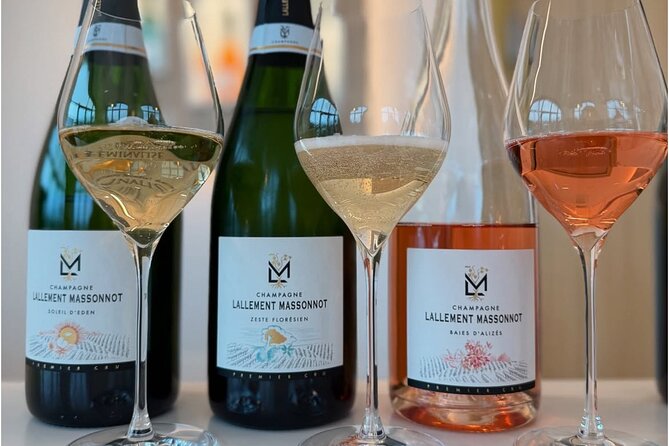
- Three Champagne tastings from four cuvées: Choose three wines from Sun D’eden, Floresian Zest, Baies d’Alizés, and Vintage 2020.
- A clear three-step tasting method: Learn the sommelier gestures for examining Champagne by sight, nose, and palate.
- A small, family-run estate: The group limit of eight allows for a more personal visit than a large cellar tour.
- A short one-hour format: It fits neatly into a day based in Reims, though it offers little time for a wider winery visit.
- A practical price point: At $30.04 per person, the fee covers three alcoholic tastings and a guided vineyard presentation, but not food.
Starting among the vines near Reims
You meet at Champagne Lallement Massonnot Winery, at 35 Rue Haute in Coulommes-la-Montagne, France. This is outside central Reims, so you need to plan your own way to the winery. The supplied details identify the meeting point clearly, but they do not include transport from Reims or explain parking, so check those points before setting out.
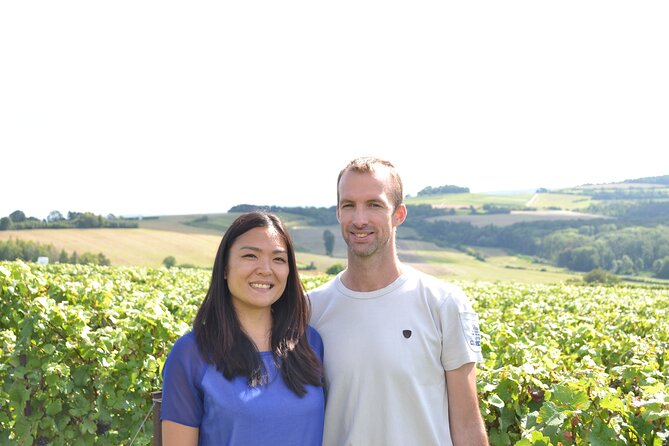
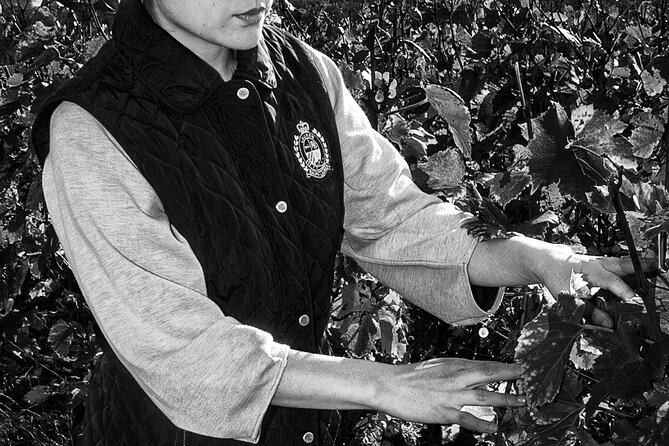
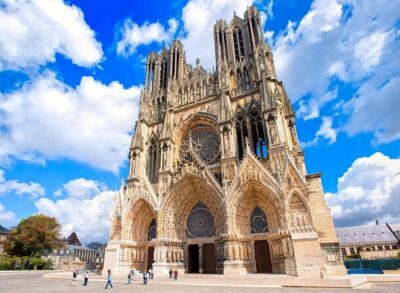
The opening takes place in the estate’s Chardonnay 1er Cru plot. That matters because you are not beginning with a generic Champagne talk in a tasting room. You are standing in the place where the story starts, looking across about ten hectares toward the Montagne de Reims and the Cathedral of Reims.
The view gives the presentation a useful sense of scale. Champagne is often sold through famous names and polished labels, but here you begin with vines, land, and a family producer. You can connect the glass in front of you with the ground beneath your feet, which is one of the strongest reasons to choose this experience over a purely commercial tasting.
The setting is also likely to be the most memorable part for many people. A glass of Champagne with the Reims Cathedral in the distance makes a pleasant pause in a day of sightseeing. Just keep expectations in check: the entire activity lasts about one hour, so the vineyard presentation is an introduction rather than a long walk through every corner of the property.
More Champagne house tours around France:
- Epernay: Jeep tour of the vineyards with tasting and visits
★ 5.0 · 70 reviews - Champagne Vineyard Experience: Delve into the terroir
★ 4.4 · 52 reviews - Gourmet walk in the heart of the vineyards with Champagne tasting near Epernay
★ 5.0 · 45 reviews
Learning how Champagne really gets made
The first part explains the different economic actors in Champagne. You learn about the relationship between growers, producers, and the wider Champagne system, along with the role of terroir and local history.
That subject is useful because Champagne can be confusing. A bottle may come from a large house, a cooperative, or a grower who farms and makes the wine. This visit focuses on the perspective of a winemaker and the assets a small estate needs to survive in a region filled with powerful names.
The family-estate angle gives the conversation a practical edge. You are not simply hearing that Champagne is special. You are hearing how a smaller producer tries to exist within that market, using vineyard holdings, wine style, and direct contact with visitors as part of its identity.
I especially like this focus for anyone who has already visited a grand Champagne house. A large producer can explain scale, branding, and production volume. A small estate can show you another side of the region, one where the connection between the family, the vineyard, and the bottle feels closer.
The presentation also introduces terroir, a word often used loosely in wine tourism. Here, it is tied to the vineyard setting and the estate’s 1er Cru identity. You may not leave with a technical lesson on soil composition or grape growing, since the experience is short, but you should gain a better sense of why place and producer matter when comparing Champagnes.
The three-step tasting: eye, nose, and mouth
The second part teaches a structured way to taste Champagne. The method follows three stages: eye, nose, and mouth. You also learn the associated sommelier gestures, which gives you a simple routine to repeat the next time you open a bottle.
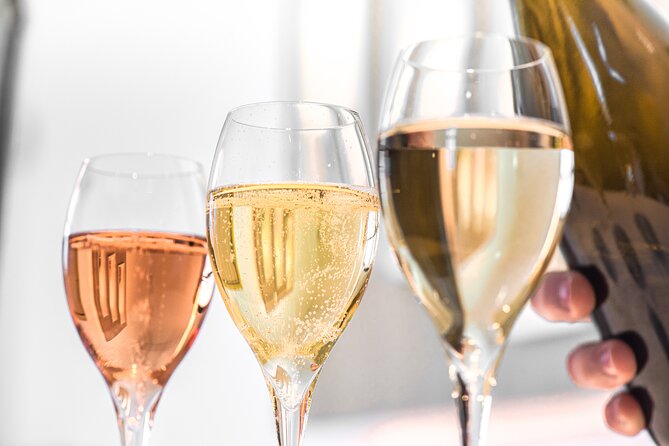
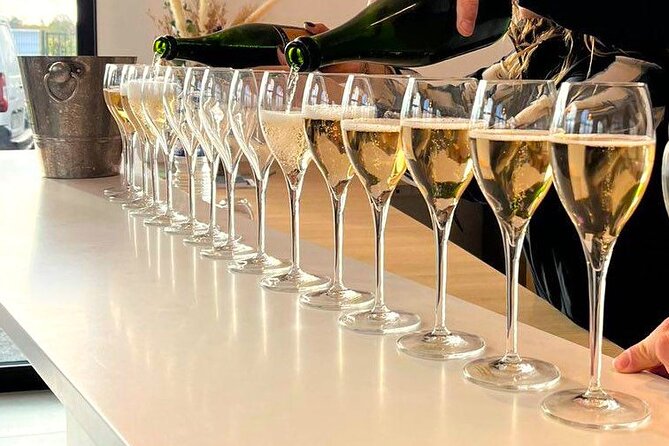
First, you look at the wine. Color, clarity, and bubbles are part of the visual impression. Then you smell it, paying attention to the aromas before taking a sip. Finally, you taste it and consider how it feels and develops on the palate.
This is not a competition. You do not need a trained nose or a large wine vocabulary. The value is in slowing down. Instead of swallowing a sip and saying you like it or do not like it, you get a basic tool for describing what you notice.
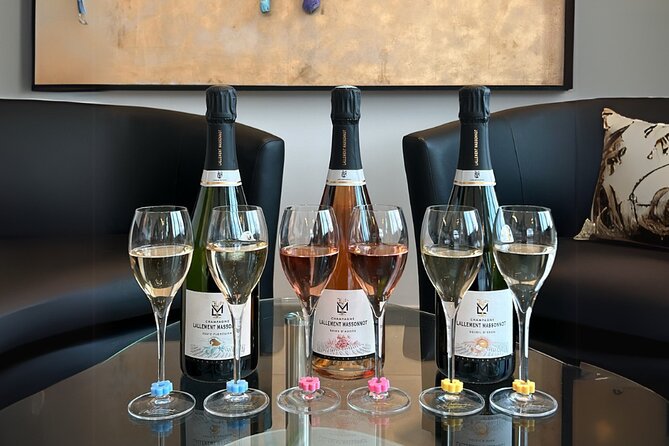
The order of the tasting is planned to protect your palate. Three cuvées are selected from a range of four, and the wines are served in a progression of styles to avoid saturation. That is a small but important detail. Three glasses of Champagne can blur together if they arrive without a plan, particularly for people who are new to tasting.
The group chooses three cuvées with a companion or as a group. The available range is:
- Sun D’eden
- Floresian Zest
- Baies d’Alizés
- Vintage 2020
The information provided does not give tasting notes for each cuvée, so I would not promise a particular flavor profile before you arrive. The useful point is the comparison itself. You can taste three wines from the estate’s range and consider how different cuvées express different styles.
Vintage 2020 may especially interest people who want to compare a vintage wine with non-vintage selections, but the experience details do not specify how it is made or served. Ask during the presentation if that distinction matters to you.
Why the small group matters
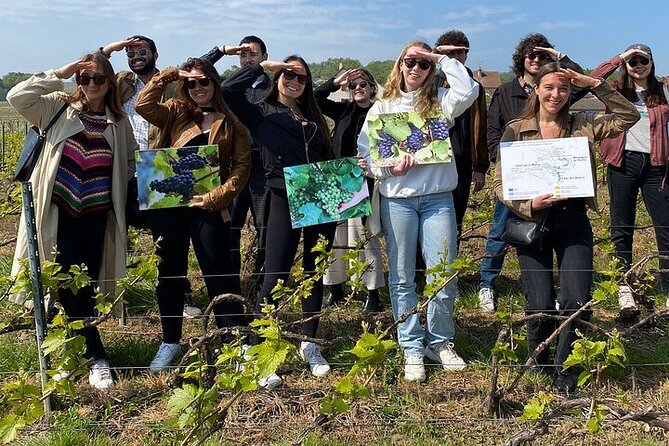
The maximum group size is eight. That is a strong feature for a tasting built around questions and guided practice. You have a better chance to hear the explanation clearly and ask about the wines without feeling lost in a crowd.
A small group also suits the personal tone of the estate. Marie LALLEMENT is associated with the warm welcome praised in the available feedback, and one account describes the tasting as tailored to the group’s needs. That suggests a more flexible conversation than a fixed speech, though the exact level of customization can vary by departure.
The family-run character is one of the experience’s biggest strengths. The visit is not only about consuming three glasses. It is also about meeting the people behind a small Champagne label and understanding the work required to make and sell wine under your own name.
That personal contact appears to be a major reason the experience earns its five-out-of-five rating from 33 ratings, with 100 percent recommending it. Those numbers do not guarantee that every group will have the same interaction, but they point to a consistent level of satisfaction.
The visit has also worked well for international audiences. English is offered, while one piece of feedback came from German-speaking visitors who praised Marie’s warmth and the family character of the estate. If English is your preferred language, confirm that your selected time is offered in English when booking.
A few more vineyard visits around France worth a look
- Saint-Émilion: Grand Cru Classé Winery Visit and Tasting
★ 4.6 · 1,118 reviews - Saint Emilion Half-Day Trip with Wine Tasting & Winery Visit from Bordeaux
★ 4.5 · 1,034 reviews - Saint-Émilion: Bordeaux Vineyard Tour and Wine Tasting
★ 4.8 · 578 reviews - Bordeaux: Vineyards Wine Tasting Half-Day Trip
★ 4.2 · 470 reviews
Three pours, no food
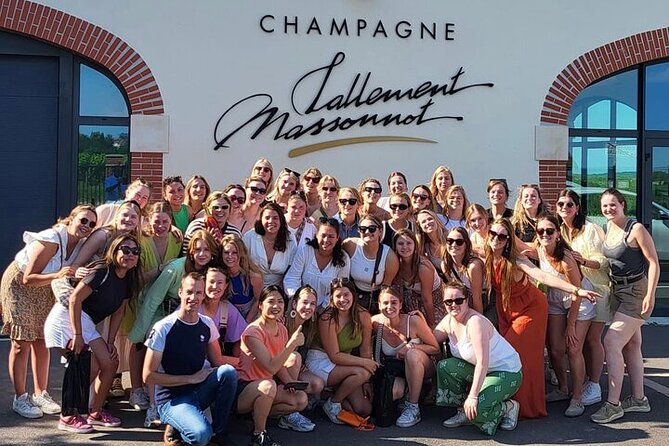
The price is $30.04 per person. For that amount, you receive the vineyard presentation, the explanation of Champagne’s producers and terroir, instruction in the three-step tasting method, and three Champagne tastings.
That is fair value if you want a focused introduction rather than a half-day wine program. You are paying for a small-group presentation and three pours in a scenic setting, not just for samples at a counter.
The lack of snacks is the main practical limitation. Champagne on an empty stomach is rarely a clever plan, so eat before you arrive. The experience includes alcoholic beverages only, and the estate does not list food as part of the price.
The tasting is available to people aged 18 and over for alcohol. Minors receive soft drinks instead. That makes the visit possible for mixed-age groups, but adults should not assume that every member of the party will receive Champagne.
There is also no indication of a meal, cheese pairing, or cellar lunch. If you want food with your wine, plan another stop before or after the visit.
What the one-hour schedule feels like
The experience begins with the vineyard and estate introduction, then moves into the tasting lesson and three selected cuvées. It ends back at the winery meeting point.
At about one hour, this is easy to fit between other activities around Reims. You can treat it as a focused morning or afternoon stop rather than building an entire day around it. The short length also helps if you want to visit more than one Champagne producer.
The tradeoff is depth. You will not have much time for an extended vineyard walk, a lengthy production tour, or a relaxed meal. The supplied details do not promise a cellar visit or a look at equipment, so do not book it expecting a large-scale behind-the-scenes production tour.
I would choose this experience for its combination of place, explanation, and tasting. I would not choose it if your priority is a full winery production tour with many hours of technical detail.
The experience is typically booked about 15 days ahead on average. That is a useful planning clue, especially if you are visiting Reims on a fixed schedule. Booking earlier may be sensible for a particular date, since the group is limited to eight.
Who will enjoy this Champagne tasting most
This works especially well for:
- First-time Champagne visitors who want a clear introduction without a long lecture.
- Wine drinkers who want to learn a repeatable tasting method.
- Couples and small groups who like choosing wines together.
- Visitors who prefer family estates to large, famous Champagne houses.
- Reims sightseers who want a short activity with a strong sense of place.
- People comparing producers who want to understand how a smaller winemaker fits into the Champagne economy.
It may be less suitable if you need a full meal, dislike alcohol-focused activities, or want a long technical tour of the production facilities. It is also not the best choice for anyone expecting transport from central Reims, since transportation is not included in the supplied details.
Dogs are allowed throughout the visit, including unassisted dogs, and service animals are allowed. That is unusually helpful for people traveling with a pet, though responsible handling remains important in any wine setting.
Planning your visit and cancellation
You receive confirmation at the time of booking, and the ticket is mobile, so you do not need a printed voucher. The activity starts and ends at Champagne Lallement Massonnot Winery, 35 Rue Haute, 51390 Coulommes-la-Montagne.
Free cancellation is available if you cancel at least 24 hours before the local start time. Cancellations made less than 24 hours ahead are not refunded, and changes inside that same window are not accepted.
Because transport details are not provided, I would confirm how you will reach Coulommes-la-Montagne before paying. Also remember that the estate serves alcoholic drinks only to those aged 18 and over. Minors receive soft drinks.
Should you book Champagne Lallement Massonnot?
Book it if you want a personal, one-hour introduction to grower Champagne, especially one held among Chardonnay vines with views toward Reims Cathedral. The small group, three-wine comparison, and eye, nose, and mouth method give the visit more substance than a quick tasting at a shop.
Skip it if you need a meal, hotel transport, or a long cellar tour. The strongest reasons to go are the family-estate setting, Marie LALLEMENT’s welcoming approach, and the chance to understand Champagne from the winemaker’s side. At $30.04, it is a sensible choice for a compact and scenic tasting, provided you arrive fed and ready to arrange your own transport.
FAQ
Where does the Champagne tasting take place?
It takes place at Champagne Lallement Massonnot Winery, 35 Rue Haute, 51390 Coulommes-la-Montagne, France.
How long does the experience last?
The experience lasts approximately one hour.
How many Champagnes are included?
Three Champagne tastings are included.
How are the three cuvées selected?
You choose three cuvées with your companion or group from four options: Sun D’eden, Floresian Zest, Baies d’Alizés, and Vintage 2020.
What will I learn during the tasting?
You learn how to taste Champagne through three stages: eye, nose, and mouth. The experience also explains terroir, Champagne’s economic actors, local history, and the role of the winemaker.
Is food included?
No. Snacks are not included.
Are minors allowed to attend?
Yes, but alcoholic beverages are served only to people aged 18 and over. Minors receive soft drinks.
What is the cancellation policy?
You can cancel for a full refund up to 24 hours before the experience’s local start time. Cancellations or changes made less than 24 hours before the start are not accepted for a refund.
Just added around France
- Vineyard of the Alpilles by bike★ 4.6 · 8 reviews
- Vosne-Romanée: Private Vineyards Walking Tour with Tasting★ 4.4 · 9 reviews
- Vineyard tour and wine tasting in Davron★ 4.5 · 7 reviews
- Private Vineyard Tour and Wine Tasting in Bandol★ 5.0 · 16 reviews
- Vineyard visit in Gyropode, visit of Cave & Tasting Wines of Bandol★ 5.0 · 19 reviews
- Bike ride on the Wine Route from Sélestat★ 5.0 · 5 reviews
- Horse riding in the vineyards of Grimaud + wine tasting★ 5.0 · 3 reviews
- 1/2 day private Vintage tour, vineyards of Saint-Tropez★ 5.0 · 6 reviews
Champagne House Tours, compared.
Champagne Vineyard Experience: Delve into the terroir
Our review →
Gourmet walk in the heart of the vineyards with Champagne tasting near Epernay
Our review →
Exclusive Champagne Cellars & Dom Perignon Vineyards tour
Our review →
Private Epernay Trip with Champagne Vineyard Tastings
Our review →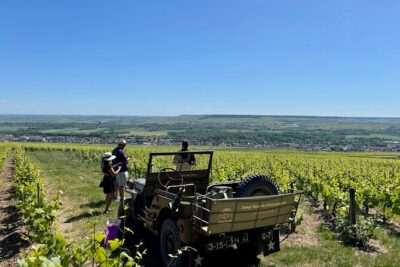
Every list this estate visit appears in