
REVIEW · USA
Temecula Wine Country Stargazing Tour
The stars take center stage here. This one-hour Temecula stargazing outing gives you a guided look at the Moon, visible planets, nebulae, star clusters, and galaxies, with both a standard visual telescope and a smart telescope for electronic images. I especially like the small group limit of six, which should make hands-on viewing easier, and the chance to try astro photography without buying or learning a telescope first. The main drawback is the short running time, since a cloudy evening or a crowded viewing sequence could make the hour feel brief.
I also like the way the tour moves from nearby objects to distant ones. Starting with the Moon gives you an easy point of reference before the guide takes you farther into the solar system and then out toward deep-sky objects. Timing changes with the season, and you will need to arrange your own transportation to the Rancho California Road meeting point.
Key points before you book
- The tour begins about one hour after sunset: Expect a start near 6:30 p.m. in winter, 7:30 p.m. in spring and fall, and 8:30 p.m. in summer.
- You use two kinds of telescopes: A visual telescope shows the sky directly, while a smart telescope demonstrates how detailed electronic images are made.
- The Moon usually comes first: Its changing phase affects the evening, so the exact viewing order and objects will vary during the year.
- The group is capped at six people: That is a useful size for shared equipment and questions.
- The guide is a major part of the experience: Mike is praised for patience, clear explanations, and making special arrangements to help the group stargaze.
- The price is $75 per person: For an hour with equipment, camp chairs, and personal instruction, the cost is reasonable if you want more than a casual look at the sky.
Why Temecula works after dark
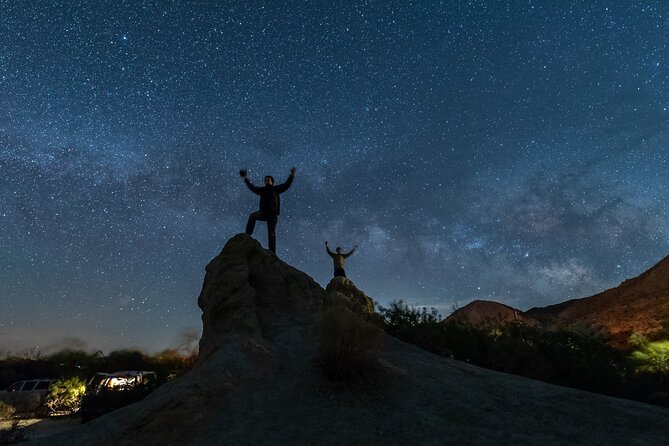
Temecula is best known for its vineyards, tasting rooms, and sunny days. This experience gives you a different reason to stay out after sunset. Instead of treating the evening as a gap between dinner and bed, you get a focused look at the sky with equipment that most people do not carry in their cars.
The appeal is not simply seeing bright stars. A guide can help you understand what you are looking at and show how the Moon, planets, star clusters, nebulae, and galaxies differ. That matters because a telescope image can otherwise look like a small, mysterious blur. With some explanation, the view becomes part of a larger story.
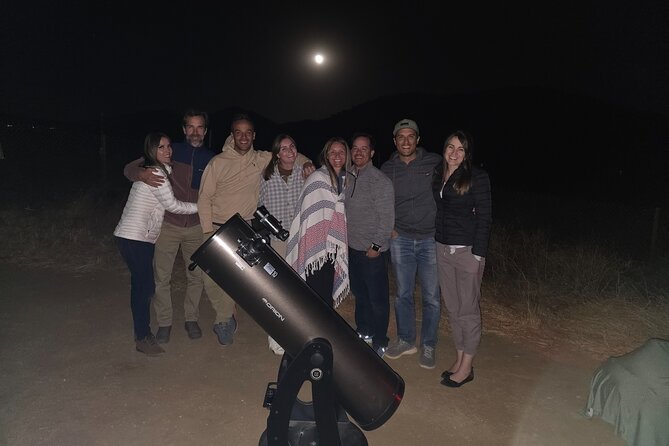
I also like the scale of this outing. A maximum of six people is small enough that the equipment should not feel like a distant demonstration. The description specifically includes hands-on time with the Moon through both telescope systems, so you are not only watching the guide operate everything.
Still, keep your expectations sensible. This is about one hour, not a full evening under the stars. The exact objects depend on the season and lunar cycle, and poor weather can cancel the activity. If you want a long, relaxed night with several hours of observation, this may feel too compact.
More Wine Country Day Trips in the USA
- Napa and Sonoma Wine Country Full-Day Tour from San Francisco
★ 4.5 · 4,455 reviews - San Francisco Super Saver: Muir Woods & Wine Country w/ optional Gourmet Lunch
★ 4.5 · 3,352 reviews - Small-Group Wine Country Tour from San Francisco with Tastings
★ 5.0 · 1,543 reviews
The changing start time matters
The tour normally starts about an hour after sunset. That is a practical choice because the sky needs time to darken, and the best objects change with the season.
Approximate start times are:
- Winter: 6:30 p.m.
- Spring: 7:30 p.m.
- Summer: 8:30 p.m.
- Fall: 7:30 p.m.
These are rough times, not a promise of an identical schedule every week. Check your confirmation carefully, especially if you are arranging dinner, a winery visit, or a ride back to your lodging.
The later summer start may be the biggest planning point. A family with young children may prefer the winter schedule, while adults combining the outing with an evening in wine country may find the summer time easy to fit around dinner. Since no private transportation is provided, you need to plan your own way to Rancho California Road and back.
Starting close to home with the Moon
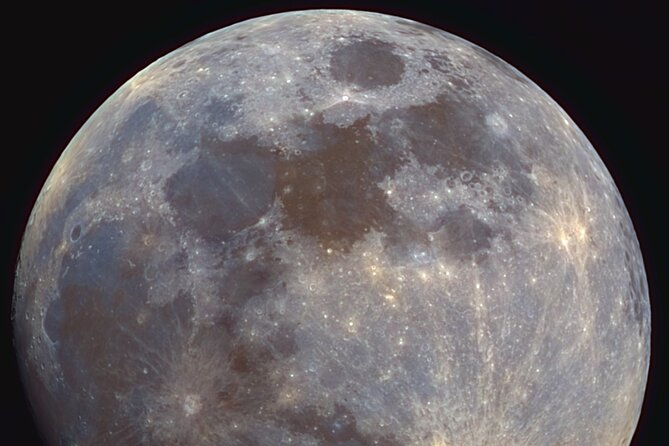
The usual sequence begins with Earth’s closest celestial neighbor, the Moon. That is a smart opening because the Moon is familiar to everyone, but a telescope reveals far more detail than you see with the naked eye.
The lunar view also changes with the lunar cycle. A fuller Moon can be bright and easy to recognize, while other phases can show stronger shadows and texture along the line between light and dark. The evening will not look identical from one date to the next, and that is part of the appeal.
You should get visual telescope time first, then a look through the smart telescope. The first gives you the direct experience of looking through an optical instrument. The second adds an electronic view and helps show how advanced telescopes produce detailed images.
This hands-on element is one of the strongest reasons to choose this tour instead of simply downloading a stargazing app. You get to look, ask questions, and compare what your eye sees with what the electronic system can present.
Moving through the solar system
After the Moon, the guide turns to planets that are available on the night of your visit. That wording is important. You should not book expecting a particular planet unless the operator confirms it for your date, since planetary visibility changes with the time of year and the hour.
When a planet is available, seeing it through a telescope can be a good lesson in scale. You may recognize it as a bright point in the sky, then see that it has a disk or other visible features through the equipment. The guide can also place the object in context, showing how the evening moves from a nearby world to much more distant targets.
The sequence gives the hour a clear rhythm. You begin with something close and recognizable, move outward through the solar system, and then continue toward objects far beyond it. That progression keeps the experience from feeling like a random list of bright points.
The limitation is that the planetary portion cannot be guaranteed in a fixed form. If a particular world is your main goal, this tour may require flexible expectations.
More wine country day trips around the USA:
- San Francisco: Half-Day Wine Country Excursion with Tastings
★ 4.3 · 409 reviews - Painted Ladies Wine Country Tour
★ 5.0 · 372 reviews - Sonoma Wine Country Electric Trike Tour – 3 hours
★ 5.0 · 331 reviews - North Georgia Wine Country Tour from Atlanta
★ 5.0 · 260 reviews
The far reaches: nebulae, clusters, and galaxies
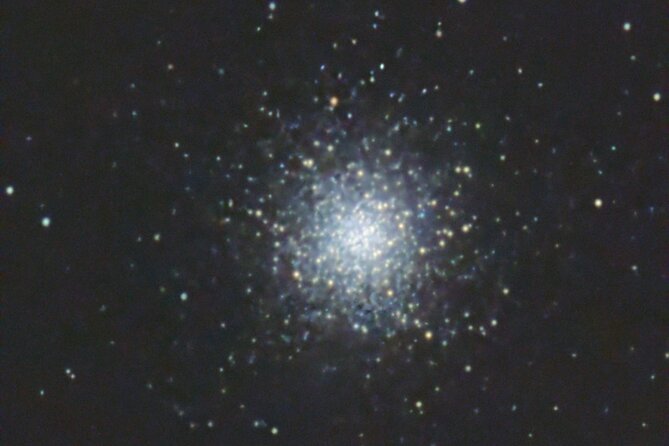
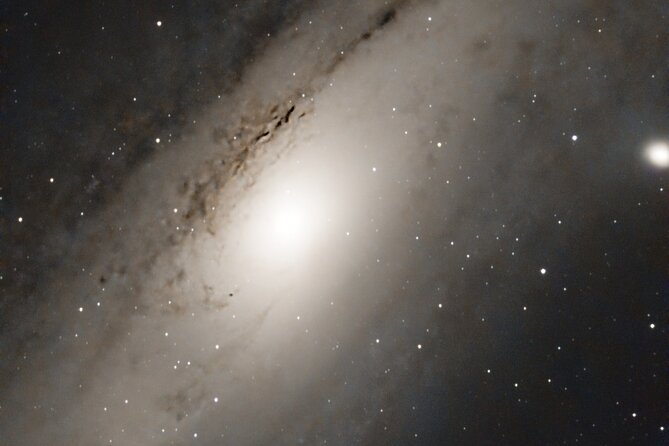
The final stage turns to deep-sky objects. That can include nebulae, star clusters, and galaxies, depending on what is visible during the tour.
These objects are especially useful for showing the range of astronomy. A star cluster can appear as a concentrated group of stars, while a nebula may have a softer, cloudlike appearance. A galaxy gives you a sense of distance and scale that a nearby Moon or planet cannot provide.
Do not expect every category on every evening. The available targets change across the year, and the Moon can affect how dark the sky appears. The guide will choose what makes sense for the date and conditions.
This is also where the smart telescope has real value. The electronic system can demonstrate how modern instruments collect and display images that are much more detailed than a quick naked-eye glance. You may not leave with a full set of professional photographs, but you will see how astro photography works at a basic level.
A useful introduction to astro photography
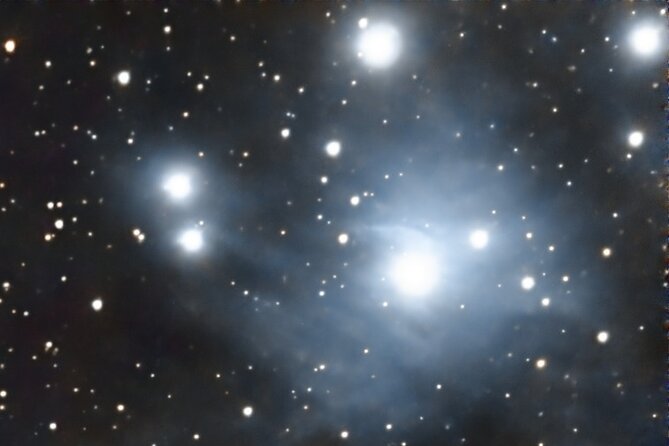
The smart telescope is not just a second viewing tool. It is used to introduce astro photography and show how world-class telescopes obtain striking images.
That makes the experience useful for two types of people. If you are new to astronomy, you get a simple explanation of why some objects appear faint to the eye but clear in an electronic image. If you already enjoy taking photographs, you get a first look at the equipment and process behind astronomical images.
I appreciate that the tour does not present the telescope as magic. The electronic view helps connect the experience to the technology. You can compare the direct visual image with the processed result and see why cameras, sensors, and careful setup matter.
The provided details do not promise personal photographs or a take-home image, so do not assume that you will leave with an album from the night. The confirmed benefit is the introduction and demonstration.
Mike’s patient approach
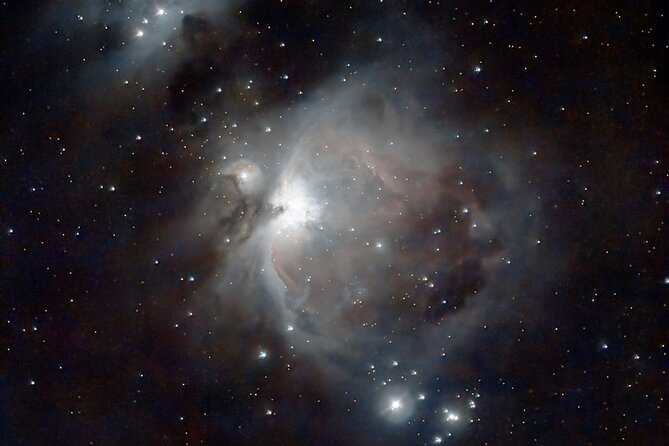
The guide can make or break a short astronomy outing. Mike receives especially strong praise for patience, clear teaching, and making an effort to accommodate the group so the stargazing could happen.
That matters because astronomy invites questions. You may want to know what you are looking at, why one object is visible tonight, or how the smart telescope produces its image. A patient guide gives the evening a relaxed feel rather than rushing everyone from one target to the next.
The feedback also points to an important strength: Mike is willing to work with the situation. That does not remove the need for suitable weather, but it suggests a host who pays attention to the people in front of him instead of delivering a rigid script.
The group size supports that personal style. With no more than six people, you have a better chance to get a turn at the equipment and ask a question without competing with a large crowd.
What the $75 price buys you
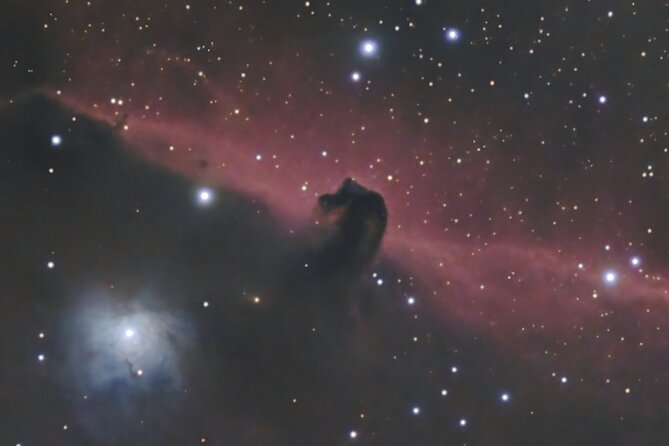
At $75 per person, this is not a cheap after-dinner add-on. It is also not an unreasonable price for a small, equipment-based activity led by a dedicated guide.
The fee includes a visual telescope, a smart telescope, and camp chairs. The chairs are a small but welcome detail, since standing in the dark while waiting for a turn can become tiring. The two telescope systems give you more than a simple guided look at the sky.
The strongest value comes from the instruction and access. If you already own astronomy equipment and know how to use it, you may find the price less compelling. If you are curious but do not want to buy a telescope, learn complicated setup procedures, or search for objects alone, the cost is easier to justify.
The one-hour length keeps the total commitment low, but it also limits how many objects you can see. I would view the price as fair for a focused introduction, not as payment for a long observatory-style program.
Practical details for your evening
The meeting point is on Rancho California Road in Temecula, and the activity ends back there. Private transportation is not included, so you are responsible for reaching the meeting point and leaving afterward.
Some walking over uneven terrain is required. Most people can participate, and service animals are allowed, but you should choose footwear and clothing with outdoor conditions in mind. The supplied details do not state that transportation, food, drinks, or extra equipment are provided.
You receive confirmation when you book. The experience is offered in English and uses a mobile ticket, which keeps the check-in process simple.
Weather is a real factor. If poor conditions make the activity impossible, you are offered another date or a full refund. The experience also requires a minimum number of participants. If that minimum is not reached, you can choose another date or experience, or receive a full refund.
Free cancellation is available until 24 hours before the start time. Inside that window, changes are not accepted and the amount paid is not refunded. Since the start time changes by season, use the local start time shown for your booking when calculating the deadline.
Who will enjoy this most
I would recommend this for first-time stargazers, couples seeking a quiet evening activity, families with older children, and anyone curious about astro photography. The small group and hands-on format should suit people who want to ask questions instead of standing at the back of a large presentation.
It is also a good choice for visitors already spending time in Temecula wine country who want an activity with a different mood. The seasonal start times give you room to plan around the rest of your day, though summer’s later start may not suit everyone.
You may want to skip it if you need guaranteed views of one specific planet, dislike outdoor walking, or want a long evening with many hours of observation. Cloud cover and the lunar cycle affect what you see, and the hour passes quickly.
Should you book the Temecula stargazing tour?
Book it if you want a friendly, small-group introduction to astronomy with real equipment and a guide who takes questions seriously. The Moon, possible planets, deep-sky objects, and smart telescope demonstration give the hour a useful structure, while the six-person limit adds personal attention.
I would treat it as a focused night-sky experience rather than a full observatory visit. Arrive with flexible expectations, confirm the seasonal start time, arrange your own transportation, and check the forecast. If those conditions work for you, $75 buys a thoughtful way to see Temecula after dark.
FAQ
Where does the Temecula stargazing tour meet?
The meeting point is on Rancho California Road in Temecula, California. The activity ends back at the same meeting point.
How long does the stargazing tour last?
The tour lasts approximately one hour.
What time does the tour begin?
It normally begins about one hour after sunset. Approximate start times are 6:30 p.m. in winter, 7:30 p.m. in spring, 8:30 p.m. in summer, and 7:30 p.m. in fall.
What equipment is included?
The experience includes a visual telescope, a smart telescope, and camp chairs.
How many people can join the tour?
The group has a maximum of six people.
Is transportation provided?
No. Private transportation is not included, so you must arrange your own transportation to and from the meeting point.
What happens if the weather is poor?
If poor weather causes a cancellation, you are offered a different date or a full refund. A different date or experience, or a full refund, is also offered if the minimum number of participants is not reached.
Just added around the USA
- Yolo: Vineyards, Farms & Cultural Gems – Audio Driving Tour★ 4.3 · 5 reviews
- Woodinville Wine Country: Downtown Wine Tasting Pass★ 4.4 · 2 reviews
- Washington, DC: Virginia Wine Region Experience Tour★ 5.0 · 4 reviews
- Sedona: Visit 4 Award Winning Vineyards in the Verde Valley★ 4.7 · 18 reviews
- Small-Group Vineyard and Orchard Tour with Wine Tasting in Muscoda★ 5.0 · 2 reviews
- A Wine Tasting Experience in the Vineyards of the Desert★ 5.0 · 29 reviews
- Half-Day Arizona Wine Country Tasting Tour★ 5.0 · 5 reviews
- Private Day Trip to Missouri Wine Country★ 5.0 · 3 reviews
Wine Country Day Trips, compared.
Napa and Sonoma Wine Country Full-Day Tour from San Francisco
Our review →
San Francisco Super Saver: Muir Woods & Wine Country w/ optional Gourmet Lunch
Our review →
Day Trip to Kakheti Wine Region Including 9 Wine Tastings
Our review →
Kakheti Wine Region: Signagi and Bodbe Tour with 10 Wine Tastings
Our review →Every list this estate visit appears in