
REVIEW · SPAIN
Manilva: Nilva Vineyard, Wine Tasting & Tapas Guided Tour
Save the old vines, one glass at a time. This two-hour Manilva experience links a small wine museum, an artisan winery, and an organic vineyard above the Mediterranean. I like the clear local purpose behind it: your $35 helps support old Moscatel de Alejandría vineyards threatened by development, while the setting gives you sea views toward Africa and the chance to taste wine where it is grown.
I also like the warm, personal guiding, especially from Maggie, who brings humor and practical knowledge to the tour. The wine and tapas are another strong point. The main thing to plan around is transport: the vineyard is about 1 kilometer from CIVIMA, and walking can take roughly 15 to 20 minutes, so you need your own vehicle or comfortable shoes. Bad weather can also move the tasting indoors.
Key points to know before you book
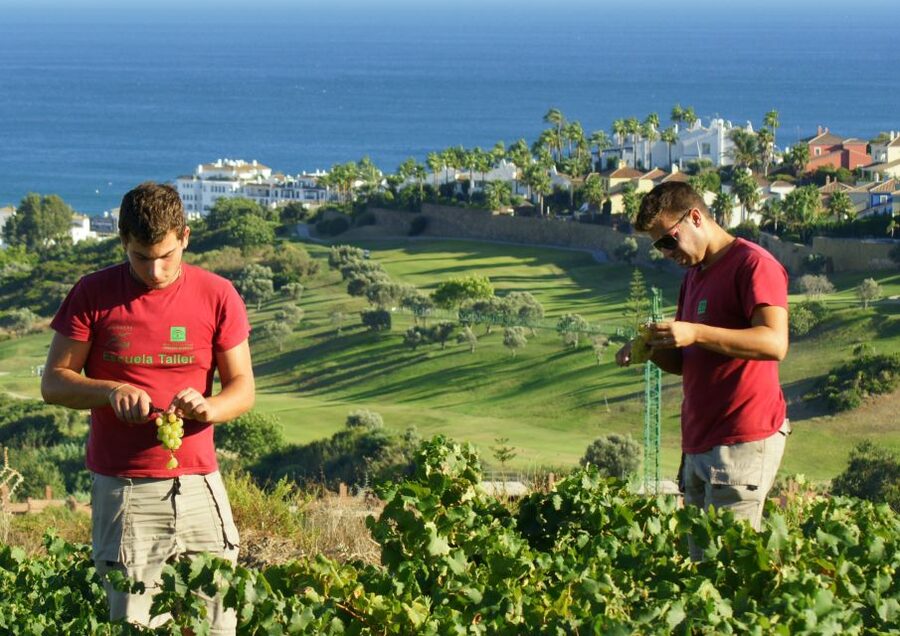
- Old Moscatel vines by the sea: See one of Manilva’s traditional grape varieties and learn why these coastal vineyards are under pressure.
- Three-part visit: The experience moves from CIVIMA’s wine museum to the Nilva winery, then to the Viña del Peñoncillo vineyard.
- Maggie’s friendly guiding: Her humor, clear English, and practical knowledge are a major part of the experience.
- Wine with a view: Taste Nilva wines with ham, cheese, walnuts, and other tapas overlooking the Mediterranean.
- Bring transport or walking shoes: The vineyard is not at the museum, and hotel pickup is not included.
- Strong value at $35: You receive museum, winery, vineyard, wine, and food in about two hours.
Why this small Manilva tour feels different
Manilva sits on the Costa del Sol, but this is not a polished resort activity built around a large commercial winery. The focus is a small local producer and a farming tradition that is becoming harder to maintain.
The old vineyards use Moscatel de Alejandría, a grape associated with Manilva’s wine culture. These vines face pressure from urban development and low returns for farmers. Nilva’s project, called Save the Vineyards of Manilva, uses wine production and wine tourism to keep the land in use and make the work more worthwhile.
That gives the visit a useful sense of place. You are not only tasting a local product. You are seeing the land, the work, and the problem behind it.
The project has also received the International Skal award for sustainable tourism. That award is not the reason to book, but it helps explain why the tour spends time on conservation and farming rather than rushing straight to the wine glasses.
At $35 per person, I think the value is very good. You get entry to CIVIMA, a guided winery visit, access to the vineyard, several wines, and tapas. The visit is short, so it will not replace a full winery day, but it gives you a lot for the price.
More wine and tapas tours around Spain:
- Malaga Organic Vineyard and Winery Six Wines Tapas and Transfer
★ 5.0 · 356 reviews - Malaga: Organic Vineyard Tour with 6 Wines, Tapas & Transfer
★ 4.8 · 334 reviews - High-End Vineyard Escape: Cava, Tapas & Wine | Private Tour
★ 5.0 · 238 reviews
Starting at CIVIMA, Manilva’s wine museum
The meeting point is the CIVIMA building, between the fire station and Plaza de la Vendimia. This detail matters because the venue is in Manilva itself, not at the vineyard. Give yourself enough time to find the building before the scheduled start.
The museum visit lasts about 30 minutes. Its three rooms cover viticulture, oenology, and the grape harvest. In plain terms, you learn about growing the vines, making the wine, and gathering the grapes.
This is a good opening because it puts the later tasting into context. You see why the local grape matters, how the climate shapes the work, and how older methods connect with present-day production. The museum also helps you understand that Manilva’s wine tradition is tied to ordinary farming families and seasonal work, not only bottles and tasting notes.
The tour is conducted in English. Maggie has been praised for making the museum section lively, funny, and easy to follow. One useful warning is that she can speak quickly at times, though the English is generally clear. If you want to ask about a grape, a local word, or a production method, this is the right place to do it.
The museum will suit you if you enjoy local culture and the story behind a product. If you only want to drink wine in a pretty setting, this half hour may feel more educational than necessary. I think it earns its place because the vineyard makes more sense after you have seen the background.
Inside Nilva’s small artisan winery
From CIVIMA, the tour continues to the Nilva winery for about 15 minutes. This is a small artisan operation, sometimes described as a garage winery. That phrase tells you what to expect: a modest working space rather than a grand cellar with rows of polished oak barrels.
You learn how Nilva wines are produced, including fermentation and bottling. The small scale is part of the appeal. You can focus on the practical steps and on the decisions a local producer makes when working with limited quantities.
This section also links tradition with new ideas. Manilva has older winemaking customs, but Nilva is trying to keep them useful in the present. The owners are working toward a future that includes new wines, including a red wine project mentioned during past visits.
The winery stop is brief. Fifteen minutes is enough for an introduction, but not enough for a technical course in wine production. That is a fair trade for a two-hour tour, especially since the best part of the tasting happens outside at the vineyard.
You may also have the chance to meet the owner and his wife, depending on the day. That personal contact is not something to count on as a guaranteed part of every departure, but it fits the friendly, hands-on nature of the business.
Walking or driving to Viña del Peñoncillo
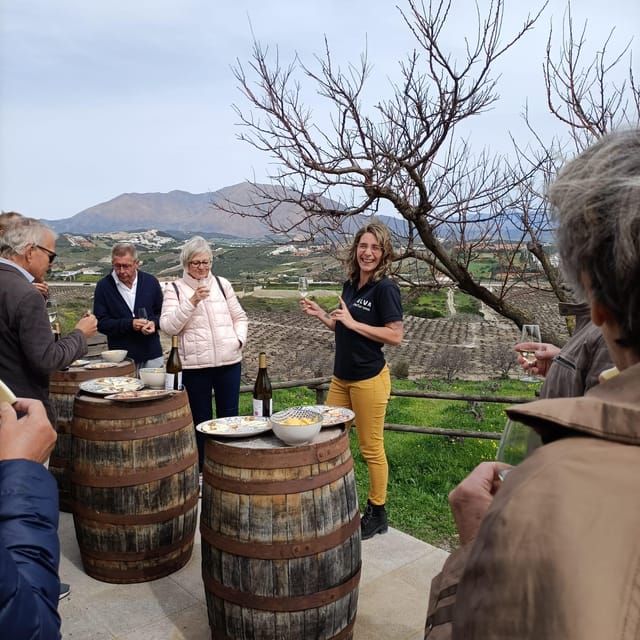
After CIVIMA and the winery, you go to Viña del Peñoncillo, about 1 kilometer away. The vineyard is certified for organic agriculture and has the setting that makes this experience memorable.
You need to arrange your own transport. Hotel pickup and drop-off are not included. The information gives the walk as about 10 minutes, while several visitors describe it as closer to 15 or 20 minutes. I would plan for the longer estimate, especially if you want to stop for photographs or if the weather is warm.
Some people drive between the stops. Others walk, and the route can be a pleasant way to see more of Manilva. One practical point: the vineyard may feel farther than expected, so do not assume it is only a quick step from the museum. If you are not comfortable walking that distance, organize a car before the tour begins.
The walk is also worth considering if you enjoy a little movement between tasting stops. You might find the route more rewarding than being driven straight to the glasses, but the tour does not provide transport, so the choice is yours.
More guided visits around Spain:
- From Madrid: Toledo Guided Tour & Winery Visit with Tasting
★ 4.8 · 313 reviews - Alcúdia/Can Picafort: Guided Vineyard Visit and Wine Tasting
★ 4.5 · 88 reviews - Penedès/BCN: Self-Guided eBike Tour with guided Winery Visit
★ 5.0 · 19 reviews - From Alicante and Elche: Guided tour for vineyard and winery with tasting
★ 4.6 · 5 reviews
Wine, tapas, and views toward Africa
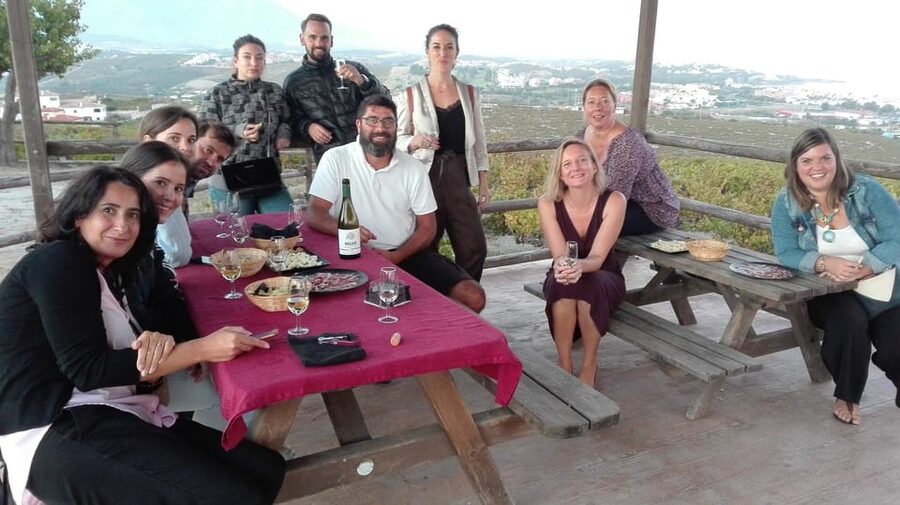
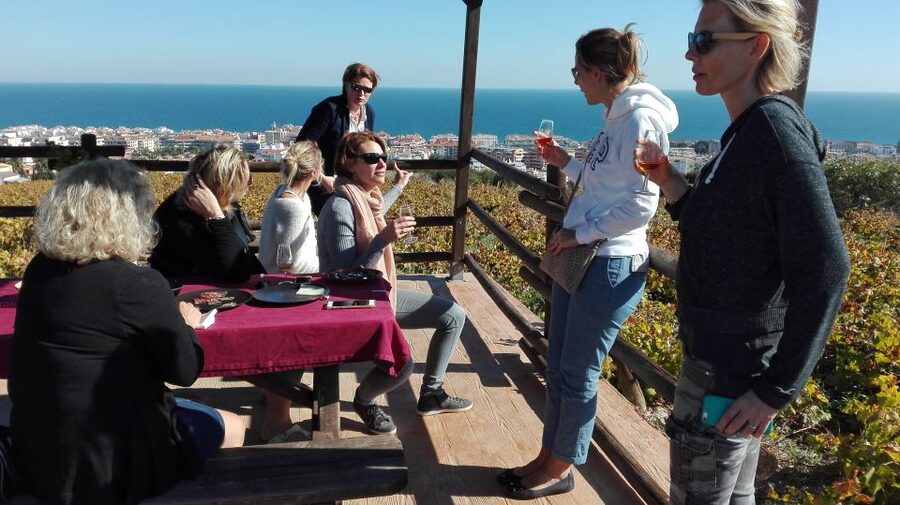
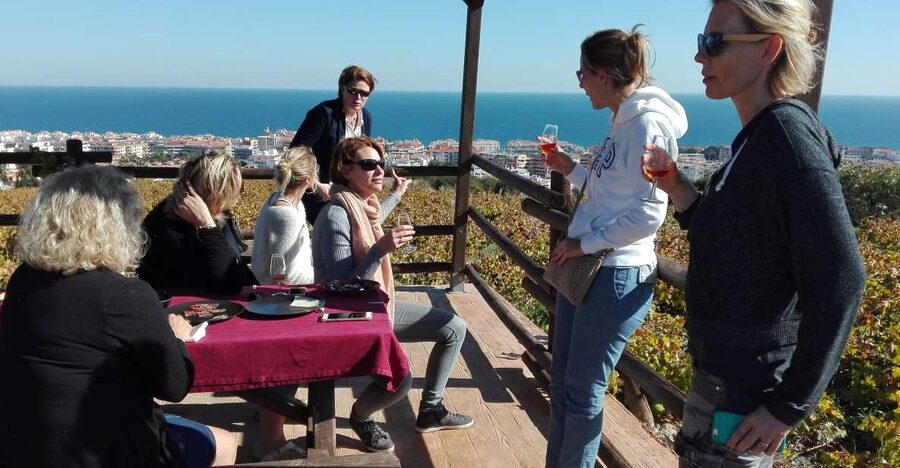
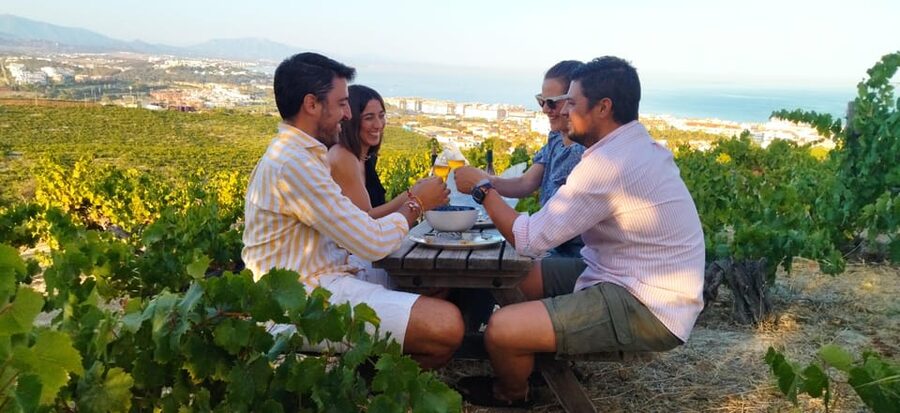
The final stop is the heart of the visit. At the vineyard, you taste Nilva wines with tapas while looking across the Mediterranean. On a clear day, you may see toward Africa, along with the surrounding mountains and coast.
The official description lists three wines. Several recent experiences describe four wines, so the number may vary with the current format or the day’s selection. Either way, this is more than a token sip. The tasting is explained rather than simply poured, giving you a basic guide to noticing differences between the wines and pairing them with food.
The food includes ham and cheese, with walnuts and crisps also mentioned during past visits. It is not a full lunch or dinner, but it is enough to make the tasting more comfortable and satisfying. You get the familiar Spanish pairing of savory food with wine, served in a much better setting than a standard indoor bar.
This is where the tour becomes relaxed. The museum gives you facts, the winery shows you production, and the vineyard gives you time to enjoy the result. The sea view is not a side detail. It is one of the main reasons to choose this experience over a tasting room in town.
The setting also changes with the weather. The tour is promoted with sunset and sea views, but the vineyard visit depends on suitable conditions. In poor weather, the outdoor portion may not happen. That happened on one past visit, but the museum and wine education still made the experience worthwhile.
What the guide adds to the experience
Maggie is repeatedly praised for warmth, humor, and clear explanations. She also works with the vineyard, so her comments are not only general wine facts. She can explain the work involved in caring for the vines and the effort needed to maintain this old farming tradition.
That personal connection matters. You get a better sense of what the vineyard requires when the guide can talk about pruning, seasonal work, and conservation from direct experience. One visitor even had the chance to prune the vines, though you should treat that as a possible extra rather than a promised activity.
The guiding style sounds lively rather than formal. Maggie may speak quickly, but her enthusiasm helps keep the museum and production sections from feeling dry. The tour is also welcoming to people who do not know much about wine. You do not need to arrive with a vocabulary of grape varieties and tasting terms.
If you are a serious wine collector looking for rare bottles, a long cellar visit, or technical analysis, this may feel too simple. If you want an easy introduction to local wine and the chance to ask questions, it fits well.
Timing, comfort, and practical planning
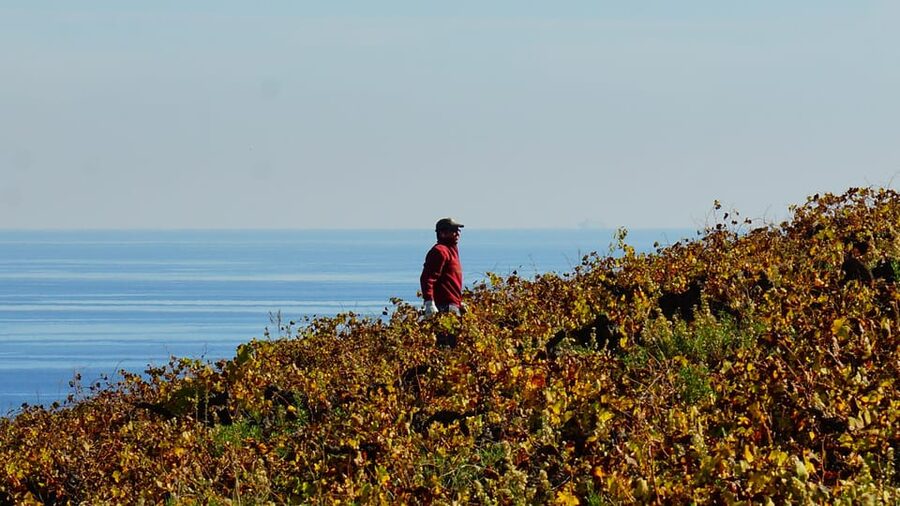
The complete experience lasts about two hours. That is long enough for the museum, winery, transfer, and tasting without taking over your whole day in Andalusia.
Plan your schedule around the fact that the final stop is outdoors. Comfortable shoes are sensible if you are walking. A hat, water, and sun protection may also help in warm weather, though these are general comfort suggestions rather than included tour items.
The vineyard visit is subject to good weather. If the forecast looks poor, you should be prepared for a changed experience. The indoor portions still offer local history and wine production, but the sea view and open-air tasting are the signature elements.
The activity is wheelchair accessible, but the separate vineyard location and the need for your own transport are still worth checking when you book. Animals are not allowed inside the winery.
The experience is offered in English. There is no hotel transfer, so you should make your own way to CIVIMA and between the museum and vineyard. The meeting point is not the same as the final vineyard location.
Who will enjoy this most
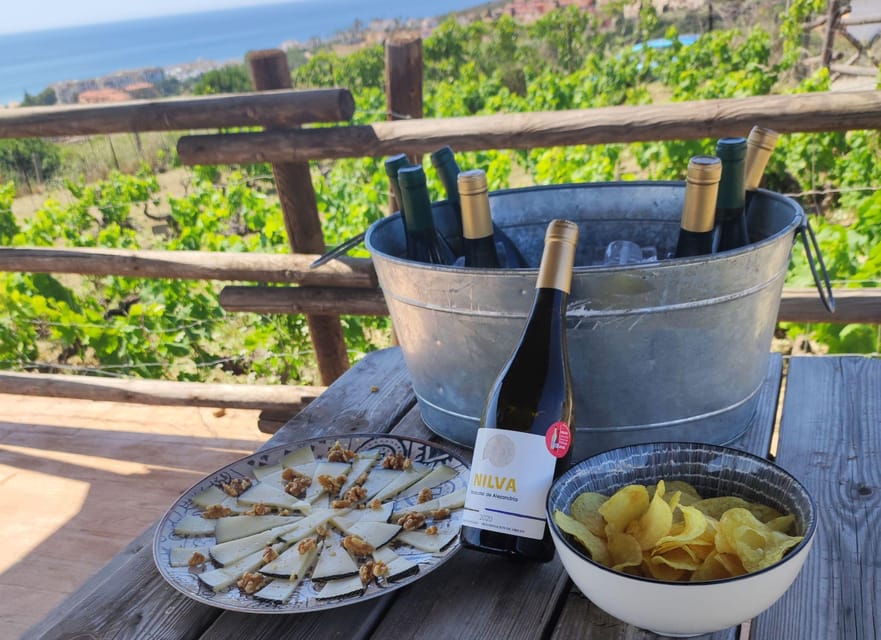
I would recommend this tour to you if you want a small-scale food and wine experience with a clear local purpose. It works especially well for couples, friends, and visitors staying around Manilva, Sabinillas, Duquesa, or nearby parts of the Costa del Sol.
It is also a good birthday activity or gentle evening outing. The tasting feels social, and the view gives it a special finish without making the experience formal or expensive.
You do not need to be a wine expert. In fact, the tour may be more useful if you are curious but inexperienced. The guide explains the basics, and the tapas make the tasting approachable.
You may want to choose another activity if you expect a large estate, a long cellar tour, a full meal, or included transport. You should also think twice if a walk of up to 20 minutes is difficult or if your schedule cannot handle a weather-related change.
Is the $35 price worth it?
Yes, I think it is good value, especially when you care about the setting and the local story. A typical coastal wine tasting can give you a few pours indoors. Here, your fee also supports a small producer trying to preserve old vineyards threatened by development.
The price includes CIVIMA entry, the Nilva winery and vineyard visits, wine, and tapas. The amount of food is snack-sized rather than a meal, but the combination is enough for a two-hour activity.
The strongest value comes from the variety. You are not spending two hours on tasting alone. You move through a museum, a working winery, and an organic vineyard, and each stop explains a different part of Manilva’s wine culture.
Should you book the Nilva vineyard tour?
I would book it if you want local wine, a personal guide, and a memorable coastal setting for a reasonable price. The repeated praise for Maggie, the relaxed tasting, and the view toward the Mediterranean make this one of the more appealing small-scale activities around Manilva.
Before booking, confirm how you will get from CIVIMA to the vineyard and check the weather. If you can handle that small bit of planning, the experience offers a friendly look at a wine tradition that needs support. You leave with a better sense of Manilva, a few glasses of Nilva wine, and a practical reason to care about the vines still growing above the sea.
FAQ
Where does the Manilva wine tour begin?
It begins at the CIVIMA building in Manilva, located between the fire station and Plaza de la Vendimia.
How long does the experience last?
The tour lasts about two hours.
What places do you visit?
You visit CIVIMA, the Nilva winery, and the Viña del Peñoncillo vineyard.
How far is the vineyard from CIVIMA?
The vineyard is about 1 kilometer from CIVIMA. Walking may take roughly 10 to 20 minutes, depending on your pace and stops.
Is transport included?
No. You need your own vehicle or must walk between CIVIMA and the vineyard. Hotel pickup and drop-off are not included.
How many wines are included?
The experience is described as including three wines, while several recent accounts describe four wines. The exact number may vary, so confirm the current tasting when booking.
What food is served with the wine?
The tapas include ham and cheese. Walnuts and crisps have also been included during past tastings.
Is the tour available in English?
Yes. The tour has a live English-speaking guide.
Can the vineyard visit be canceled because of weather?
Yes. The vineyard visit depends on suitable weather conditions.
Just added around Spain
- Xalo: Vineyard Tour with Wine Tasting and Snacks★ 4.9 · 8 reviews
- Winery Visit and Tasting in Elche with wines and tapas from Alicante in Van★ 5.0 · 9 reviews
- Valencia: Vineyard Tour, Local Wine, Cava Tasting & Snacks★ 5.0 · 8 reviews
- Valencia: Premium Wine Tasting & 3-Course Gastronomic Lunch★ 4.8 · 2 reviews
- Requena Somm. Private Vineyards/ Premium Wine tasting 1/2 Day★ 5.0 · 5 reviews
- Visit to Arafo Mountain Vineyard and Organic Wine Tasting★ 5.0 · 23 reviews
- TXAKOLI vineyards HIKE, ZUMAIA and GETARIA – Private Outdoor & Gastronomic Tour★ 5.0 · 2 reviews
- Alcudia Winecellar Tour with Vineyard Visit, Tasting of 5 Wines★ 4.0 · 3 reviews
Wine and Tapas Tours, compared.

Malaga Organic Vineyard and Winery Six Wines Tapas and Transfer
Our review →
Organic Vineyard Tour with 6 Wines, Tapas & Transfer
Our review →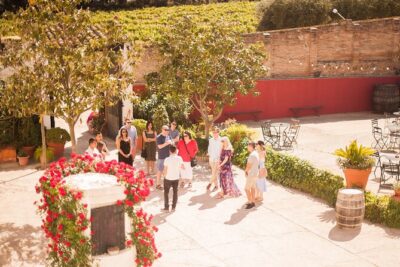
High-End Vineyard Escape: Cava, Tapas & Wine | Private Tour
Our review →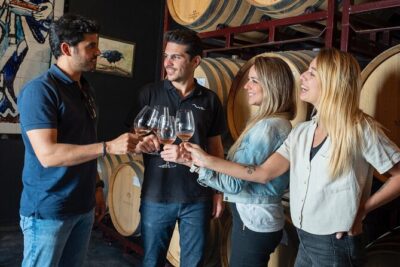
Spanish Villages & Winery Visit with Wine Tasting and Tapas Lunch
Our review →
Toledo Full Day with Winery Visit, Tapas and Wine Tasting
Our review →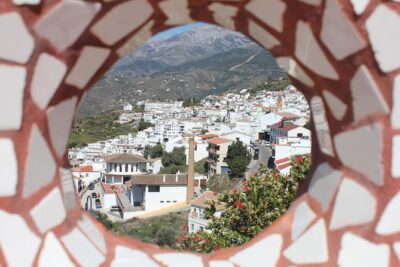
Sun and Wine Route – Small group, wine tasting and tapas included
Our review →
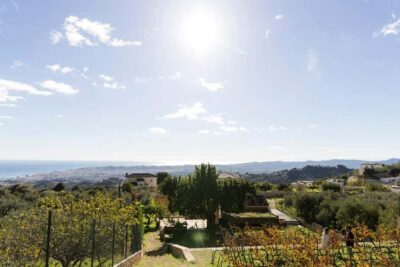
Near Malaga: Mijas Organic Vineyard, 5 Wines, 2 Oils & Tapas
Our review →Every list this estate visit appears in