REVIEW · FRANCE
Alsace Wine Route Wineries & Tasting Small Group Guided Tour from Strasbourg
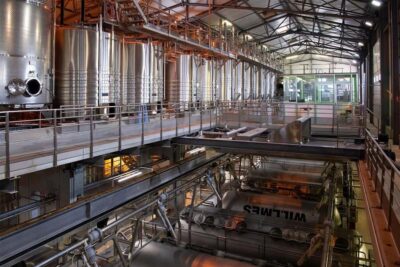
Alsace tastes best beyond Strasbourg. This full-day outing pairs three winery visits with pretty villages, rolling vineyards, and a guide who explains what is in your glass and why it matters. I especially like the small group of no more than eight and the chance to taste several Alsatian white wines, from Riesling and Sylvaner to Gewürztraminer and Pinot Blanc.
I also like that the day includes both polished estates and small family producers, giving you a broader sense of local winemaking. Guides such as Pauline, Laurence, Jerome, Amelie, Florence, and Maxim have earned strong praise for their wine and regional knowledge. The main caution is that the exact villages and wineries can change, and Riquewihr may be missed during busy Christmas-market periods.
Key points to know before booking
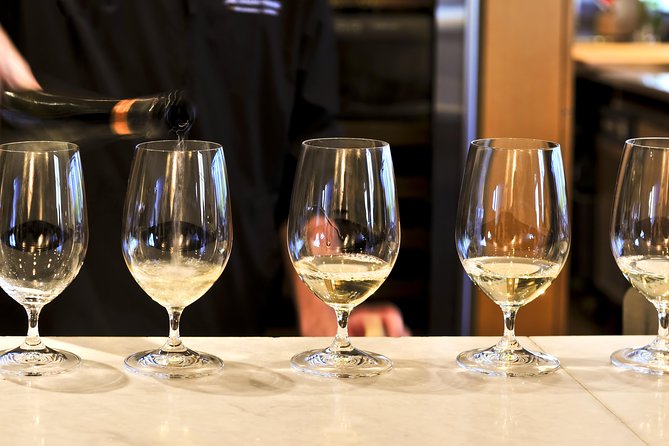
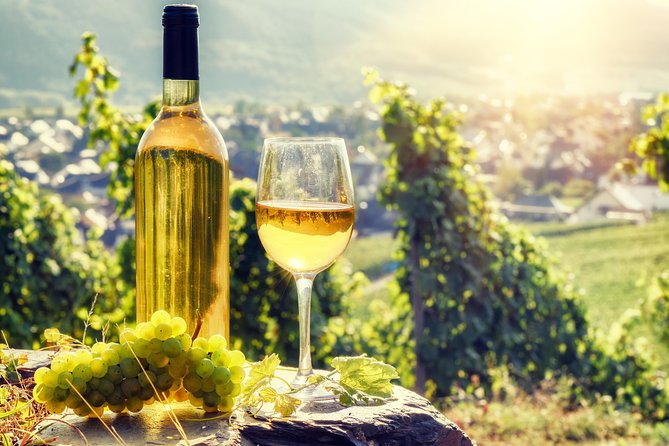
- Three winery tastings: Sample classic Alsatian whites, including Riesling, Sylvaner, Pinot Blanc, Gewürztraminer, Muscat, and Pinot Gris.
- Up to eight people: The small minivan group makes conversation with your guide and fellow wine drinkers easy.
- Village time varies: Mittelbergheim, Dambach-la-Ville, Ribeauvillé, and Riquewihr are part of the planned route, but not every stop is guaranteed as a walking visit.
- Lunch is on your own: You get a midday break in a village, but food and drinks are not included.
- A full eight hours: The 9 a.m. departure from central Strasbourg leaves enough time for wineries, village streets, and countryside views.
- Adult-focused outing: Children under 18 are not allowed, and at least two adults are needed for the tour to operate.
Leaving Strasbourg for Alsace’s vineyard country
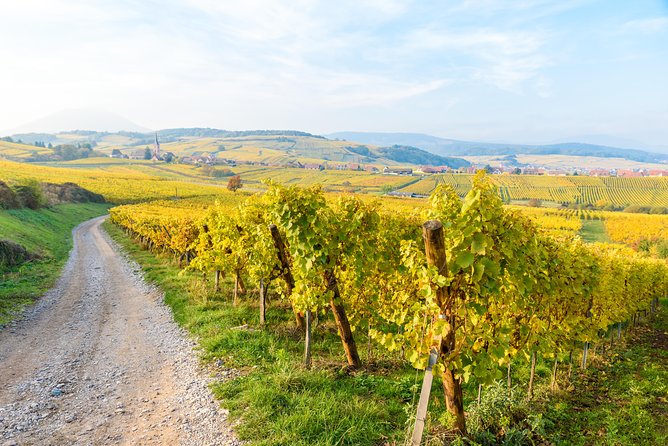
Meet your guide at 17 Place de la Cathédrale, in the heart of Strasbourg, at 9 a.m. From there, you ride in an air-conditioned minivan toward the Alsace Wine Route, a 105-mile route running along the lower slopes of the Vosges Mountains.
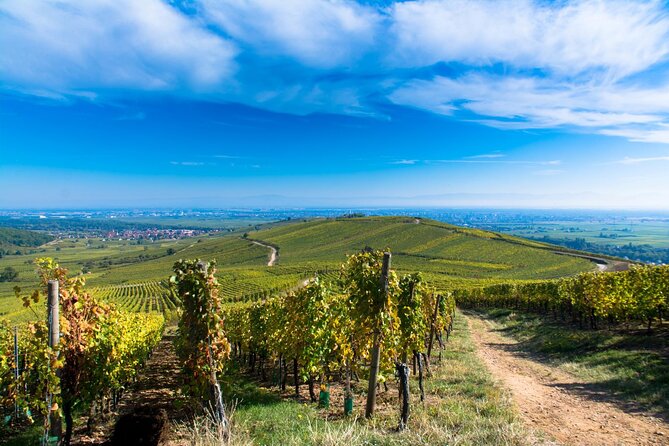
The drive itself is part of the appeal. The city gives way to fields, vineyard rows, church towers, and compact villages with half-timbered houses. You are not simply being taken from one tasting room to another. Your guide provides the regional setting that helps the wine make sense.
Alsace is a useful place to learn about wine because its grape varieties, village names, and winemaking traditions reflect both French and German influences. Riesling may make you think of Germany, but Alsace produces its own distinctive versions. The region is also known for aromatic whites such as Gewürztraminer and Muscat, along with lighter Pinot Blanc and Sylvaner.
I would choose this tour early in your Strasbourg stay if wine and village architecture are both priorities. It gives you a quick working map of the region and may help you decide which bottles or villages deserve more attention later.
More Wine Country Day Trips in France
- Alsace Wine Route Small Group Half-Day Tour with Tasting from Strasbourg
★ 4.5 · 291 reviews - ICONICS Tour: 1/2 day on the Wine Route, visit of 2 Villages + Tasting.
★ 5.0 · 159 reviews - From Lyon: Beaujolais Wine Route Half-Day Tour
★ 4.7 · 119 reviews
Mittelbergheim and the first Riesling tasting
The first wine area is Mittelbergheim, a small village associated with the Kastelberg, Zotzenberg, and Wiebelsberg grand cru vineyards. These named sites are important because Alsace wines often express the character of a particular slope and soil, not just the grape variety printed on the bottle.
At the first winery, you taste Riesling, Sylvaner, and Pinot Blanc. This is a useful opening flight because the wines show different sides of Alsace. Riesling is often crisp and structured, Sylvaner tends to be gentler, and Pinot Blanc can offer a soft, easy-drinking style.
The best part of this stop is the chance to compare wines while the guide explains what you are tasting. If you usually drink only one familiar white wine, pay attention to how the grape, sweetness, acidity, and growing site change from glass to glass.
Do not expect a formal food pairing. Snacks are generally not provided at these tastings, partly to keep the wine’s flavor clear. Eat a solid breakfast before leaving Strasbourg. Three tastings over a day can add up, even when the pours are modest.
Dambach-la-Ville and the family-cellar feel
The route then continues to Dambach-la-Ville, one of the area’s major wine-producing villages. It is linked with the Frankstein grand cru, one of Alsace’s best-known grand cru wines.
The second tasting takes place in a traditional caveau, or wine cellar. The setting may be more rustic than polished. That is part of the point, since Alsace wine production includes many small family operations rather than only large, sleek estates.
You may taste Riesling and Gewürztraminer here while learning how soil and climate shape the wines. This is where a good guide matters. Laurence, Pauline, Jerome, Amelie, and Maxim have all been praised for explaining not only the wine but also the people and families behind it.
There is a practical tradeoff. A small producer may offer a more personal look at local wine, but the room can be plain. One account described a cellar-style tasting as cold and lacking atmosphere during the off-season. If you are expecting grand architecture and a polished tasting bar at every stop, this tour may feel uneven. If you want an honest look at how smaller producers work, the contrast can be worthwhile.
Lunch in a village, with planning required
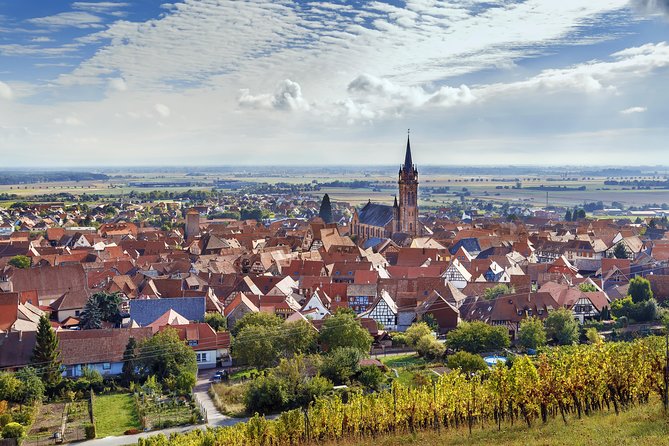
Around midday, you stop for lunch at your own expense. The exact village can vary, with stops such as Bergheim appearing in the day’s route. You get time to eat and walk around, but you are responsible for choosing and paying for your meal.
This break is important because lunch is not included and the tastings do not normally come with snacks. Restaurant availability can be limited outside the high season, so ask your guide for recommendations as soon as the lunch stop is announced. Amelie, for example, has been praised for suggesting places to eat and helping visitors make the most of their village time.
Do not treat lunch as a long restaurant excursion. The tour still has wineries and villages to cover, so keep an eye on the meeting time. A quick local meal followed by a short walk is usually the sensible plan.
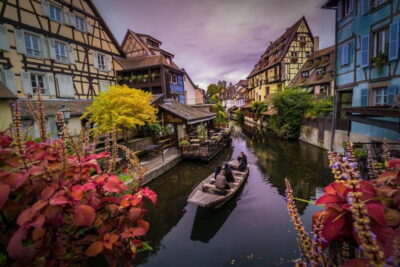
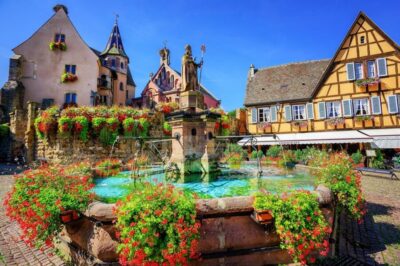
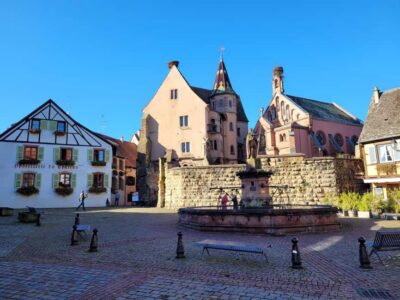
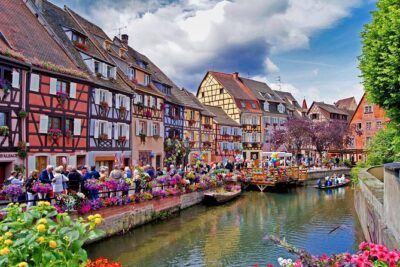
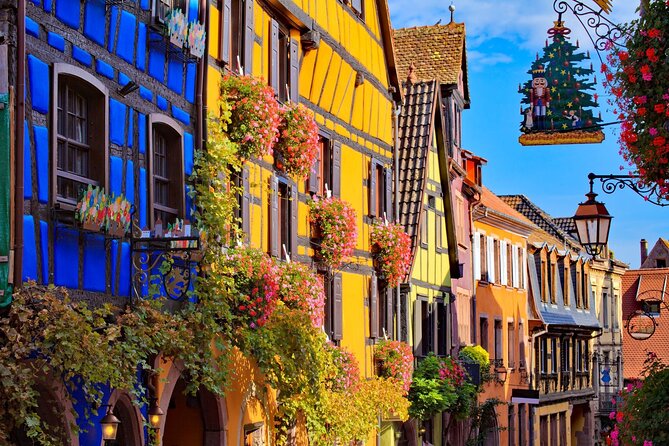
The villages are part of the value here. Their narrow streets, timber-framed buildings, decorated facades, and small squares give you a close look at Alsace beyond the wine label. Even if you are not deeply interested in wine, this portion helps justify the full-day schedule.
More Winery Tours in France
- Saint-Émilion: Grand Cru Classé Winery Visit and Tasting
★ 4.6 · 1,118 reviews - Saint Emilion Half-Day Trip with Wine Tasting & Winery Visit from Bordeaux
★ 4.5 · 1,034 reviews - Saint-Emilion: Grand Cru Classé Guided Winery Visit & Picnic
★ 4.7 · 296 reviews - Médoc Region Half-Day Wine Tour with Winery Visit & Tastings from Bordeaux
★ 4.5 · 211 reviews
Ribeauvillé and Riquewihr, the postcard section
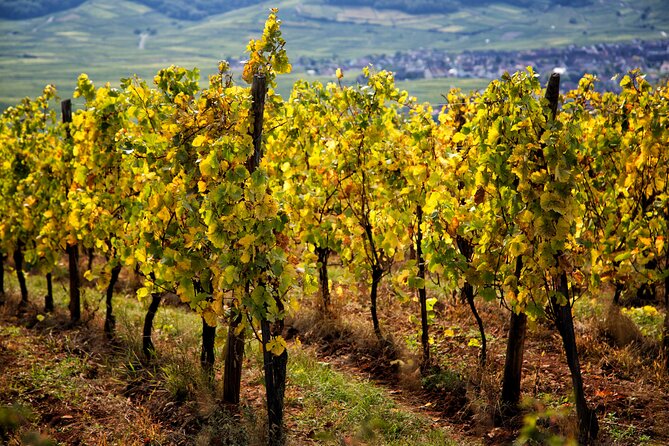
After lunch, the route reaches the Ribeauvillé and Riquewihr wine area. Five grand cru sites are associated with this zone: Kirchberg, Osterberg, Geisberg, Schoenenbourg, and Sporen.
Riesling remains important here, but you may also encounter Muscat, Gewürztraminer, and Pinot Gris. The guide can help you connect the village, vineyard site, grape, and producer rather than treating the tasting as a string of unrelated samples.
Ribeauvillé and Riquewihr are among the most attractive villages on the route. You may have time to walk through one or both, depending on traffic, winery locations, and the day’s timing. Riquewihr is especially popular, and that popularity creates a problem: during the Christmas period, road closures and crowds can make access difficult. Passing through the area does not always mean you will get a long village visit.
This is the biggest itinerary qualification to understand before booking. The tour is designed around the wine route, with village stops added as conditions allow. If Riquewihr is the single reason you want to leave Strasbourg, consider a separate visit or confirm the seasonal plan before paying.
When the timing works, the villages provide a welcome change from tasting rooms. You can stretch your legs, browse the streets, and take in the colorful architecture. One guide even pointed out a village associated with the look of Beauty and the Beast, an unexpected bit of local flavor that made the countryside stop more memorable.
The final tastings and old Alsatian wine families
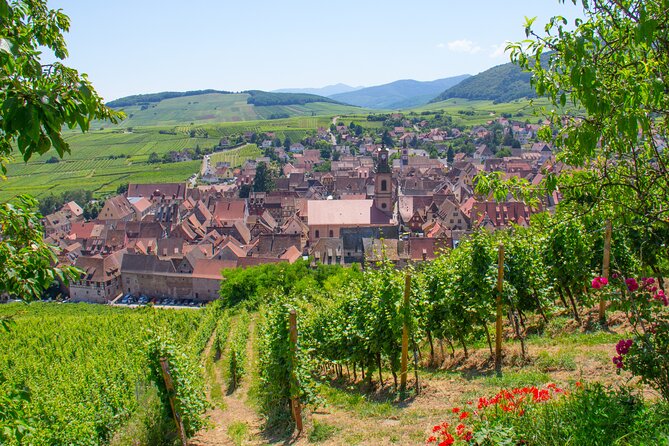
The final winery visits take place in the Ribeauvillé and Riquewihr area. The tour highlights long-established names such as the Hugel and Trimbach families, whose wine traditions reach back hundreds of years.
Across the three stops, the aim is variety. You might visit a modern producer, a small family-run cellar, and a more established estate. That mix is more useful than visiting three nearly identical tasting rooms because it shows how different producers present the same region.
The tastings are often described as generous, and some visitors have bought bottles to ship home after discovering new favorites. If you plan to purchase wine, ask about shipping options directly at the winery. The tour price does not include wine purchases or personal expenses.
The quality may not be identical at every stop. Some people find the wines merely good rather than exceptional for the price of the tour. One final tasting has also been described as less energetic, with the guide doing much of the explanation. This is a fair reminder that winery visits involve real people and changing schedules, not a stage-managed performance.
Still, the guide can make the difference. Pauline has been praised for hospitality and regional detail. Laurence is often singled out for matching the tasting to the group’s preferences. Jerome has been valued for explaining grapes, terroir, vineyards, and local history. Your experience will depend partly on who leads the day and which producers are open.
Why the small group matters
A maximum of eight people is one of the strongest features of this outing. You travel in a minivan rather than a large coach, and the guide can answer questions without turning the day into a lecture.
The small format also helps at the wineries. You can ask about sweetness, vintages, grape varieties, and shipping without having to compete with a crowd. It is also easier to adjust the pace when the group wants a little more village time or a clearer explanation of a wine.
There is a social side, too. Several people have found that sharing tastings turned the group into a friendly circle by the end of the day. That is not guaranteed, of course, but a group of eight is far more conducive to conversation than a busload of strangers.
The tradeoff is that the tour may feel less predictable than a fixed sightseeing circuit. Small producers, traffic, seasonal closures, and group preferences can affect the order and length of stops. I see that as a reasonable exchange for a more local-style day, but it helps to arrive with flexible expectations.
Is $260.12 a fair price?
At $260.12 per person, this is not a cheap day trip. The fee covers an English-speaking driver-guide, air-conditioned minivan transport, and three wine tastings. Lunch, extra drinks, wine purchases, insurance, and personal spending are separate.
The value depends on how you would otherwise reach the wine route. Renting a car creates the problem of drinking and driving, while public transport does not easily connect several wineries and villages in one day. Here, you pay for transport, local coordination, and a guide who can explain the area as you go.
I think the price makes the most sense for a couple or solo visitor who wants a full day without handling logistics. It is less convincing if you are mainly seeking luxury estates, elaborate food pairings, or guaranteed time in Riquewihr.
The high rating of 4.9 from 229 ratings and a 99 percent recommendation indicate strong overall satisfaction, but the uneven comments are useful. The experience can be excellent when the guide is engaged and the winery mix suits your taste. It can feel expensive when the tastings are ordinary or the village time is shortened.
Practical details for a smoother day
Wear comfortable shoes. You may spend time walking on village streets and standing in cellars, and the day is long.
Eat breakfast before meeting the group, then plan to buy lunch. Since the tour lasts about eight hours, bring water and avoid assuming that food will appear between tastings.
The tour begins and ends at the central meeting point in Strasbourg. Hotel pickup and drop-off are not included. A mobile ticket is accepted, and the activity is offered in English.
This is an adult-only experience. Children under 18 are not allowed, pets are not permitted, and at least two adults are required for the tour to run. Most people can participate, but you should be comfortable with a full day of driving, walking, and wine tasting.
The experience is non-refundable and cannot be changed after booking. If poor weather or an insufficient number of participants causes the operator to cancel, you are offered another date or a full refund. The tour does not operate on December 25 or January 1.
Who should book this Alsace wine day?
I would book it if you want three tastings, scenic villages, and a guide who can connect wine with local culture. It suits adults who prefer a small group and do not want to drive after drinking.
It is especially good for first-time visitors to Alsace. You get an overview of several wine areas, a handful of grape varieties, and enough village scenery to understand why this region is so popular.
I would hesitate if your priority is a guaranteed visit inside Riquewihr, a luxury tasting-room setting, or a food-focused wine experience. The wineries vary in style, snacks are not supplied, and the exact route can change.
For the best odds of a smooth day, go outside the busiest Christmas period, eat breakfast, keep lunch flexible, and tell your guide which wines you prefer. With those expectations, this is a useful and enjoyable introduction to Alsace, especially when led by one of the stronger guides such as Pauline, Laurence, Jerome, Amelie, Florence, or Maxim.
FAQ
Where does the tour begin?
It begins at 17 Place de la Cathédrale, 67082 Strasbourg, France, at 9 a.m.
Where does the tour end?
The tour ends back at the meeting point in Strasbourg.
How long does the tour last?
The experience lasts approximately eight hours.
How many people can join the tour?
The tour has a maximum of eight participants.
What is included in the price?
The price includes an English-speaking qualified driver-guide, transport in an air-conditioned minivan, and three wine tastings.
Is lunch included?
No. Lunch and other food and drinks are not included.
Which wines might I taste?
The tastings may include Riesling, Sylvaner, Pinot Blanc, Gewürztraminer, Muscat, and Pinot Gris.
Are children allowed?
No. This is an adult-only tour, and children under 18 are not allowed.
Are Riquewihr and the other villages guaranteed stops?
The route includes the wine areas around Mittelbergheim, Dambach-la-Ville, Ribeauvillé, and Riquewihr, but the exact village visits depend on traffic, winery locations, and seasonal conditions.
Can I cancel for a refund?
The experience is non-refundable and cannot be changed for any reason. If the operator cancels because of poor weather or because the minimum number of participants is not met, you are offered another date or a full refund.
More Winery Tours around France
- Côtes de Provence Small Group Day Trip with Winery Visits & Tastings from Nice
★ 5.0 · 114 reviews - Winery Visit with Food and Wine in Carcassonne
★ 5.0 · 59 reviews - Reims: Champagne House Mumm, Winery Visit with Lunch
★ 5.0 · 21 reviews - Immersive winery visit, tasting and picnic cart
★ 4.5 · 19 reviews
More Alsace Wine Route Tours around France
- Private and customizable: Alsace Wine Route HIGHLIGHTS in 3 hours
★ 5.0 · 63 reviews - Through Alsace Vineyards and Wine Villages Private Bike Tour
★ 5.0 · 47 reviews - Wine tour of the Alsace wine route
★ 3.4 · 23 reviews - From Strasbourg: Colmar & Alsace Wine Route Private Day Trip
★ 5.0 · 10 reviews
Just added around France
- Vineyard of the Alpilles by bike★ 4.6 · 8 reviews
- Vosne-Romanée: Private Vineyards Walking Tour with Tasting★ 4.4 · 9 reviews
- Vineyard tour and wine tasting in Davron★ 4.5 · 7 reviews
- Private Vineyard Tour and Wine Tasting in Bandol★ 5.0 · 16 reviews
- Vineyard visit in Gyropode, visit of Cave & Tasting Wines of Bandol★ 5.0 · 19 reviews
- Bike ride on the Wine Route from Sélestat★ 5.0 · 5 reviews
- Horse riding in the vineyards of Grimaud + wine tasting★ 5.0 · 3 reviews
- 1/2 day private Vintage tour, vineyards of Saint-Tropez★ 5.0 · 6 reviews
Alsace Wine Route Tours, compared.
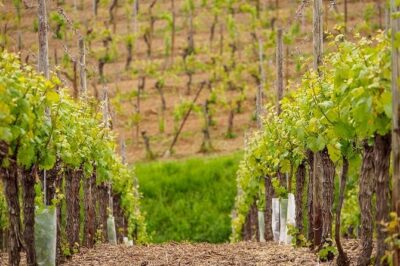
Alsace Wine Route Small Group Half-Day Tour with Tasting from Strasbourg
Our review →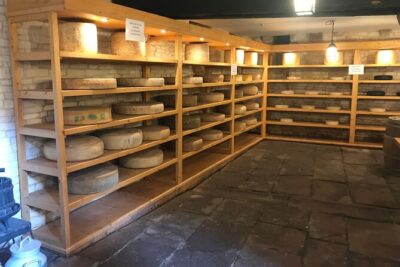
Private and customizable: Alsace Wine Route HIGHLIGHTS in 3 hours
Our review →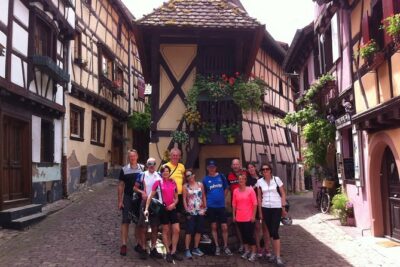
Through Alsace Vineyards and Wine Villages Private Bike Tour
Our review →