
REVIEW · PERU
From Ica or Huacachina: Tour to Tacama Vineyard and Artisanal Winery.
Wine country begins beside the dunes. This five-hour outing connects Hacienda Tacama, South America’s oldest winery, with two smaller producers where pisco remains a family craft. I like the mix of grand estate and working artisan winery, and I like that English and Spanish guides lead the visits. The catch is simple: Tacama’s entry fee and your lunch cost extra.
The tour suits you if you want Ica’s wine country handled without arranging taxis between scattered wineries. Hotel pickup and return from Ica or Huacachina make the day easy, but this is a group tour, so expect a fixed pace and limited freedom at each stop.
Key points to know before booking
- Tacama is the headline stop: Visit the oldest winery in South America and taste its wines, piscos, and sparkling wines.
- Lovera brings family tradition: La Vieja Bodega Lovera began in 1867 and remains under fourth-generation family management.
- Cutur includes old Spanish cellars: The artisan winery keeps cellars dating from the 16th and 17th centuries.
- Lunch is separate: You get about an hour for regional food at the restaurant, but the meal and drinks are not included.
- Mondays follow a different plan: Tacama closes for its weekly break, so the visit moves to Hacienda Vista Alegre.
- The price is attractive, with one important extra: At $25 per person, transport and tastings are covered, while Tacama admission is 25 soles, or 30 soles on holidays.
Why Ica’s Pisco Route makes a good half-day
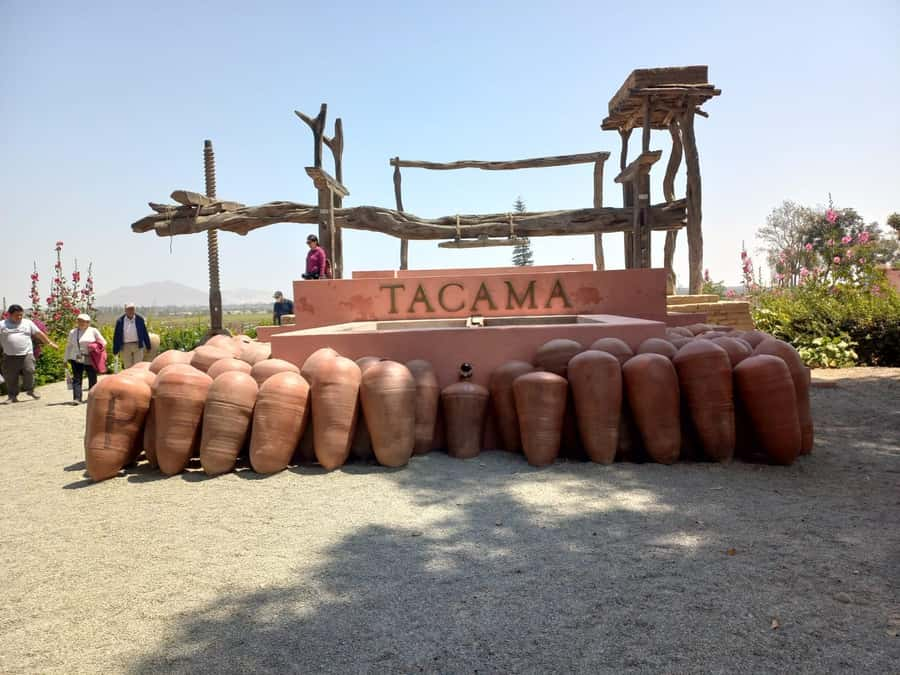
Ica is more than the launch point for Huacachina’s dunes. The surrounding valley is Peru’s best-known pisco country, and its wineries give you a useful look at how grapes become wine, pisco, cachina, and pisco creams.
This tour works because it combines three different kinds of producer. Tacama gives you the formal estate experience. Lovera shows how a family winery carries old methods forward. Cutur adds an artisan stop, a meal break, and old Spanish cellars. You are not simply tasting the same drink three times in different rooms.
The five-hour length is practical. You leave time for winery visits without giving up a full day in Ica. Pickup begins about 15 minutes before the scheduled departure, and the drive from Ica to the first winery takes around 20 minutes. After the final visit and lunch, the van returns you to your hotel.
You should still expect a group schedule. The day is organized around set visit times, so this is not the right choice if you want to linger over one bottle or spend an afternoon photographing vineyards at your own speed.
A few more vineyard visits around the world worth a look
- From Porto: 2 Wine Regions, Farm-to-Table Lunch & Boat
★ 4.9 · 5,724 reviews - Napa and Sonoma Wine Country Full-Day Tour from San Francisco
★ 4.5 · 4,455 reviews - Douro Valley Tour: 2 Vineyard Visits, River Cruise, Winery Lunch
★ 5.0 · 3,542 reviews
Tacama: the grand opening stop
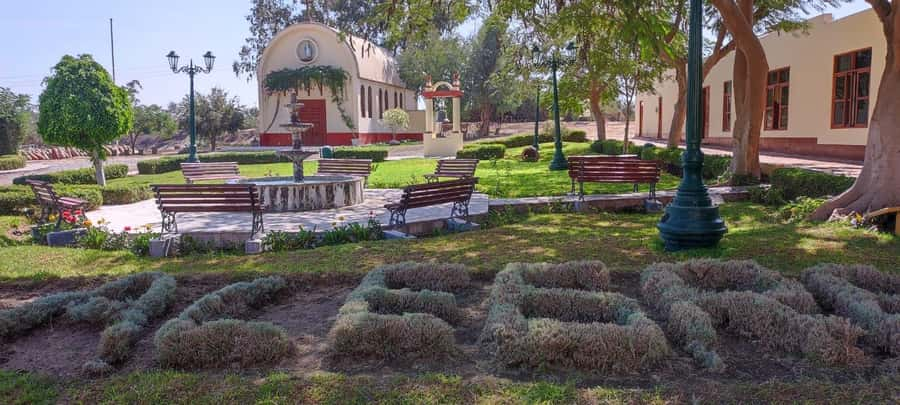
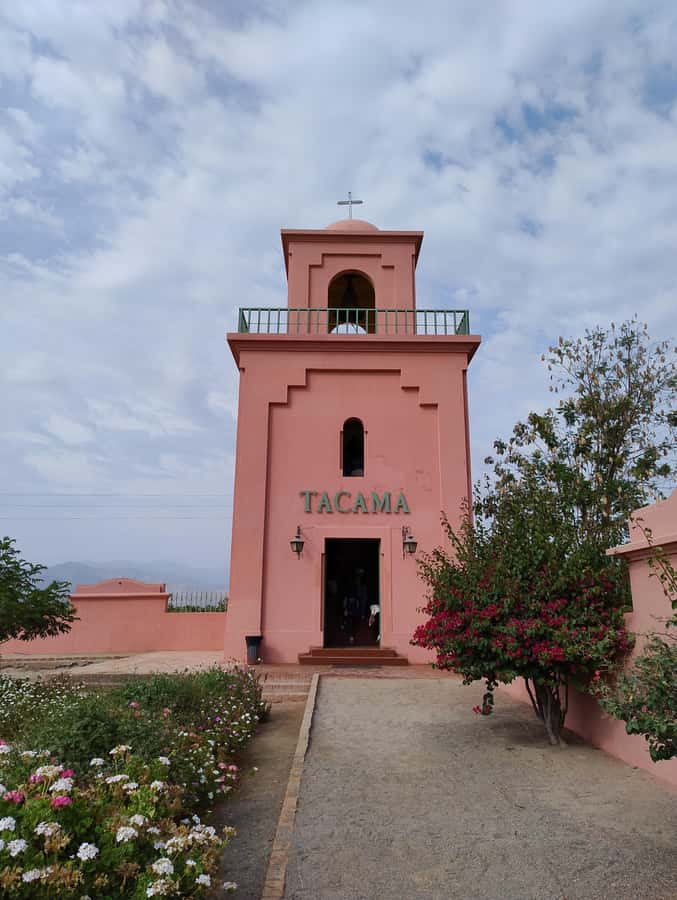
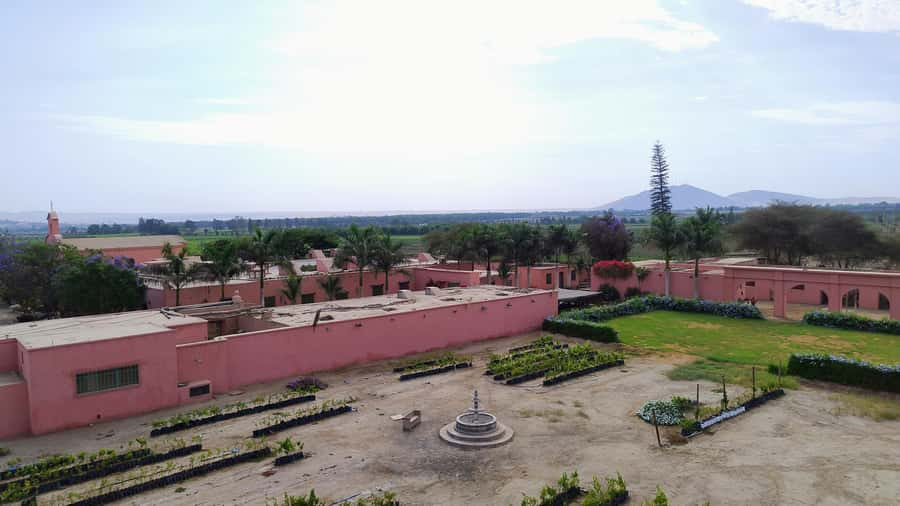
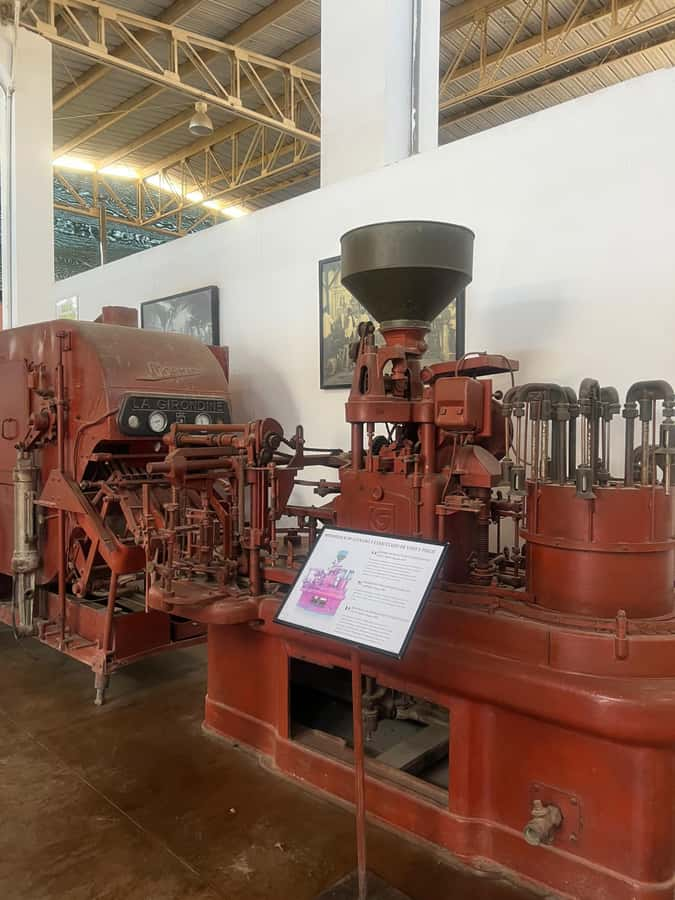
The first stop is Hacienda Tacama at Avenida Camino Real 390 in Ica. The estate uses fine grapes to produce wines, pisco, and sparkling wines, and the guided visit includes time for photographs, sightseeing, and tasting.
The main appeal is the setting and scale. Tacama is presented as the oldest winery in South America, which gives this stop more weight than a quick tasting-room visit. You get an introduction to one of the region’s major producers before moving to smaller family operations.
The visit lasts about two hours, making it the longest stop of the day. That gives the guide room to explain the winery’s products and production traditions rather than rushing you through a single sample. Tastings include different wines, piscos, and pisco creams.
There is an important cost to plan for. Tacama admission is not included in the tour price. The regular entry fee is 25 soles, with an additional 5 soles on holidays. At $25 for the tour itself, the package can still offer good value, but you should not treat the advertised price as the complete cost of the day.
If you visit on a Monday, Tacama takes its weekly break. The operator substitutes Hacienda Vista Alegre, described as a winery of the same category. That change may be perfectly workable, but Tacama fans should avoid Monday if the oldest winery is the main reason for booking.
Lovera and the family story of pisco
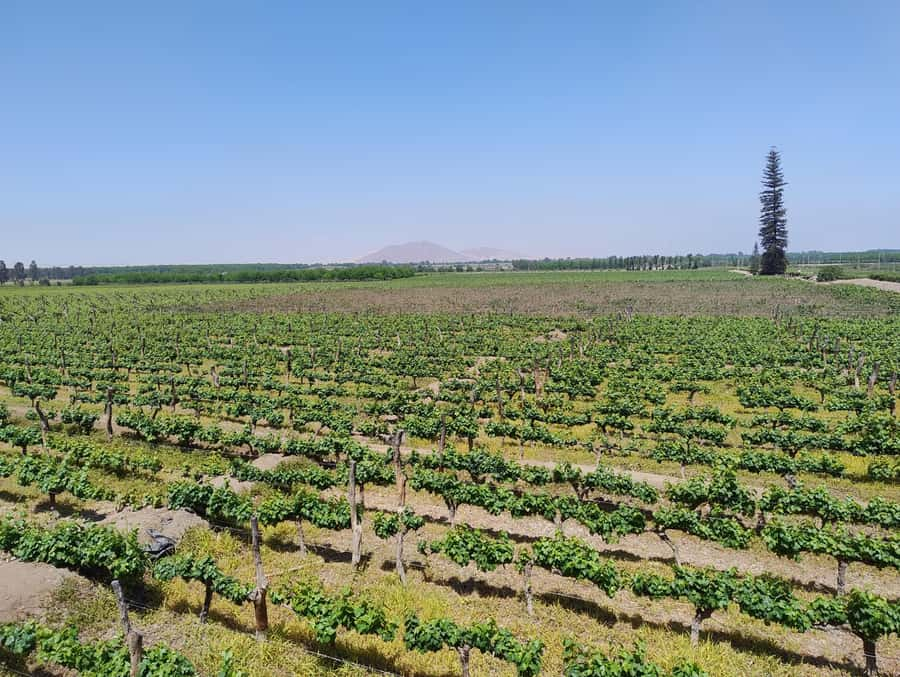
After Tacama, the group continues to La Vieja Bodega Lovera on the PE-1S road. This is the mother winery of Lovera de Ica, founded by Francisco Lovera and Ursula Moreno in 1867.
The winery remains a family operation, now managed by the fourth generation. That detail matters because it gives the visit a personal scale. You are not only looking at bottles and labels. You are seeing a business that has passed through several generations while keeping pisco, wine, and cachina at its center.
The visit lasts about one hour. As at Tacama, you can expect a guided tour, photographs, and tastings. The principal attraction is the group of piscos, wines, and cachinas produced by the winery.
For me, this is the stop that adds balance to the day. Tacama supplies the large historic name, while Lovera shows the continuity of a family cellar. If you enjoy hearing how a product stays connected to a place and a family, this part should carry more meaning than a standard commercial tasting.
The one-hour format also means you should keep your expectations in check. This is an introduction, not a long private tasting. You will sample the main products, learn about the winery, and move on with the group.
Cutur and the old Spanish cellars
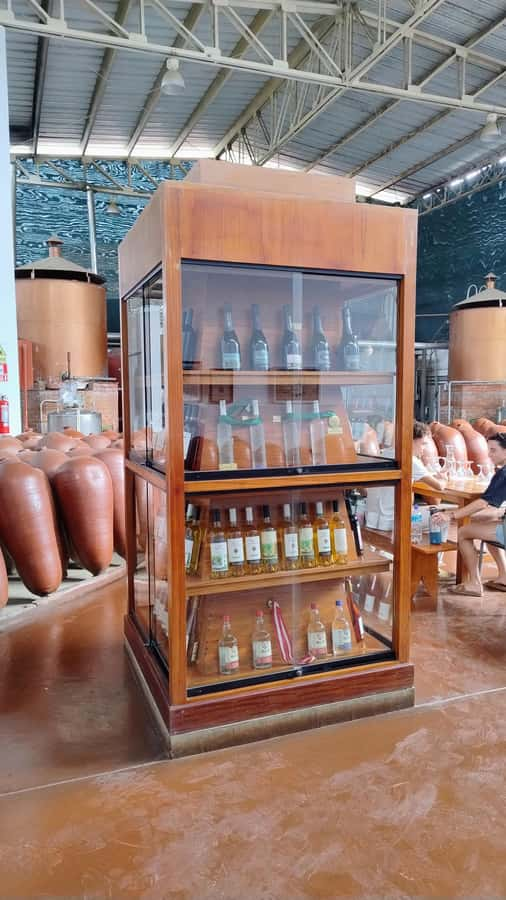
The final winery stop is Tourist Winery Cutur Pisco, located at Fundo Hotel El Arrabal in Ica. The description also refers to the wider property as Fundo, or hotel, El Arrabal, so your guide will handle the transition from winery visit to meal break.
Cutur is an artisan winery where traditional wine and pisco production continues. Its most unusual feature is inside the property: authentic Spanish cellars from the 16th and 17th centuries. That makes the stop useful even if you have already sampled several piscos earlier in the day.
The cellar detail also gives you a physical sense of age. Instead of hearing only dates and family names, you have old structures to look at. You can take photographs, join the guided visit, and taste the winery’s wines, piscos, and cachinas.
This stop lasts about an hour, including time set aside for lunch. The schedule is helpful if you need a break after two tastings, but it also means your meal time is limited. If lunch is important to you, go in ready to order rather than treating this as a long, relaxed restaurant sitting.
Same place, a completely different cellar door:
- San Francisco Super Saver: Muir Woods & Wine Country w/ optional Gourmet Lunch
★ 4.5 · 3,352 reviews - Day Trip to Kakheti Wine Region Including 9 Wine Tastings
★ 5.0 · 2,774 reviews - Toledo Tour & Vineyard Walk with Wine Tasting from Madrid
★ 5.0 · 2,546 reviews - From Tbilisi: Kakheti Wine Region Tour with 9 Wine Tastings
★ 4.9 · 2,541 reviews
Lunch with Ica flavors, at your own expense
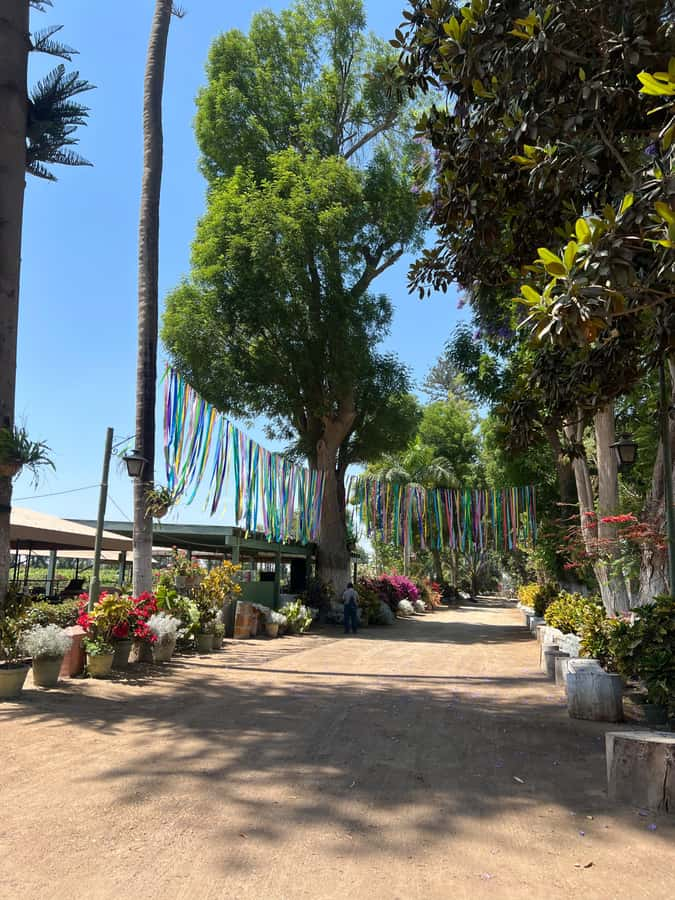
The lunch break takes place at the restaurant connected with the Cutur stop. You can order typical dishes from the Ica Region and use the hour as free time.
Lunch is not included, and neither are drinks. Bring cash, since the tour specifically recommends it. You should also remember that the tastings do not replace a meal. Wine and pisco samples may be enjoyable, but you will want food before the return trip.
This is one place where the low tour price needs a little context. The $25 covers hotel pickup and return, transport, a guide, winery visits, and pisco and wine tastings, but not Tacama’s admission or lunch. Add those costs before comparing this outing with a private excursion or a self-arranged taxi day.
Still, the arrangement is fair for a short group tour. You pay separately for the food you choose, rather than being locked into a fixed meal. The tradeoff is less certainty about the final bill.
What the tastings are really like
The tasting program is broader than wine alone. You can sample wines, piscos, sparkling wines at Tacama, cachinas, and pisco creams. That variety makes the route worthwhile for people who want to understand the full range of Ica’s grape-based drinks.
Pisco is the central theme. Peru’s signature spirit is made from grapes, and the wineries present it alongside wines and sweetened pisco creams. Cachina also appears at the artisan stops. The exact products and tasting order can depend on the winery and guide, so do not expect a fixed flight identical at every location.
You should pace yourself. Three winery visits in one morning or afternoon can become tiring, especially if you sample at every stop. Eat at the restaurant, drink water, and use the time between stops to reset your palate.
Comfortable shoes and clothes are sensible. Bring a camera, charged smartphone, biodegradable sunscreen, and biodegradable insect repellent. The advice about repellent is worth following because the tour specifically warns about insects, and the wineries are not all presented as indoor tasting rooms.
Transport, timing, and group-tour limits
Pickup and return are included from hotels in Ica or Huacachina. The listed transfer time is about 20 minutes each way, with pickup scheduled roughly 15 minutes before the activity begins.
That convenience is a major part of the value. You do not need to find three wineries, negotiate separate transport, or worry about returning to town after tastings. The operator, Ica Discovery Tours, handles the route.
The group format keeps the cost down, but it limits choice. The van moves when the schedule says it moves, and each stop has a planned duration. If you want a private guide, longer tastings, or a custom winery order, this is not that kind of day.
English and Spanish guiding is available. Some content may appear in its original language, so ask the guide for clarification when a technical detail matters to you. The tour is listed as wheelchair accessible, but the description also advises against the experience for people with epilepsy, visual impairments, recent surgeries, or insect allergies. Those restrictions deserve attention before booking.
Alcohol and drugs, fireworks, and explosive substances are not allowed. That may sound obvious, but the practical point is that this is a tasting tour, not a party bus. The focus is the wineries and their products.
Is $25 good value?
For the base price, I think it is good value if you want a broad introduction to Ica’s wine country. Transport alone can make a self-guided winery day awkward, and this outing includes three named winery experiences, a bilingual guide, and tastings.
The price becomes less impressive if you expected an all-inclusive day. Tacama’s 25-sol admission is extra, rising by 5 soles on holidays. Lunch and drinks also come from your own pocket. Add these costs before booking, especially if you are traveling on a strict budget.
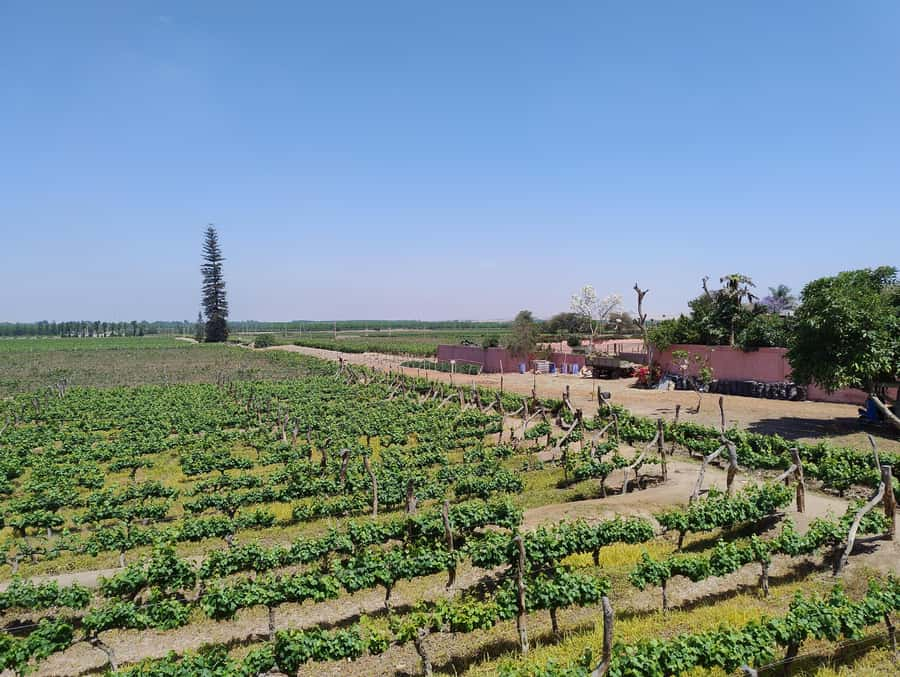
The best value comes from the combination of convenience and variety. You visit a major historic estate, a fourth-generation family winery, and an artisan producer with old Spanish cellars. That range would be difficult to arrange efficiently in five hours without local transport.
Who should book this Ica winery tour?
I recommend it for first-time visitors to Ica, people staying in Huacachina, and anyone who wants an organized introduction to pisco without renting a car or planning a route.
It also fits couples and small groups who enjoy tastings but do not need a private schedule. The English and Spanish guide option helps if you want more explanation than a self-guided bottle shop visit can provide.
I would think twice if you dislike group tours, rarely drink alcohol, or want a long lunch. The day revolves around wineries, tastings, and a fixed timetable. People with epilepsy, visual impairments, recent surgeries, or insect allergies should not book, based on the listed suitability restrictions.
Book this tour if you want three different winery styles, easy hotel transport, and a solid introduction to Ica’s wine and pisco traditions at a moderate base price. Skip it if Tacama is essential and you can only go Monday, or if you want an all-inclusive experience with lunch already covered. For most visitors based in Ica or Huacachina, the route offers a practical way to see more than the dunes without giving up an entire day.
FAQ
Is hotel pickup included?
Yes. Pickup and return to your hotel in Ica or Huacachina are included. Pickup takes place about 15 minutes before the scheduled activity time.
How long does the tour last?
The tour lasts about five hours, including transportation, winery visits, tastings, and the lunch break.
Is the Tacama entrance fee included?
No. Entry to Bodega Tacama costs 25 soles, with an additional 5 soles on holidays.
What happens if I visit on a Monday?
Tacama is closed on Mondays for its weekly break. The visit is replaced by Hacienda Vista Alegre, which is described as being in the same category as Tacama.
Is lunch included?
No. You receive about one hour of free time for lunch at the restaurant at Fundo Hotel El Arrabal, but food and drinks are not included.
Which languages are available for the guided tour?
Guided tours are available in English and Spanish. Some content may be presented in its original language.
Just added around the world
- Wuerzburg: Vineyard rally with wine tasting and group dynamics★ 4.8 · 6 reviews
- Winery Visit & Tasting near Grosseto with 6 wines★ 4.8 · 6 reviews
- Yolo: Vineyards, Farms & Cultural Gems – Audio Driving Tour★ 4.3 · 5 reviews
- Xalo: Vineyard Tour with Wine Tasting and Snacks★ 4.9 · 8 reviews
- Winery Visit and Tasting in Elche with wines and tapas from Alicante in Van★ 5.0 · 9 reviews
- Winery Visit & Tasting on the Volcanic Slopes near Catania★ 5.0 · 2 reviews
- Woodinville Wine Country: Downtown Wine Tasting Pass★ 4.4 · 2 reviews
- Winery, Tastings & 4×4 Vineyards: Half-Day Trip from Lisbon★ 5.0 · 4 reviews
Peru Vineyard Tours, compared.
ICA: Pisco and Wine Route with tasting in 03 Wineries
Our review →

Ultimate Comfort: Lima to Huacachina, Ballestas and Vineyard
Our review →
Every list this estate visit appears in