
REVIEW · GERMANY
Koblenz: The Living Vineyard, Nature & Wine Enjoyment
Wine tastes better with a view. This three-hour walk from Weingut Lunnebach combines a gentle climb through Moselle vineyards with stories about geology, winemaking, plants, animals, and local history. I like the mix of three selected wines plus a welcome Secco and the chance to see more than just rows of vines. The main thing to consider is that the tour is conducted only in German, and the route is not suitable for wheelchair users or people with mobility impairments.
I also like the tour’s unhurried pace. The three-kilometer route goes gently uphill, with frequent stops for explanation and tasting rather than a hard march to the top. Guide Bernd Doetsch has earned praise for his lively delivery, while Bettina helps serve wine and snacks at points along the route. You should wear comfortable shoes and clothes, since the walk runs in rain or shine.
Key points to know before booking
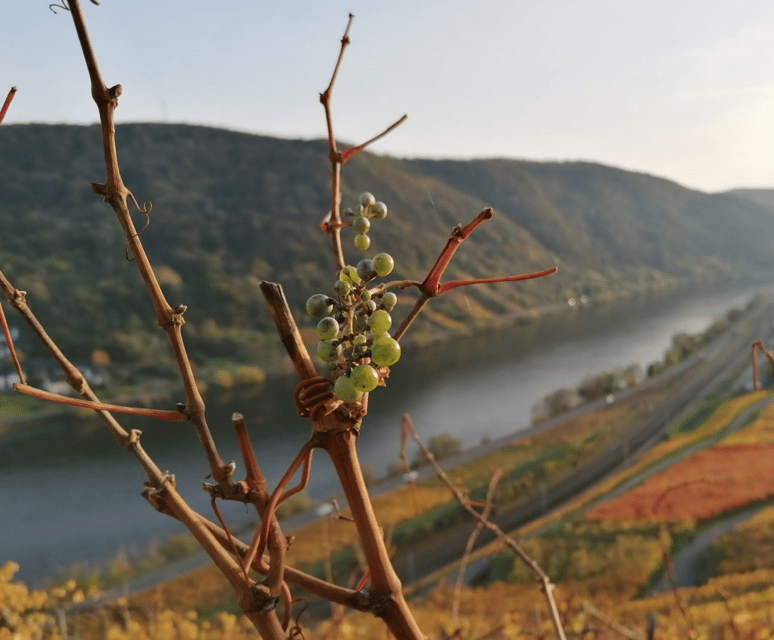
- A three-kilometer vineyard walk: The route climbs leisurely from Weingut Lunnebach through vines, dry stone walls, meadows, fallow areas, and the Brauewald.
- Four drinks are included: You begin with a welcome Secco, then taste three selected wines from the winery.
- Nature is central to the tour: The guide points out flowers, herbs, insects, reptiles, mammals, and birds found around the vineyards.
- The views improve as you climb: The route opens toward the Moselle valley and Koblenz, with a particularly rewarding outlook on the return.
- Bernd Doetsch leads in German: His lively, flexible style suits people who want more than a basic wine tasting.
- The price is modest: At $30 per person for three hours of guiding, wine, and a nature walk, this offers good value if you can follow German comfortably.
Starting at Weingut Lunnebach with a glass of Secco
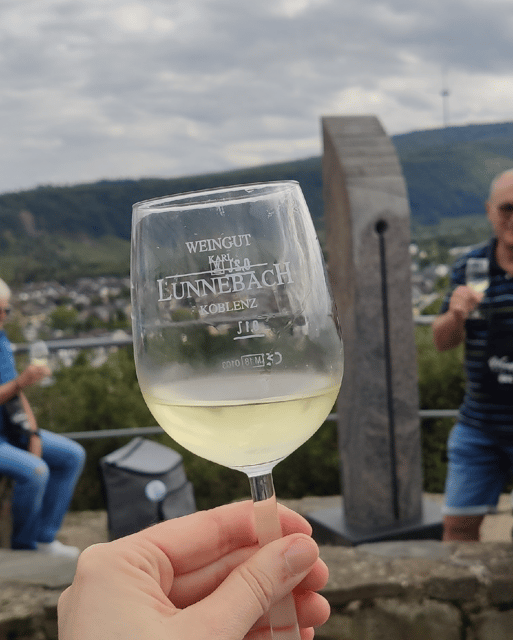
Your experience begins at Weingut Lunnebach, a winery where Riesling is a major focus. The winery describes its vines as growing on steep Moselle slopes with slate-like soils and strong sun exposure. Those conditions help produce wines with fruity and mineral qualities, which gives the tasting a useful sense of place rather than making it a generic stop for drinks.
The welcome Secco gets things moving in a relaxed way. You receive a wine glass and a holder, so you can carry your drink while walking. That small detail matters: you do not need to rush through the first glass before setting off, and your hands remain free for the path.
Lunnebach follows a near-natural approach to viticulture, using targeted care in the vineyard and cellar while trying to protect the surrounding natural world. That idea shapes the whole walk. You are not simply shown where grapes grow. You are encouraged to notice how vines share their setting with wild plants and animals.
The meeting point is also practical for anyone already spending time around Koblenz and the Moselle. The tour returns to the same winery, so you do not have to arrange a second pickup point or find your way back after the tasting.
A few more vineyard visits around the world worth a look
- From Porto: 2 Wine Regions, Farm-to-Table Lunch & Boat
★ 4.9 · 5,724 reviews - Napa and Sonoma Wine Country Full-Day Tour from San Francisco
★ 4.5 · 4,455 reviews - Douro Valley Tour: 2 Vineyard Visits, River Cruise, Winery Lunch
★ 5.0 · 3,542 reviews
Walking the old route toward the sunny vineyard
From the winery, you follow a path uphill into the vineyard. The climb is described as leisurely, and the route covers about three kilometers. It is not a mountain hike, but you should still take the footwear advice seriously. Comfortable shoes will make the uneven route easier, particularly if the ground is wet.
The path has a historical touch. Napoleon Bonaparte once walked along it, a detail that gives the route an extra layer without turning the experience into a formal history tour. The focus stays on the connection between people, vineyards, and the Moselle setting.
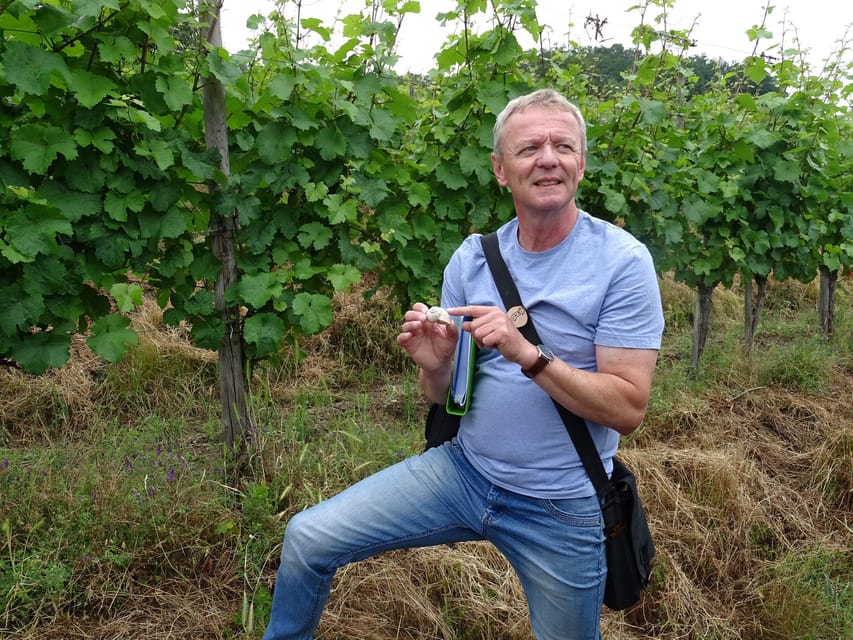
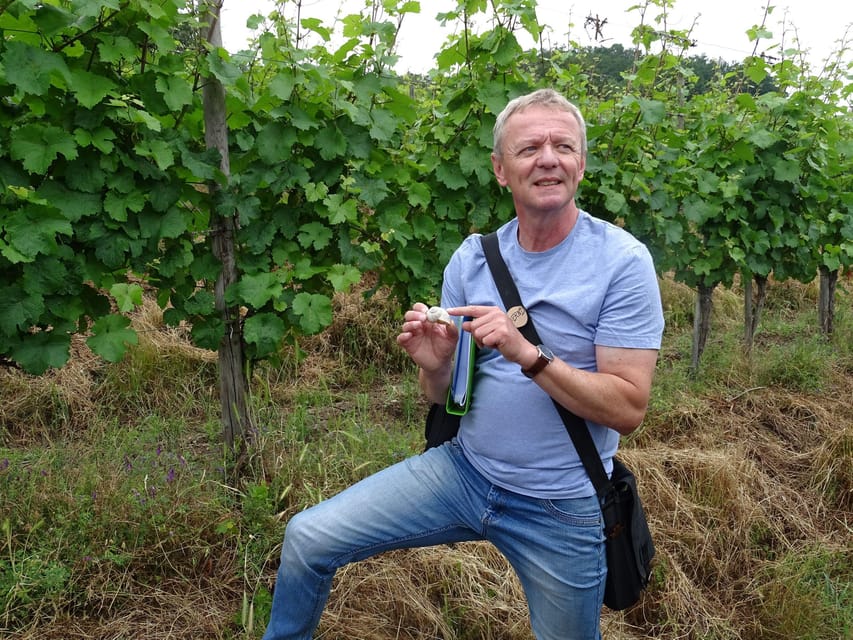
Bernd Doetsch leads the walk in German. His approach appears to be conversational and active rather than a long lecture at one fixed point. The group is said to stop often, sometimes every few meters, so the pace remains manageable even for people who are not strong hikers.
That format suits curious visitors who like to ask questions. Bernd has been praised for answering questions beyond wine, including topics connected to the area and natural surroundings. He is also described as friendly, authentic, and witty, which can make a difference during three hours together.
The language issue is the clearest limitation. If you do not understand German well, you may miss the explanations that make this tour special. The wine itself and the views remain accessible, but the nature and history content depends heavily on following the guide.
Understanding the Moselle through slate, sun, and vines
The walk explains why this part of the Moselle is suited to Riesling. The vines grow on steep slopes, with slate-shaped soils and favorable exposure to sunlight. These details help explain the style of wine in your glass. Rather than treating Riesling as an abstract product, the tour connects it to the slope, soil, and care used in the vineyard.
You also get an introduction to the winemaker’s work. The winery uses planned measures in both the vineyard and cellar, with an emphasis on near-natural viticulture. That provides useful context for the tasting because you can consider not only the flavor of each wine but also how it reached the bottle.
The stop-and-talk format works especially well here. You have time to look at the vines while hearing how grapes are grown and handled. A standard cellar tasting can tell you what a wine tastes like. This walk helps explain why it tastes that way.
Do not expect a formal technical course in winemaking. The available information points to a friendly, accessible tour rather than an advanced seminar. If you already know a great deal about Riesling, you may find parts of the explanation familiar. Still, the combination of geology, local conditions, and direct views of the vines gives the subject a practical setting.
Looking beyond the vines at dry walls and wild habitats
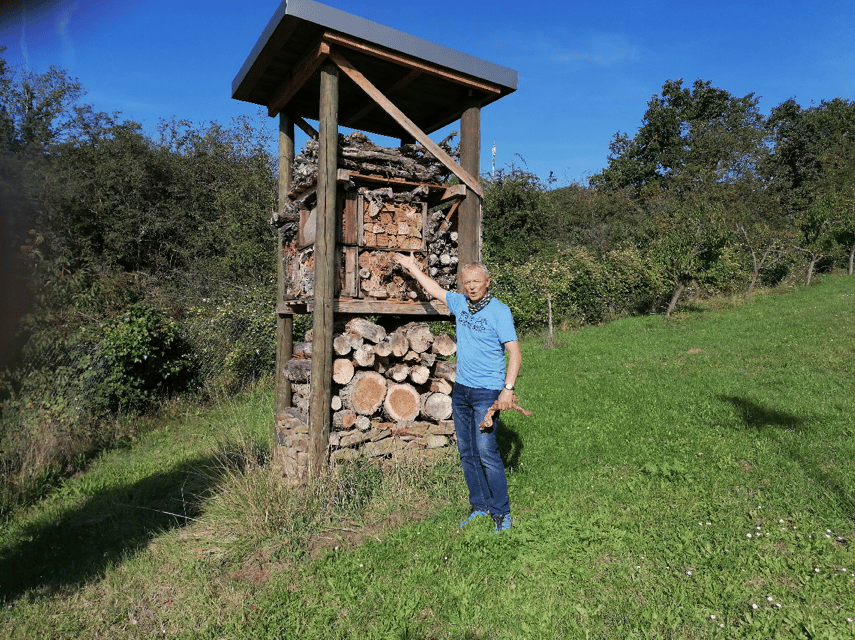
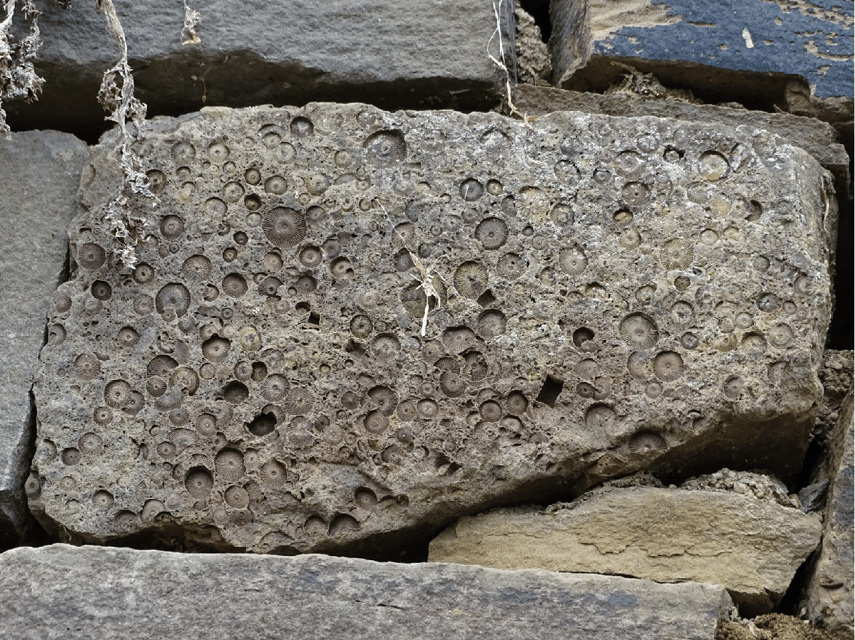
One of the best features is the range of habitats along the route. The walk includes vineyards, dry stone walls, fallow land, meadows with fruit trees, and the Brauewald. That variety shows how a wine-growing area can contain much more than cultivated rows.
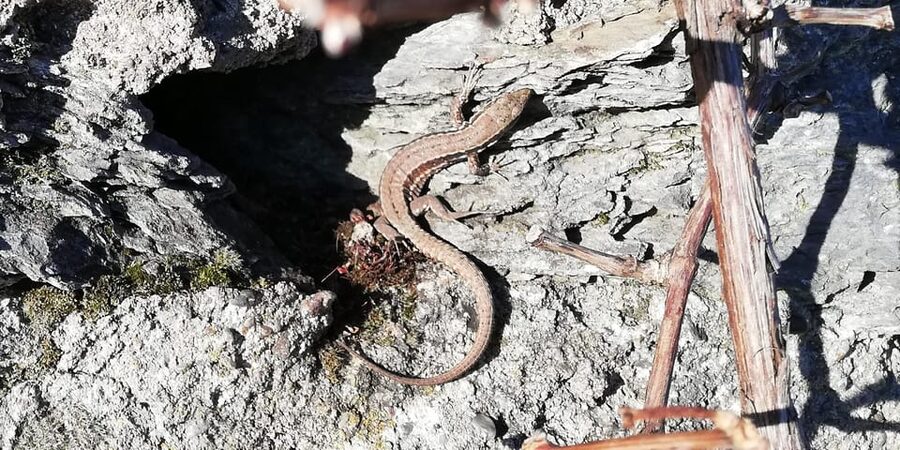
Dry stone walls are especially important to notice. They are part of the traditional vineyard structure and create small spaces where plants and animals can live. Fallow areas and meadow edges add further variety, while fruit trees bring a different character from the vineyard itself.
The guide discusses flowers and herbs, along with insects, reptiles, mammals, and birds. The point is not simply to name a few species. You are asked to see the vineyard as a shared ecosystem, where farming and wild nature meet.
This makes the walk a good choice for people who enjoy countryside observation but do not want a dedicated wildlife expedition. Sightings can never be guaranteed, and the tour information does not promise specific animals. What you can count on is an explanation of the kinds of life supported by the area.
Families and mixed-interest groups may appreciate this balance. One person can focus on wine, another on photography and views, and another on plants or local geology. The route gives each subject room without losing its main theme.
Same place, a completely different cellar door:
- San Francisco Super Saver: Muir Woods & Wine Country w/ optional Gourmet Lunch
★ 4.5 · 3,352 reviews - Day Trip to Kakheti Wine Region Including 9 Wine Tastings
★ 5.0 · 2,774 reviews - Toledo Tour & Vineyard Walk with Wine Tasting from Madrid
★ 5.0 · 2,546 reviews - From Tbilisi: Kakheti Wine Region Tour with 9 Wine Tastings
★ 4.9 · 2,541 reviews
Tasting three wines along the route
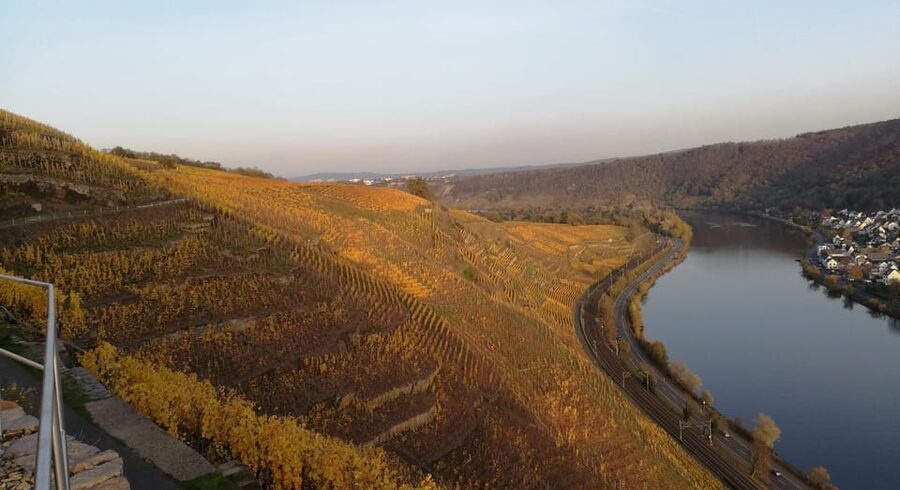
After the opening Secco, you taste three selected wines from the cellar. The exact bottles and grape varieties are not specified, so you should not book expecting a fixed vintage list. Riesling is the winery’s main focus, but the three selections can vary.
The wine service is spread through the outing rather than saved for one crowded tasting at the end. This improves the rhythm of the experience. You walk, listen, take in a view, and then taste a wine with the recent explanation still fresh in your mind.
The tasting is described as generous, with wine served at several points and the final stop paired with snacks. Bettina helps supply the drinks and food, adding a hospitable touch to the route. The food is not presented as a full meal, so have realistic expectations. It is a pleasant accompaniment, not a replacement for lunch.
At $30 per person, the value is strong if you would otherwise pay separately for a guided vineyard walk and a tasting. You are receiving three hours of interpretation, one Secco, three wines, and some snacks. The price is less compelling if you are mainly looking for a quick glass of Riesling, since the main value comes from the time outdoors and the guiding.
The group can be around 20 people, based on one team outing described for the tour. That is large enough to create a social atmosphere but small enough for the guide to keep the group moving together. Group size may vary, so do not assume every date will have exactly 20 participants.
The Moselle valley view and the walk back to Koblenz
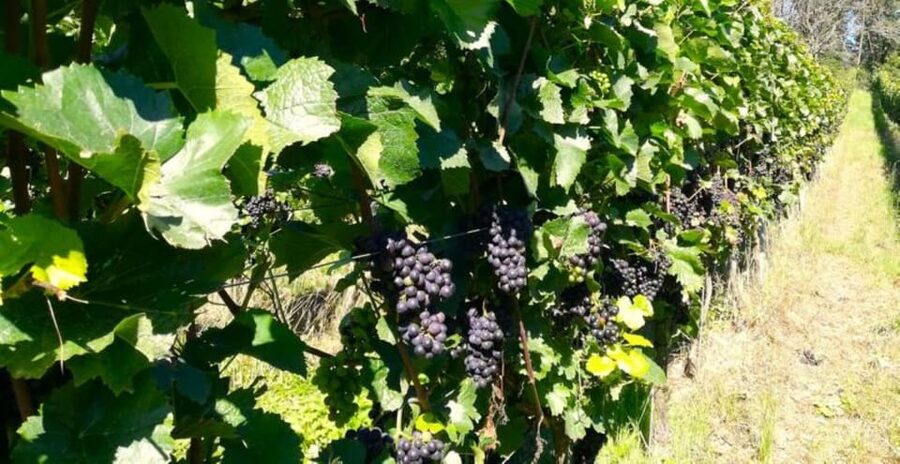
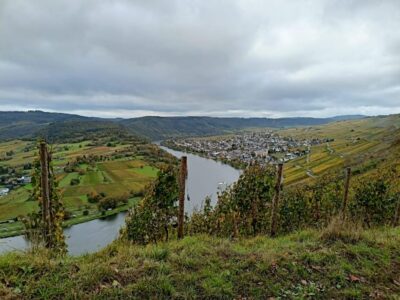
As you rise through the vineyard, the view opens across the Moselle valley. The return route is rewarded with a broad outlook toward Koblenz, giving the day a strong visual finish.
The view is not just a backdrop for photographs. It helps you understand the geography discussed during the tour. From above, the relationship between river, slopes, vineyards, and city becomes easier to see. You can connect the terrain to the farming decisions explained earlier.
The return to Weingut Lunnebach completes the loop. Since the walk is leisurely, the outing should feel more like a countryside excursion than a workout. Still, the uphill section and three-hour duration mean that you should be comfortable standing and walking for a sustained period.
The rain-or-shine policy is worth noting. A cloudy or wet day may change the views and make the path less comfortable, but the tour does not depend entirely on perfect weather. Much of its content comes from the guide’s explanations, the vineyards, and the habitats along the route.
How Bernd Doetsch shapes the experience
The guide can make or break a small wine tour. Bernd Doetsch receives especially strong praise for being lively, attentive, and able to explain regional wine, flora, fauna, and local history in an engaging way.
His style appears to favor frequent observations and an open question period. That is useful for people who dislike stiff, scripted tours. You can ask about wine or move into related subjects, and the guide is willing to respond beyond the narrow tasting menu.
The organization also receives strong marks. The overall rating is 5 out of 5 from 14 reviews, with repeated praise for the informative presentation, smooth planning, and generous serving of wine. One group described the tour as a team event and found it both friendly and genuine.
These comments do not remove the need to choose carefully. The tour’s success depends on your German ability and your interest in a slow outdoor experience. If you want a bilingual explanation, a bus transfer, or a large meal, this is not the right format.
Who should book this $30 vineyard walk?
I would recommend this tour to you if you want a close look at the Moselle wine-growing tradition without spending a full day on a formal wine route. It is particularly suitable for:
- People who understand German and enjoy guided local experiences
- Wine drinkers who want to connect tasting with soil, slope, and vineyard work
- Nature lovers interested in plants, insects, birds, reptiles, and rural habitats
- Visitors who prefer a gentle walk to a strenuous hike
- Small groups, couples, and teams looking for an easy shared activity
You should think twice if you have mobility limitations, use a wheelchair, or dislike uphill paths. The route is not suitable for wheelchair users or people with mobility impairments. You should also skip it if you need an English-language guide.
Book with comfortable clothing and shoes. Keep the rain-or-shine policy in mind, and allow the full three hours rather than treating this as a quick tasting stop. Free cancellation is available up to 24 hours before the activity, and you can reserve now and pay later, which helps if your Koblenz schedule is still shifting.
Should you book the Living Vineyard experience?
Yes, if you want your Moselle wine tasting to include a walk, a view, and a clear sense of how nature shapes the vineyard. The strongest reasons to book are the modest $30 price, the four included drinks, the steady pace, and Bernd Doetsch’s lively guiding style.
I would not choose it for a luxury meal, an English presentation, or a strenuous outdoor adventure. But for a German-speaking visitor who wants an affordable, thoughtful afternoon near Koblenz, this is a well-balanced choice. You leave with more than a taste of Riesling. You gain a better sense of the soil, slopes, wildlife, and human work behind the bottle.
FAQ
Where does the tour begin and end?
The tour begins and ends at Weingut Lunnebach.
How long does the experience last?
The experience lasts three hours.
How far do you walk?
The trail is about three kilometers long and includes a leisurely uphill section.
Is the tour conducted in English?
No. The live guide conducts the tour exclusively in German.
What drinks are included?
You receive one welcome Secco and three selected wines from the winery’s cellar.
What should you wear?
Wear comfortable shoes and comfortable clothes. The tour takes place rain or shine.
Is the route suitable for wheelchair users?
No. The experience is not suitable for wheelchair users or people with mobility impairments.
What kinds of nature can you learn about?
The guide discusses flowers, herbs, insects, reptiles, mammals, and birds, as well as the different habitats around the vineyard.
Can you cancel for a refund?
Yes. You can cancel up to 24 hours in advance for a full refund. You can also reserve now and pay later.
Just added around the world
- Wuerzburg: Vineyard rally with wine tasting and group dynamics★ 4.8 · 6 reviews
- Winery Visit & Tasting near Grosseto with 6 wines★ 4.8 · 6 reviews
- Yolo: Vineyards, Farms & Cultural Gems – Audio Driving Tour★ 4.3 · 5 reviews
- Xalo: Vineyard Tour with Wine Tasting and Snacks★ 4.9 · 8 reviews
- Woodinville Wine Country: Downtown Wine Tasting Pass★ 4.4 · 2 reviews
- Winery Visit and Tasting in Elche with wines and tapas from Alicante in Van★ 5.0 · 9 reviews
- Winery Visit & Tasting on the Volcanic Slopes near Catania★ 5.0 · 2 reviews
- Winery, Tastings & 4×4 Vineyards: Half-Day Trip from Lisbon★ 5.0 · 4 reviews
Germany Vineyard Tours, compared.
Small Group Rheingau Vineyards Tour with Castles and Abbeys
Our review →
Kröv, Mosel: Covered wagon ride through the vineyards with wine tasting
Our review →
Get Pfalzed – wine tour to unique wine region to taste Red wines
Our review →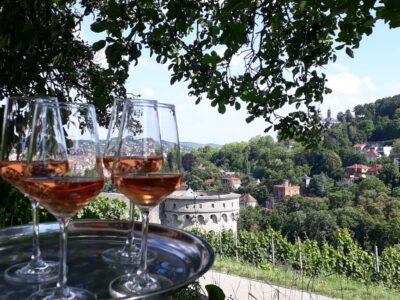
Wuerzburg: Vineyard rally with wine tasting and group dynamics
Our review →Every list this estate visit appears in