
REVIEW · ITALY
Verona: Montresor Winery Visit with Wine Tasting and Snacks
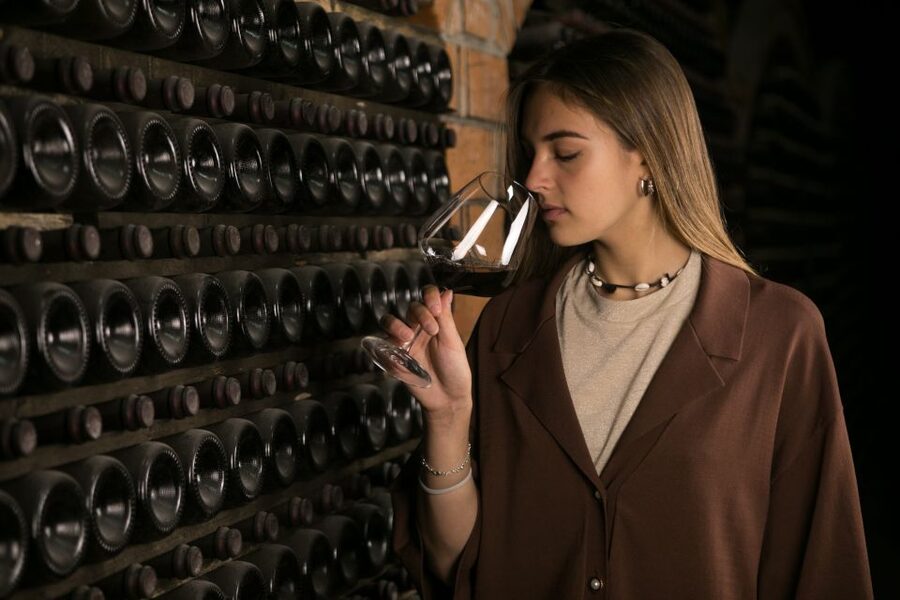
Wine can tell Verona’s story. At Montresor Winery, just outside the old center, a 90-minute guided visit links the city’s past with Valpolicella winemaking, grape drying, and a generous tasting at the end. I like the museum and aroma room, which give the visit more shape than a basic drink-and-leave stop. I also like the choice between bold Valpolicella reds and Lake Garda whites.
The main consideration is transport. The winery is easy to reach by bus, taxi, or car, but it is not in Verona’s historic core. I would also confirm the snack selection when booking, since the advertised bread, olive oil, salami, and cheese has not always matched what every group received.
Key points to know before you go
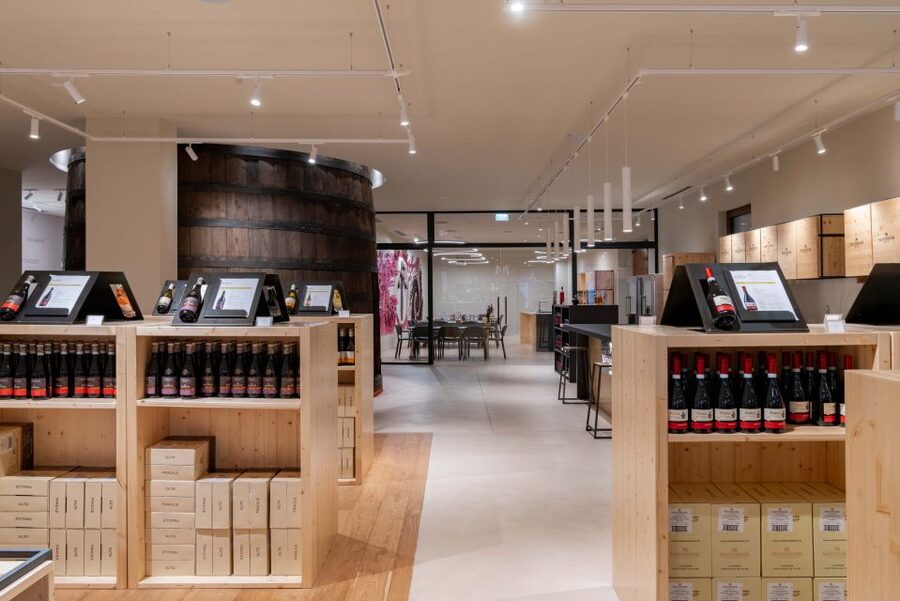
- A short trip from central Verona: Reach the winery by taxi from the Arena, or take buses 21 or 93 from Castelvecchio Castle. Parking is available.
- Two tasting paths: Choose five Valpolicella reds, including styles leading up to Amarone Riserva, or four Lake Garda white wines.
- More than a tasting room: The visit includes a museum, old winemaking tools, an interactive aroma room, and the barrel room.
- Appassimento takes center stage: You see how selected grapes are dried before they become Amarone.
- Strong guide-led experience: Guides including Emma, Leonardo, Silvia, and Emmanuele have been praised for clear explanations, humor, and enthusiasm.
- Good value at $34: The price includes the 1.5-hour visit, wine, snacks, and a discount on bottle purchases, though transportation is separate.
Why this winery visit works well in Verona
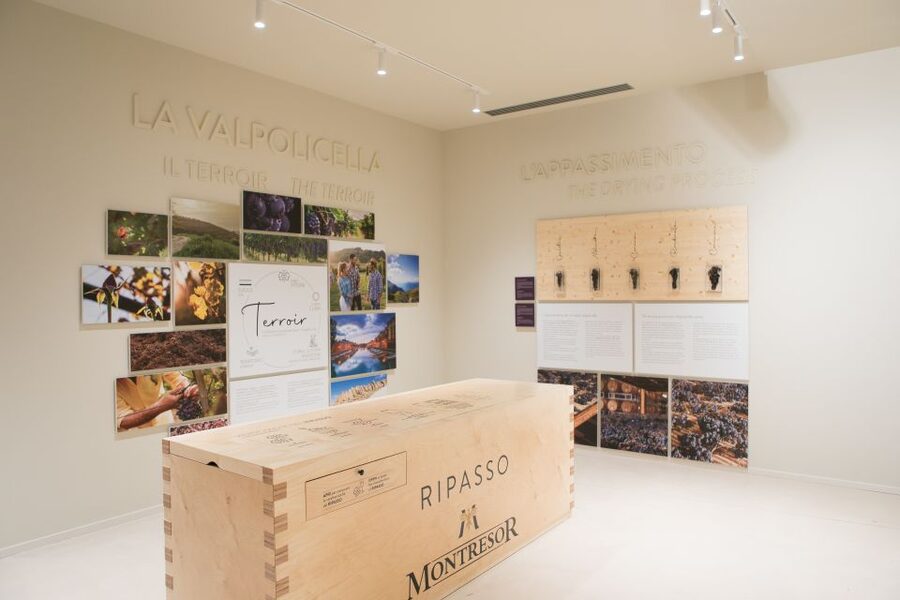
Many wine tastings ask you to sit down, hear a few facts, and sample several glasses. Montresor adds a useful sense of place before the wine reaches your table. You learn how a Verona-area producer works, then taste the result with a better idea of what is in your glass.
That extra context matters most if Amarone is new to you. The visit explains the role of the Valpolicella area, the difference between Valpolicella Classico, Ripasso, and Amarone, and how grapes change from harvest to drying. You do not need to be a wine expert. The explanations are aimed at curious beginners, while the tasting gives experienced drinkers enough detail to compare styles.
I also like the manageable length. At 1.5 hours, this can fit into a busy Verona day without swallowing an entire afternoon. You can visit the Roman Arena, have lunch, and still make room for a winery stop. The shorter format also suits people who want wine culture without committing to a full countryside excursion.
The trade-off is that this is an urban winery experience, not a day among vineyard rows. You will see production areas, aging rooms, and displays, but the setting is just outside the city. If your ideal wine day means rolling hills and rural estates, you may prefer a trip farther into the Valpolicella countryside.
More Winery Tours in Italy
- Chianti Delights: A Tale Of Two Wineries With A Vineyard Dinner
★ 4.0 · 324 reviews - Private tour of Etna and Winery Visit with Food and Wine Tasting from Taormina
★ 5.0 · 221 reviews - Verona: Vineyard and Winery Tour with Wine Tasting
★ 4.8 · 112 reviews
Getting from Verona’s center to Montresor
The winery sits just outside Verona’s historic center and is practical to reach. From the Arena, a taxi is the simplest choice. By public transport, buses 21 and 93 leave from Castelvecchio Castle, with the stop located opposite the castle entrance. One useful detail is that a bus stop is close to the winery, making this a realistic option if you do not have a car.
Allow extra time for the journey. The winery is roughly 15 minutes from central Verona by car or taxi, though traffic and waiting time can change that. I would not schedule the tour too tightly against a train, museum reservation, or opera performance.
Driving is also possible, since parking is available at the winery. Transportation is not part of the $34 price, so include your taxi, bus, or fuel costs when comparing this with a countryside wine tour. The location is especially handy on a hot or rainy day because most of the experience takes place indoors under controlled conditions.
The museum connects Montresor to Verona
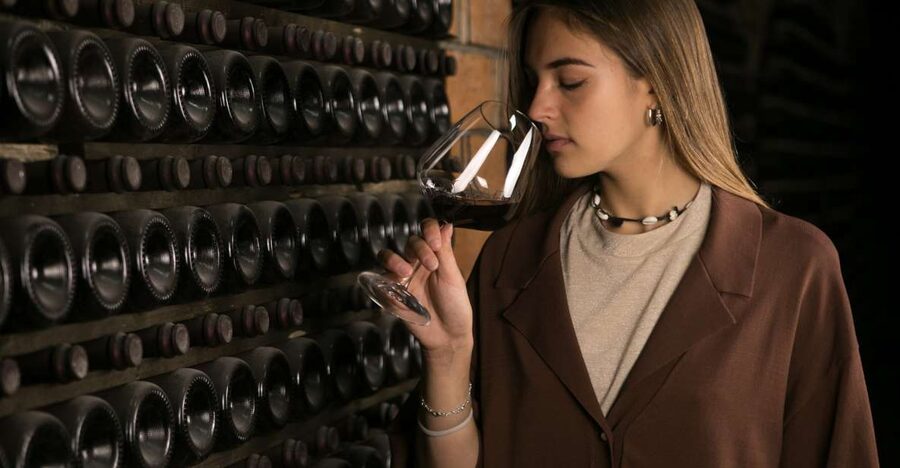
The tour begins in the winery museum. Here, the story of the Montresor family is set alongside Verona’s development from the late 1800s to the present. Original winemaking tools help make the history concrete, rather than leaving you with a string of dates and family names.
This opening section gives you a reason to care about the bottles later. You see how a winery has kept its identity while adapting through major historical changes. The displays also explain the work behind the label, which is useful if you normally meet wine only at a restaurant table.
The museum has been recently renovated and designed as a walk-through area. It is modern rather than rustic, a point worth knowing before you arrive. One visitor found there was not quite enough time to read every display, so if the historical material interests you, pay attention as the guide moves through the rooms and ask questions along the way.
The guided format is one of the strongest parts of the visit. Emma has led the museum section with humor and a quiz, while other guides have been praised for making the winery’s past easy to follow. The best guides do not simply recite information. They connect the family story, the local area, and the practical work of producing wine.
The aroma room turns tasting into a game
After the museum, you enter an interactive sensory room. Here you try to identify aromas associated with the wines. This is a small feature, but it gives the visit a playful change of pace.
It also helps you understand why sommeliers talk about notes of fruit, flowers, spices, or dried fruit. You may not identify every scent correctly, and that is part of the fun. The activity reminds you that tasting is not a test you can fail. It is a way to notice more.
For a first-time wine taster, this room can make later descriptions easier to understand. For an experienced drinker, it offers a quick challenge before the formal tasting. Children are not permitted, so the experience is designed for adults, but it does not require a technical background.
More winery tours around Italy:
- Chianti: Vineyard to Bottle Winery Visit with Tastings
★ 4.8 · 71 reviews - Exclusive Winery Tour with Tasting and Dinner in Chianti vineyard
★ 4.5 · 49 reviews - Montepulciano: Winery Tour, Tasting, and Vineyard Picnic
★ 4.8 · 43 reviews - Winery Visit on Parma Hills & Wine Tasting with Food Platter
★ 5.0 · 26 reviews
Valpolicella, Ripasso, and Amarone explained clearly
The educational heart of the tour is the explanation of Valpolicella wines. You see grapes at different stages, from harvest through drying, and learn how local conditions and production methods shape the final styles.
Valpolicella Classico, Ripasso, and Amarone are not treated as interchangeable red wines. The guide explains the differences in process and character, with special attention to the grape-drying method used for Amarone. This is called appassimento, and it is one of the most important ideas to understand before tasting the wines.
The drying process concentrates the grapes before fermentation. At Montresor, the barrel room and displays help you see that this is a long, deliberate process rather than a clever name on a label. You may also see grapes drying during the visit, depending on the season and production schedule.
This explanation is particularly valuable because Amarone can be expensive in restaurants and wine shops outside Italy. Tasting it here, alongside other Valpolicella styles, lets you compare the wines rather than treating Amarone as an isolated luxury pour.
The barrel room shows where the wines rest
You pass beneath a historic barrel before entering the aging room. Large casks hold wines as they mature, and the room provides a more atmospheric part of the experience after the modern museum displays.
A full-wall historical mural adds a strong visual element. It is unique to this winery and gives the barrel room a clear sense of identity. The mural is not just decoration: it helps tie the working cellar to the company’s past.
The room also brings the production process back to earth. Wine tasting can become abstract when the discussion stays with aromas and flavor notes. Seeing the casks and grape-drying area reminds you that wine is also storage, timing, space, and careful handling.
Access is not perfect for everyone. Some parts of the route may be difficult for people with reduced mobility or other disabilities. Ask the provider about current access needs before booking if this is important for you.
Choose between five reds and four whites
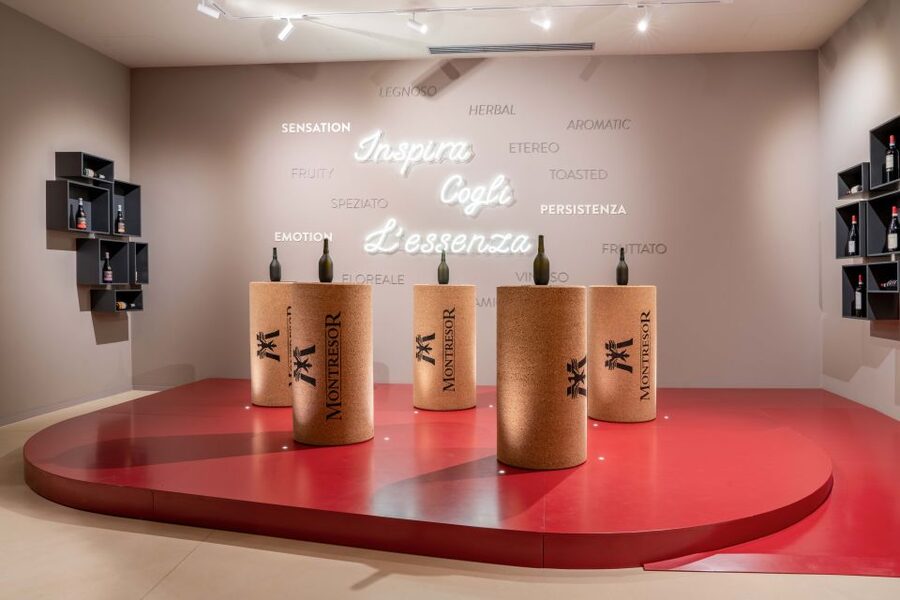
The tasting is held at the end with a wine specialist. You choose your style in advance: the Valpolicella red option includes five glasses, while the Lake Garda white option includes four.
The red tasting is the more natural choice if you want the full Valpolicella story. It can include wines progressing toward Amarone Riserva, giving you a chance to compare lighter and more structured expressions. The guide explains each pour, and the tasting becomes much more useful after the museum and cellar visit.
If you prefer fresh, elegant wines, select the Lake Garda whites. This option shifts attention from the powerful red wines of Valpolicella to white wines associated with Lake Garda. It is a good choice for anyone who does not usually enjoy heavy reds or who wants a different picture of Veneto-area wine.
The tasting pace appears to be guided rather than rushed. Leonardo has been praised for describing the wines in an evocative but clear way, while Emmanuele has also received strong praise for his presentation. The guide’s role matters here: a good explanation can show you what to look for without telling you what you are supposed to taste.
Snacks and bottle shopping
The stated pairing includes bread, olive oil, soppressa salami, and cheese. That combination would make the tasting feel more like a light aperitivo than a series of small samples.
However, check this detail before you count on a full food pairing. Some groups received only breadsticks, and one specific report noted that the actual winery offering did not include the meat and cheese described on an outside booking page. The safest approach is to treat the snacks as a light accompaniment, not as lunch.
The winery shop adds value after the tasting. You can use the included discount on bottle purchases, and shipping is available. One visitor arranged for bottles to be sent home and received them within several days, with a small customs payment handled online. Shipping rules and costs can change, so ask the shop for current details before buying a large order.
The shop is useful if you taste something you cannot easily find at home. It also saves you from carrying every bottle through the rest of your trip, though you should still check your own country’s import rules.
Is $34 a fair price?
At $34 per person, this is good value for a 1.5-hour wine experience in Verona. The price covers the museum, sensory room, guided production visit, a specialist host, four or five wines, snacks, and a bottle-purchase discount.
The value is strongest if you want both education and tasting. A simple wine flight may cost less, but it will not usually include the museum, aroma activity, aging room, or explanation of appassimento. You are paying for the complete introduction to the winery, not just the alcohol.
The price is less compelling if you mainly want a large meal, vineyard views, or a long countryside outing. Transportation is extra, and the snack offering may be modest. Still, the cost compares well with many city wine experiences, especially since Amarone is included in the red tasting path.
Who should book this experience?
I would recommend Montresor to adults staying in Verona who want a focused introduction to local wine without spending a full day outside the city. It is especially suitable for first-time visitors who enjoy museums, guided tastings, and clear explanations.
It also works well for wine drinkers who have wondered what makes Amarone different. The chance to see grapes at various stages, learn about drying, and taste several related wines gives you useful context.
The experience is not suitable for children under 18, unaccompanied minors, pregnant women, or vegans. Minors must be accompanied by an adult, but the activity is specifically listed as unsuitable for children. The snack information also makes it a poor fit for anyone needing a vegan tasting.
Tours are offered in English and Italian. The activity requires at least two participants, so a solo booking may depend on another person joining. Free cancellation is available up to 24 hours in advance, and reserve-now-pay-later booking can help if your Verona schedule is still changing.
Should you book Montresor Winery?
Book it if you want a polished, indoor wine experience near Verona with a real educational backbone. The guides bring warmth and humor, the aroma room adds fun, and the cellar visit explains why Valpolicella and Amarone taste the way they do.
Skip it if you are seeking vineyard scenery, a full meal, or a long rural escape. For $34, though, Montresor offers more than four or five glasses. You leave with a clearer idea of Verona’s wine culture, and perhaps a bottle or two for the trip home.
FAQ
Where is Montresor Winery?
Montresor Winery is in Veneto, just outside Verona’s historic center. You can reach it by taxi from the Arena, by buses 21 or 93 from Castelvecchio Castle, or by car. Parking is available at the winery.
How long does the winery visit last?
The guided experience lasts about 1.5 hours. Starting times vary, so check availability when booking.
What wines can I taste?
You can choose Valpolicella red wines or Lake Garda white wines. The red option includes five glasses and may include wines through Amarone Riserva. The white option includes four glasses.
Is food included with the wine?
Wine-pairing snacks are included. The stated selection is bread, olive oil, soppressa salami, and cheese, but some groups have received breadsticks only. Confirm the current snack offering if food is important to you.
Are tours offered in English?
Yes. Live guided tours are available in English and Italian.
Can children join the experience?
Children under 18 are not suitable for this activity. Minors must be accompanied by an adult, and unaccompanied minors are not allowed.
What happens if I need to cancel?
You can cancel up to 24 hours in advance for a full refund. Reserve-now-pay-later booking is also available. In severe weather or other unforeseen circumstances, a full refund is not guaranteed, and the provider considers each case individually.
Just added around Italy
- Winery Visit & Tasting near Grosseto with 6 wines★ 4.8 · 6 reviews
- Winery Visit & Tasting on the Volcanic Slopes near Catania★ 5.0 · 2 reviews
- Wine tour and lunch or dinner at our vineyard★ 4.6 · 15 reviews
- Winery Visit on Parma Hills & Wine Tasting with Food Platter★ 5.0 · 26 reviews
- Wine Tasting and Winery Visit near Asti and Turin★ 4.5 · 5 reviews
- Wine tasting under the Stars in the vineyards of Agrigento★ 5.0 · 3 reviews
- Walk through our vineyard and aperitif★ 4.7 · 19 reviews
- Volterra: Aperivintage aperitif in vineyard whit a Fiat 500★ 5.0 · 7 reviews
Winery Tours, compared.
Saint-Émilion: Grand Cru Classé Winery Visit and Tasting
Our review →
Montserrat Full Day Tour with Farmhouse Lunch and Winery Visit
Our review →Montserrat & Winery Visit Tour with Traditional Farmhouse Lunch
Our review →
Saint Emilion Half-Day Trip with Wine Tasting & Winery Visit from Bordeaux
Our review →
Chianti Delights: A Tale Of Two Wineries With A Vineyard Dinner
Our review →
Saint-Emilion: Grand Cru Classé Guided Winery Visit & Picnic
Our review →
Douro Valley for Wine Lovers with Visit to 4 Wineries and Lunch
Our review →Every list this estate visit appears in