
REVIEW · FRANCE
Let’s take a walk in the vineyards
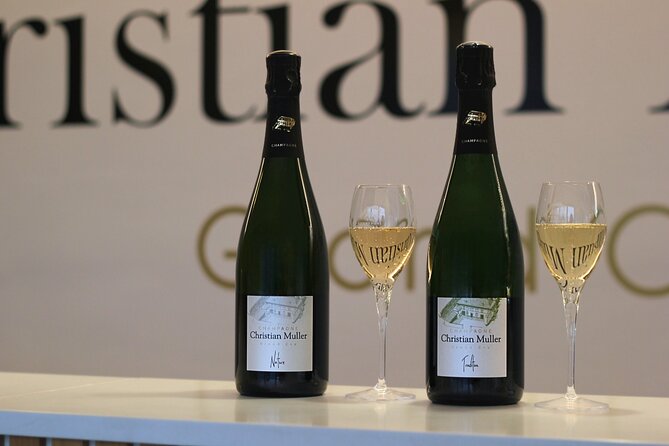
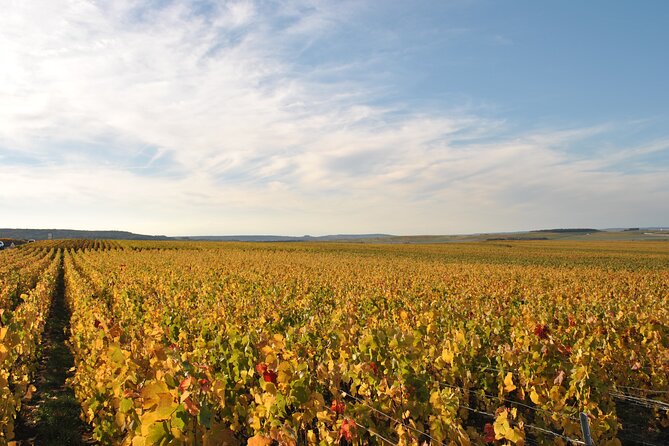
Champagne begins in the vineyard, not the glass. This 90-minute walk at Champagne Christian Muller in Mailly-Champagne puts the Grand Cru terroir first, then finishes with two champagnes and a taste of champagne ratafia. I like the clear focus on how the vines change through the year, and I like the chance to connect each glass with the soil and work behind it. The main drawback is that the tasting room has been described as a little tired and plain.
The tour also gets strong marks for personal guiding. Lydie has been praised for her passion, practical explanations, and helpful suggestions for seeing more of the Champagne region. At $28.66 per person, I see this as a sensible choice if you want more than a quick cellar tasting, though the experience depends on good weather and includes only a short walk.
Key things to know before you go
- The walk takes place in Mailly-Champagne: The meeting point is 35 Rue de la Libération, about a short trip from Reims.
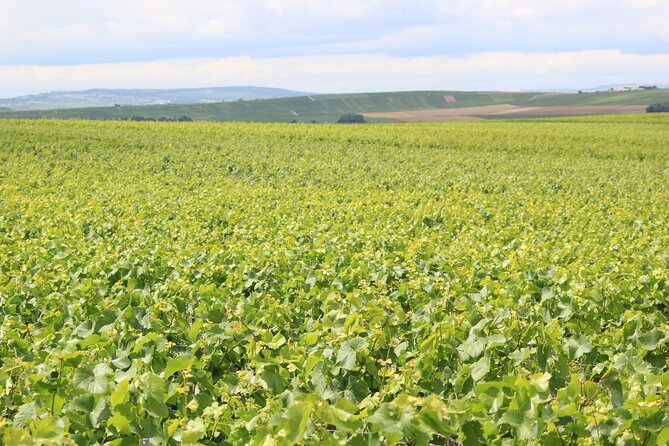
- Grand Cru vineyards are the main subject: You learn why individual plots matter and how soil and terroir shape Champagne.
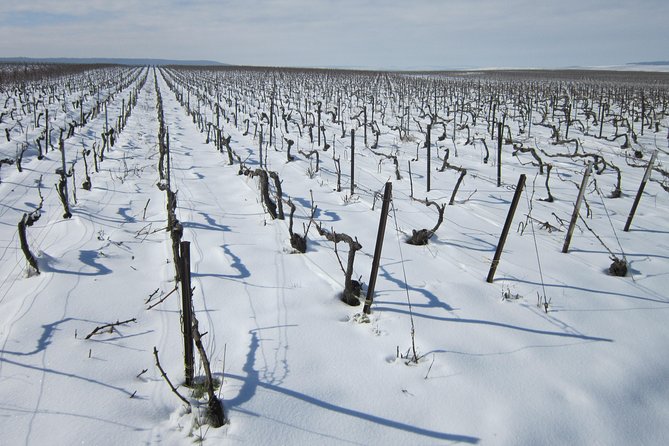
- Seasonal vineyard work gets explained: Pruning, growing, harvest, and the changing needs of the vines all form part of the tour.
- The tasting includes three regional drinks: You receive two champagnes and Champagne ratafia after the guided walk.
- Lydie may be your guide: She has been praised for clear, concrete explanations and useful advice about the wider area.
- Groups are capped at 20 people: That keeps the walk fairly manageable, though a smaller group may offer more time for questions.
Why this vineyard walk is worth your time
Many Champagne visits begin with a bottle, a cellar, and a tasting table. This one starts outdoors, where the real work happens. You walk among the vines and learn how the plants are cared for from pruning through harvest, then use that new context while tasting the finished wine.
That order makes good sense. Champagne can seem mysterious when you only hear about blending, aging, and bubbles. Here, you first look at the source: the vines, their plots, the soil, and the choices made during the growing season. The tasting then becomes less of a quick drink and more of a way to apply what you have just learned.
I especially like the focus on the word terroir. In Champagne, that idea is not just a fancy label. It concerns the character of a place, including its soil, vineyard plot, exposure, and the way the grapes are cultivated. The guide explains why each plot at Christian Muller matters, giving you a better sense of why Champagne producers do not treat every parcel as identical.
The tour lasts about an hour and a half. That is long enough to cover the vineyard work and tasting without taking half a day from your schedule. If you are staying in Reims, you will need to allow time to reach Mailly-Champagne, but the setting gives you a more direct connection to the wine-growing side of the region.
More walks through the vines around France:
- Saint-Émilion: Vineyard Walking Tour and Tasting
★ 5.0 · 404 reviews - Gourmet walk in the heart of the vineyards with Champagne tasting near Epernay
★ 5.0 · 45 reviews - Champagne tasting, panoramic walk in the vineyards
★ 5.0 · 42 reviews
Starting at 35 Rue de la Libération
Your visit begins at Champagne Christian Muller, at 35 Rue de la Libération in 51500 Mailly-Champagne. The activity also ends there, so you do not need to arrange a second pickup point or figure out where the tasting finishes.
The information provided does not include transportation from Reims. Plan your route to the meeting point before booking, and give yourself enough time to arrive without rushing. The location is in the Champagne wine area rather than central Reims, which is important when building your day.
The meeting point also gives the experience a useful local feel. You are not simply being shown a polished visitor display. You are going out into the working vineyards connected with the producer, where the conversation centers on actual plots and seasonal tasks.
The group can include up to 20 people. That is a reasonable maximum for a guided walk, although the quality of the visit may feel different depending on the group size. One particularly good visit had only two people, which allowed Lydie to give them plenty of attention. You cannot count on that kind of private treatment, but it shows the benefit of asking questions if your group is not full.
Walking through the vines and seasons
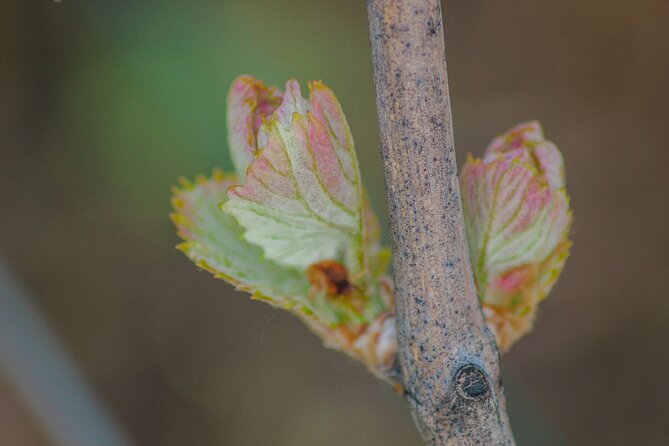
The core of the experience is the vineyard walk. You learn how vines are managed during the year, beginning with pruning and continuing through growth and harvest. The guide explains what changes from season to season and why the work matters to the grapes that eventually become Champagne.
Pruning is an especially useful subject for a short vineyard tour. It helps you see that the vine is not simply left to grow on its own. The shape, balance, and care of the plant all affect the fruit. Even without a long technical lesson, this gives you a better understanding of the labor that comes before pressing and fermentation.
The tour also covers the soil and terroir of the Grand Cru area. The point is not only to admire rows of vines. You learn why one plot is treated as a distinct treasure and how the character of the place forms part of the wine’s identity.
This is where the tour should suit curious first-time visitors particularly well. You do not need a background in wine. The guide’s job is to explain the process in ordinary terms and connect each part of the work to something you can notice later in the glass.
The walk has been praised for concrete explanations rather than vague descriptions. That matters. A vineyard tour can easily become a string of broad claims about tradition and quality. Here, the useful details concern how the vines work, how the growers respond through the seasons, and what makes Champagne different from other wine regions.
The setting is also part of the appeal. You get time among the vines instead of remaining indoors for the entire visit. If the weather is pleasant, this should be a relaxed way to spend part of an afternoon. Wear shoes suitable for walking outside, since the experience is built around a vineyard stroll rather than a seated presentation.
Learning how Champagne is made
After discussing the vines, the guide turns to the art of Champagne making. The supplied details do not provide a full step-by-step production schedule, so you should not expect a long technical cellar course. Still, the tour connects vineyard decisions with the wider winemaking process and explains the techniques that give the region its character.
That connection is the real value. When you taste Champagne without context, it is easy to focus only on sweetness, bubbles, or personal preference. After hearing about the grapes and the work behind them, you can think about the drink as the final stage of a long process.
The visit also includes the story of the Christian Muller house. The available details do not spell out specific dates or family milestones, but the guide includes the producer’s story as part of the tour. That adds a human element to the lesson and keeps the visit tied to a real Champagne house rather than to the region in general.
I would approach this as a compact introduction, not an advanced wine course. The 90-minute schedule has to cover the vineyard, seasonal work, Champagne production, house background, and tasting. You will gain a practical framework for understanding Champagne, but you should not expect every technical question to receive a long answer.
A few more vineyard visits around France worth a look
- Saint-Émilion: Grand Cru Classé Winery Visit and Tasting
★ 4.6 · 1,118 reviews - Saint Emilion Half-Day Trip with Wine Tasting & Winery Visit from Bordeaux
★ 4.5 · 1,034 reviews - Saint-Émilion: Bordeaux Vineyard Tour and Wine Tasting
★ 4.8 · 578 reviews - Bordeaux: Vineyards Wine Tasting Half-Day Trip
★ 4.2 · 470 reviews
Tasting two champagnes and Champagne ratafia
The visit ends with a tasting of two champagnes and the house’s champagne ratafia. This is included in the $28.66 price, so you do not need to pay an extra tasting fee after the walk.
The two cuvées give you a chance to compare wines from the producer. The supplied information does not identify the exact cuvées, grape varieties, vintages, or sweetness levels, so it would be unfair to promise a particular style. What you can expect is a guided tasting meant to put the vineyard lesson into practice.
Champagne ratafia adds a different note to the tasting. It is not simply another sparkling wine, and its inclusion broadens the visit beyond the standard two-glass format. Since you have already heard about the grapes and the work of the house, the tasting can help you notice how the finished products differ.
One practical point: purchases of additional cuvées are not included, but you can buy bottles separately if you want to take something home. That gives you an optional souvenir without building a required purchase into the tour. I appreciate that distinction. You can enjoy the included tasting and leave without spending more, or choose to buy a bottle because you found a style you liked.
The tasting room itself may not be the most polished part of the visit. One detailed assessment called it a little worn and not especially welcoming. Keep your expectations realistic: the strength of this experience is the outdoor vineyard explanation and the direct contact with the producer’s work, not a glossy hospitality setting.
The guides make a real difference
The guide can shape this experience more than any other single detail. Lydie has received praise for being passionate about the work and for explaining the vineyards in a clear, practical way. She also offered suggestions for other places to visit in Champagne, which can be helpful if you are still planning your days in the region.
Justine has also been associated with a warm welcome and an enjoyable vineyard route. The available comments describe the walk as attractive and the Champagne as excellent, with explanations that felt concrete rather than rehearsed.
You should feel free to ask questions during the walk. The small-group format may allow a good exchange, especially if fewer than 20 people book that time. If the group is full, the guide will need to keep the tour moving, but the 90-minute length should still allow room for the main topics.
The praise here centers on personal attention and passion for the work. That is a strong reason to choose this experience over a large, highly commercial Champagne stop. You are meeting people connected to the vineyard and hearing about the choices that shape their wine.
Is $28.66 a fair price?
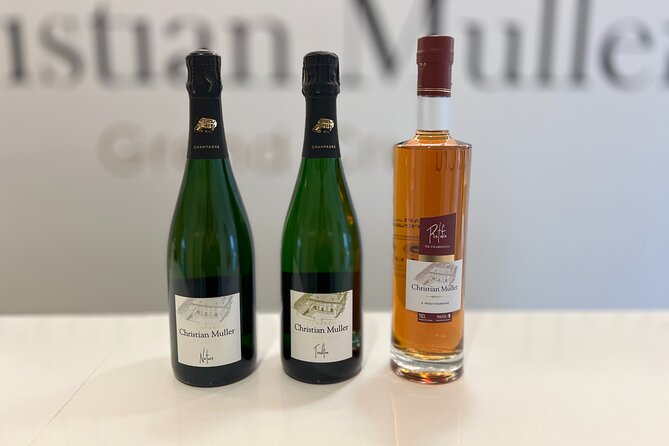
At $28.66 per person, this tour offers a good value for a short, focused Champagne experience. You receive a guided vineyard visit, instruction about seasonal vine work and Champagne production, and three alcoholic samples in total: two champagnes and Champagne ratafia.
The price is especially reasonable if you want to understand the region rather than simply order a glass. A basic tasting can introduce you to the producer’s wines, but this walk explains what comes before the bottle. You also get a better sense of why Grand Cru plots command attention.
The value is less clear if you are mainly looking for an elegant tasting room or a long cellar tour. The experience lasts only about 90 minutes, the tasting area may feel plain, and the exact wine lineup is not specified. You are paying for the vineyard lesson and the guided connection between place and wine.
I would compare it with the cost of a casual Champagne tasting, then ask what kind of afternoon you want. If you want fresh air, local detail, and an introduction to vineyard work, the price is easy to justify. If you want a major production facility, elaborate interiors, or a large selection of cuvées, this may feel modest.
Weather, access, and booking details
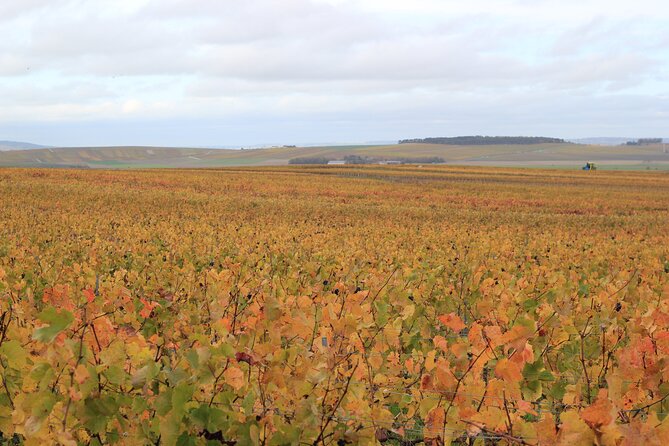
Good weather is required, since the experience includes a walk through the vineyards. If poor weather causes a cancellation, you will be offered another date or a full refund. That policy is useful, but you should still avoid placing this tour in the most weather-sensitive part of a tightly packed day.
Most people can participate, and service animals are allowed. No special physical requirement is listed, but remember that the activity involves walking outside. If you need a particular accommodation beyond the stated information, contact the provider before booking.
You receive confirmation within 48 hours of booking, subject to availability. The tour is often booked around nine days ahead, so I would avoid leaving it until the last minute if your schedule in Reims is fixed.
Free cancellation is available up to 24 hours before the start time for a full refund. Changes or cancellations made less than 24 hours before the start are not accepted for a refund. Cut-off times use local time in France, so check the clock carefully if you are making changes from abroad.
Who should book this Champagne experience?
I would recommend it to you if you want a straightforward introduction to Champagne’s vineyards and prefer a small producer setting over a large visitor complex. It is also a good match if you enjoy learning how food and drink are made, since the tour spends real time on seasonal vineyard work.
Wine beginners should find the format approachable. You do not need to know the difference between every Champagne style before arriving. The guide explains the basic ideas first, then gives you a chance to connect them with the tasting.
It can also work well for couples and small groups. The visit with only two people received especially warm praise because the guide could give them full attention. Larger groups can still participate, but the maximum of 20 means the experience will not always feel intimate.
I would think twice if you dislike outdoor walks, need a highly polished tasting room, or want a long technical lesson on production. The tour is compact and practical. Its charm comes from the vines, the explanations, and the people who work with the property.
Should you book the vineyard walk?
Book this experience if you want to understand Champagne from the ground up. The strongest parts are the Grand Cru vineyard setting, clear explanations of seasonal work, and a tasting that includes two champagnes plus ratafia. Lydie and Justine’s warm, personal approach adds to the appeal.
Skip it if you are searching for a grand cellar tour or a dressed-up tasting lounge. The room may feel a little worn, and the tour depends on good weather. For most visitors with an interest in wine, though, $28.66 is a fair price for a useful 90-minute lesson in how Champagne begins.
FAQ
Where does the vineyard tour begin?
The tour begins at 35 Rue de la Libération, 51500 Mailly-Champagne, France.
Where does the activity end?
The activity ends back at the meeting point in Mailly-Champagne.
How long does the experience last?
The experience lasts approximately 1 hour and 30 minutes.
What is included in the tasting?
The tour includes two champagnes and Champagne ratafia, along with the guided vineyard tour.
Can I buy additional Champagne?
Yes. You can purchase additional cuvées at an extra charge.
What happens if bad weather cancels the tour?
If the experience is canceled because of poor weather, you will be offered a different date or a full refund.
Just added around France
- Vineyard of the Alpilles by bike★ 4.6 · 8 reviews
- Vosne-Romanée: Private Vineyards Walking Tour with Tasting★ 4.4 · 9 reviews
- Vineyard tour and wine tasting in Davron★ 4.5 · 7 reviews
- Private Vineyard Tour and Wine Tasting in Bandol★ 5.0 · 16 reviews
- Vineyard visit in Gyropode, visit of Cave & Tasting Wines of Bandol★ 5.0 · 19 reviews
- Bike ride on the Wine Route from Sélestat★ 5.0 · 5 reviews
- Horse riding in the vineyards of Grimaud + wine tasting★ 5.0 · 3 reviews
- 1/2 day private Vintage tour, vineyards of Saint-Tropez★ 5.0 · 6 reviews
Walking Tours, compared.
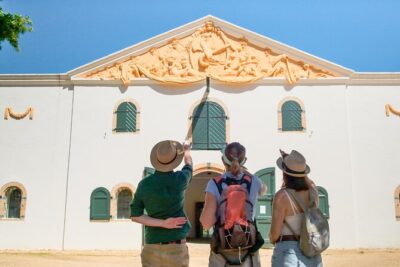
Constantia Wine Walk Storytelling Vineyard Tour with Lunch
Our review →
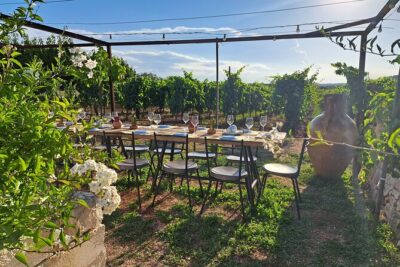
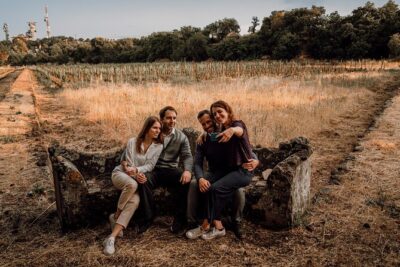
Etna Urban Winery – Sunset vineyard Walk and Tasting Dinner
Our review →
Etna Urban Winery, Vineyard Walk & Sunset Tasting Dinner
Our review →
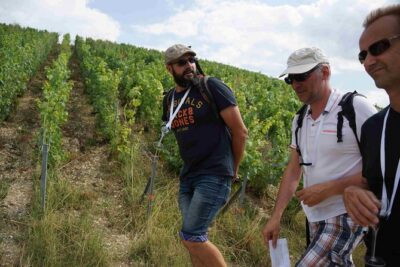
Gourmet walk in the heart of the vineyards with Champagne tasting near Epernay
Our review →Every list this estate visit appears in