
REVIEW · ITALY
Verona: Vineyard and Winery Tour with Wine Tasting
Wine country is just outside Verona. At Tenuta Santa Maria Valverde, you trade the city’s Roman arena and busy piazzas for vineyard paths, an old cellar, family stories, and a terrace facing the Valpolicella hills. I especially like the five-generation family connection and the clear focus on traditional wine making, including the drying of Amarone grapes. The tasting also comes with local cheese, salami, bread, chutney, and olive oil, so this is more than three glasses at a counter.
The main thing to consider is the timing. The advertised visit lasts two hours, but several visits ran longer, sometimes closer to three hours or more. That is pleasant if you want an unhurried morning, but you should not schedule a train, museum entry, or lunch immediately afterward.
Key points before you book
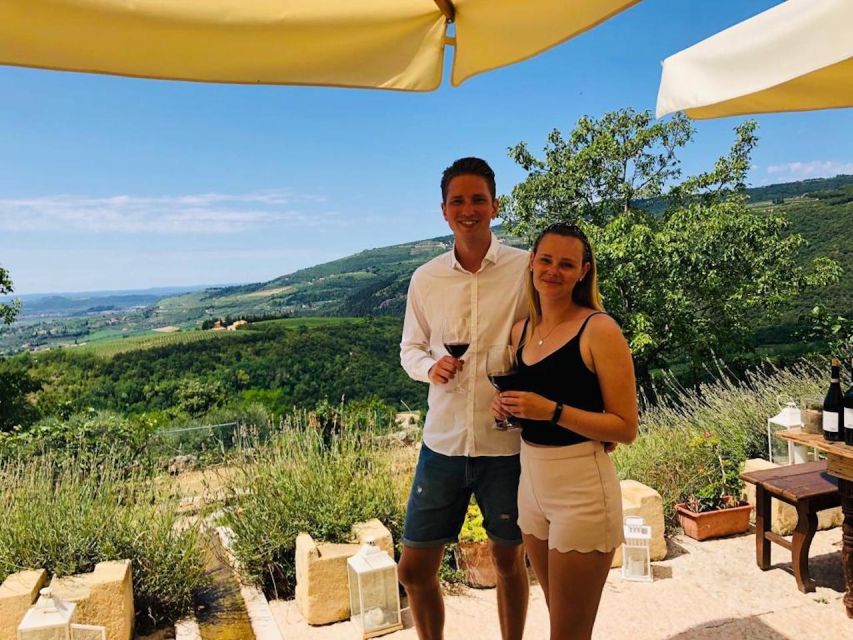
- A real family winery: Tenuta Santa Maria Valverde has been used for wine making since the 17th century and remains linked to five generations of the same family.
- Amarone takes center stage: You visit the traditional drying room and learn about appassimento, the process used to dry grapes before making Amarone.
- Three important local wines: The tasting centers on Valpolicella, Ripasso, and Amarone, with generous pours reported by several visitors.
- Food is part of the experience: Expect local cheeses, salami, bread, chutney, extra virgin olive oil, and other small bites rather than a full restaurant meal.
- The setting does much of the work: The terrace looks across the Valpolicella hills, with some views reaching toward Lake Garda and the surrounding mountains.
- Transport takes planning: The winery is in Marano di Valpolicella, not central Verona. Assistance with public transport or a private transfer can be arranged.
From Verona to the hills of Valpolicella
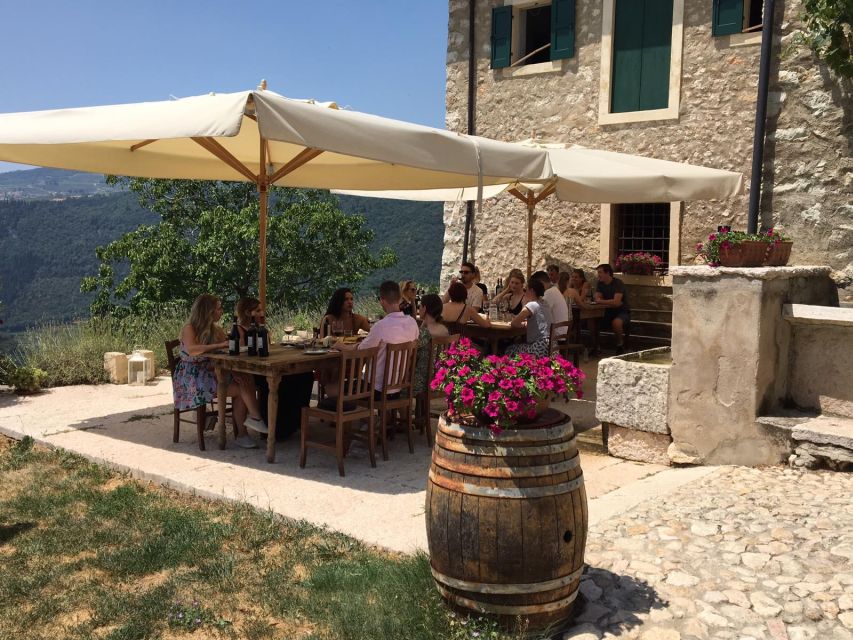
Tenuta Santa Maria Valverde is at Località Gazzo 4 in Marano di Valpolicella, in the Veneto countryside northwest of Verona. The trip matters because this is not a tasting room in the city. You are going into the wine-growing area itself, where the hills and estates help explain why these wines taste and age as they do.
The meeting point is the winery, so plan your route before the day begins. The company can help arrange a private transfer or public transport. Several people were collected from a bus stop, and one owner personally rescued a visitor who had boarded the wrong bus. That is a reassuring sign about the family’s hospitality, but I would still confirm your arrival point and pickup details in advance.
A taxi from Verona train station was reported at about €35 to €40 in an older visit. Treat that figure as a guide rather than a current fixed fare. If you use public transport, allow extra time for the rural setting and do not assume that the winery is a quick walk from a city bus stop.
Once you arrive, the pace changes. You are surrounded by vines, old buildings, and open views rather than traffic and tour groups. Some visitors were welcomed with coffee, while others met family dogs or puppies on the property. Those details are not part of the formal program, but they help explain why this feels personal rather than factory-like.
More Winery Tours in Italy
- Chianti Delights: A Tale Of Two Wineries With A Vineyard Dinner
★ 4.0 · 324 reviews - Private tour of Etna and Winery Visit with Food and Wine Tasting from Taormina
★ 5.0 · 221 reviews - Verona: Montresor Winery Visit with Wine Tasting and Snacks
★ 4.6 · 217 reviews
Walking the vineyard with the family story
The visit begins with a walk around the vineyard and an introduction to the estate. You hear about the family’s connection to the property and the work required to bring grapes from the vine into the cellar. One account noted that the owner’s father was still working in the vineyard at age 90, a striking detail that gives the five-generation claim some human scale.
This first section is useful even if you already know a little about Italian wine. You see the setting where the grapes are grown before anyone starts talking about labels or tasting notes. The guide can also place Valpolicella within the wider area of Verona and its three valleys.
The walk is gentle in spirit, but it is still an outdoor portion of the visit. Wear shoes that are comfortable on rural paths, especially if the ground is damp or uneven. The views are a major part of the appeal, so you will want time to look around rather than rush from one stop to the next.
The best guides make the family story feel connected to the wine. Jacopo, Claudia, Raquel, Ginevra, and other hosts have been praised for explaining the estate with warmth and patience. The guiding language is Italian and English, and the quality of the explanation can depend on who leads your session.
Why the Amarone drying room matters
The traditional drying room is the most distinctive stop on the visit. Here you learn about appassimento, the method of drying selected grapes before fermentation. This is one of the key steps behind Amarone, the powerful red wine associated with Valpolicella.
The value of seeing the room is that it makes the process concrete. Instead of hearing only that Amarone grapes are dried, you see the place where that work happens and learn how the process affects flavor and concentration. The guide also explains why different grape varieties produce different tastes.
That lesson helps you understand the wines later. Valpolicella, Ripasso, and Amarone are not simply three unrelated bottles. They belong to the same local wine tradition, but their production methods give them different weight, aroma, and character.
This portion is especially good for anyone who enjoys wine but feels unsure about the technical side. The explanations are designed to teach through the property itself, not through a long formal lecture. You will learn from the grapes, the room, and the winemaker’s account of the work.
Inside the 17th-century cellar
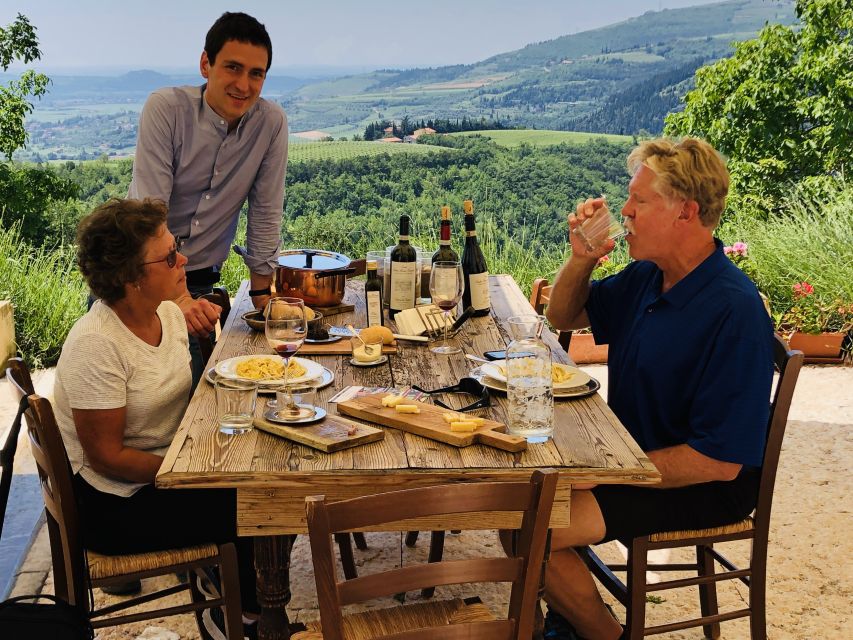
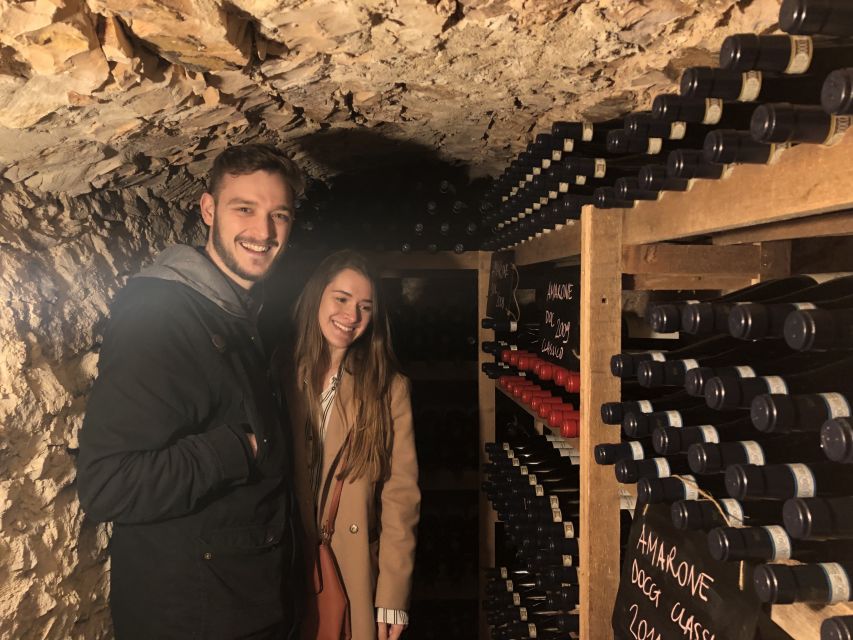
Next comes the rural house and cellar, a setting used for wine making since the 17th century. The old age of the building gives the visit a sense of continuity that a modern commercial winery cannot easily copy.
Do not expect a grand museum with displays at every turn. The appeal is more direct: you are seeing working family spaces connected to wine production. The cellar helps link the past to the current bottles on your table.
The guide explains wine making from grape to glass, including production and refinement. You can ask about the local grapes, the different styles of Valpolicella, and the family’s choice to retain traditional methods. The teaching has been praised for being detailed without losing the relaxed tone of a family visit.
One practical point is that the tour may not move at exactly the same pace for every group. One person reported waiting for the guide between tastings, while many others appreciated the slow, informal rhythm. If you want a tightly scheduled, highly polished presentation, this may feel loose. If you enjoy conversation and time to look around, the slower approach can be a plus.
More winery tours around Italy:
- Chianti: Vineyard to Bottle Winery Visit with Tastings
★ 4.8 · 71 reviews - Exclusive Winery Tour with Tasting and Dinner in Chianti vineyard
★ 4.5 · 49 reviews - Montepulciano: Winery Tour, Tasting, and Vineyard Picnic
★ 4.8 · 43 reviews - Winery Visit on Parma Hills & Wine Tasting with Food Platter
★ 5.0 · 26 reviews
Tasting Valpolicella, Ripasso, and Amarone
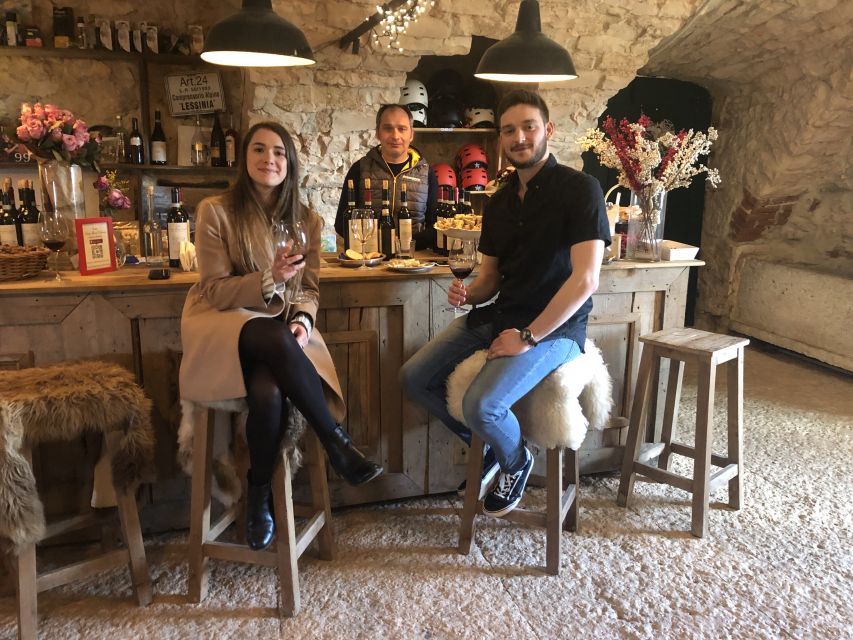
The tasting usually includes three wines: Valpolicella, Ripasso, and Amarone. You learn to assess each one through sight, smell, and taste, rather than simply drinking and choosing a favorite.
Valpolicella gives you a useful starting point. Ripasso lets you compare another style from the same area. Amarone then shows the effect of the dried-grape process discussed earlier. Tasting them in this order helps you see how production choices can change the wine in your glass.
The pours have generally been described as generous, though the selection is limited to three wines. That distinction matters. You are not coming here for a large tasting flight covering every bottle in the cellar. You are coming to understand three classic regional styles in a focused setting.
The winemaker may also share grappa, as happened during one visit. That is an occasional family touch, not something you should treat as a guaranteed part of the program. Wine purchases and shipping to your home country may also be possible, although you should confirm current arrangements at the winery.
I like the teaching element here. The tasting is not just a chance to sample Amarone and take photographs. You are shown how to use your senses and given enough local context to recognize the differences between the wines later in your trip.
Local food on the terrace
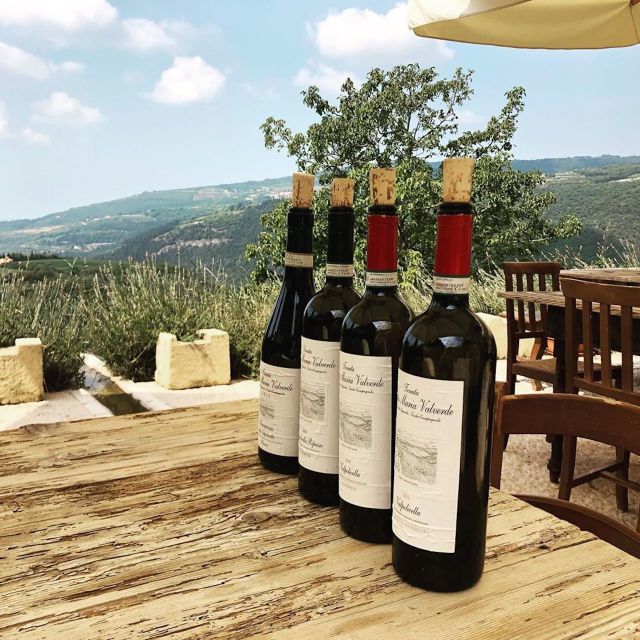
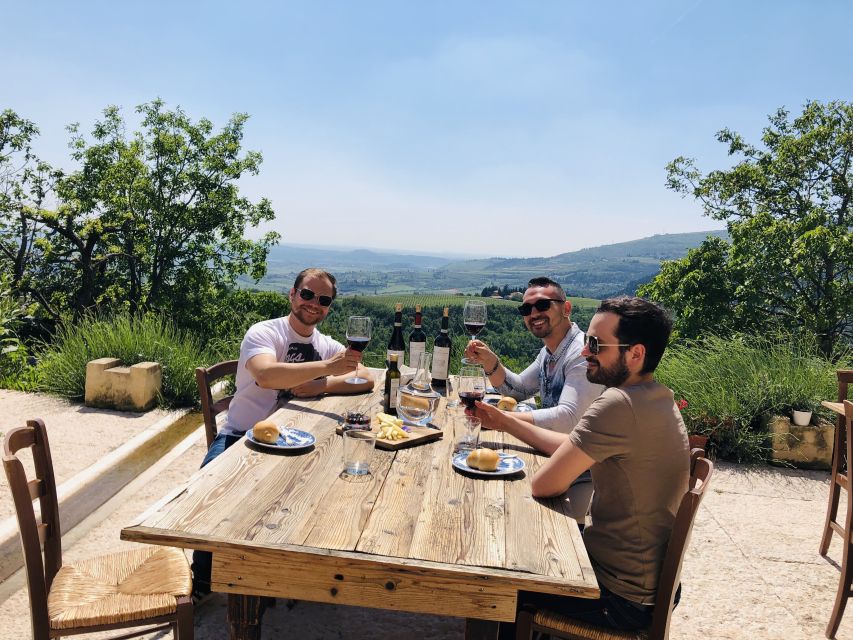
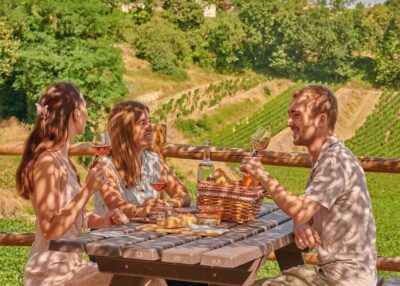
The wine is served with a light spread of regional food. Expect cheeses, salami, bread, chutney, extra virgin olive oil, and other local bites. Some people particularly praised the homemade olive oil and cherry chutney, along with almond biscuits served with the wine.
This is best understood as a generous tasting lunch, not a full multi-course meal. If you arrive hungry, the food should help, but you may still want a proper meal later. The emphasis is on pairing simple local products with the wines and letting the conversation continue.
The terrace is a major reason to stay a little longer. From the table, you can look across the vineyards and Valpolicella hills, with mountain views and, on clear days, a glimpse toward Lake Garda. The setting gives the tasting a calm, rural feel that a city wine bar cannot match.
The shared table can also be part of the fun. Groups from different countries often sit together, and the relaxed format makes conversation easy. If you prefer a private, silent tasting with a sommelier focused only on your party, ask about the group arrangement before booking.
The $82 price and what you receive
At $82 per person, this is not the cheapest way to taste Italian wine. The price makes more sense when you count the full visit: a vineyard walk, the old cellar, the Amarone drying room, an explanation from the winery, three wines, local food, and time on the terrace.
You are also paying for access to a family-run property rather than a basic bar tasting. The family connection is central to the experience, and the hosts often spend time answering questions and sharing stories. For someone interested in Valpolicella and Amarone, that personal contact gives the price real value.
The value is less clear if you only want a large number of samples. Three wines may feel limited compared with a tasting that offers six or eight labels. The experience is strongest for people who value place, production, and conversation as much as the number of glasses.
The length also affects the value. The listed duration is two hours, but some visits lasted around three and a half hours, including the food and wine. That can make the outing feel generous, though it requires flexibility. Confirm the start time and leave a buffer after the scheduled finish.
Who will enjoy this winery visit?
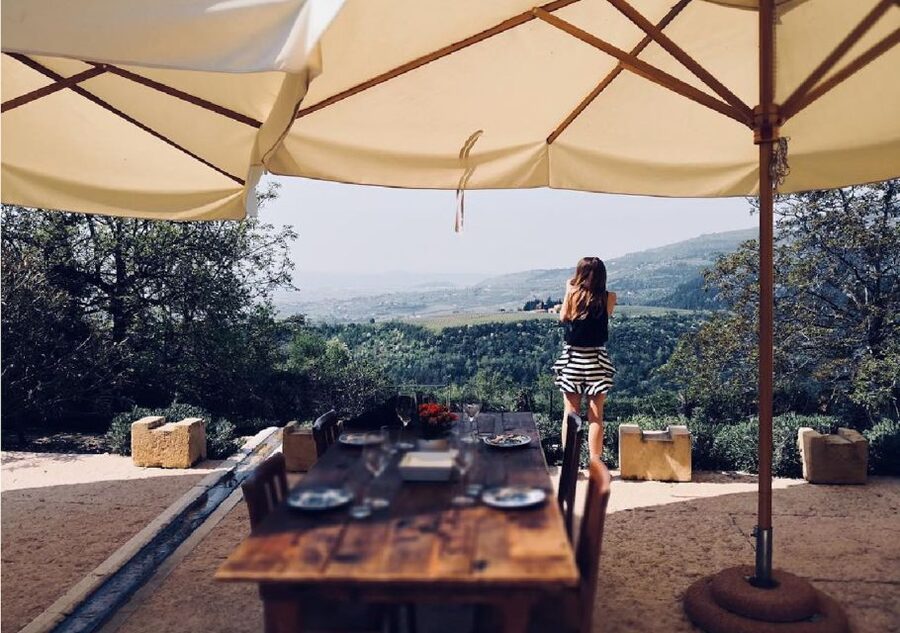
I would recommend it most strongly to adults who want a relaxed introduction to Valpolicella wines and prefer a small family property to a large commercial operation. It suits couples, small groups, and anyone who wants a countryside break from Verona.
You do not need advanced wine knowledge. The guide explains the basics and shows how the local wines connect to the vineyard and cellar. At the same time, experienced wine drinkers can ask more detailed questions about grape varieties, drying, production, and refinement.
This is not suitable for children under 18, and only people aged 18 or older may drink the wine. Since the visit includes walking around the vineyard and old rural spaces, practical shoes are sensible.
The tour may not suit you if you need a precise two-hour schedule, want a full meal, or expect a very broad tasting menu. It is also less convenient if you do not plan your transport from Verona ahead of time.
How to make the most of your two hours
Contact the winery before setting out, especially if you are using public transport. Ask exactly where to meet and whether pickup from a nearby bus stop is available for your time slot.
Do not plan a major activity immediately after the tasting. The official duration is two hours, but the family style can stretch the visit. That extra time is part of the charm, yet it can create stress if you are racing back for a train.
Arrive ready to taste, but eat something beforehand if you need a substantial lunch. The included food is excellent for pairing and light nourishment, though it is not presented as a full restaurant meal.
Finally, save room for the terrace. The cellar and drying room provide the educational backbone, but the view, food, and conversation are what turn the visit into a pleasant half-day outing.
Should you book Tenuta Santa Maria Valverde?
Book this experience if you want personal hosting, traditional wine making, and a beautiful rural setting close to Verona. The strongest parts are the family connection, the Amarone drying room, the clear explanation of local wines, and the terrace tasting with regional food.
Think twice if your priority is quantity, speed, or a formal tasting with many labels. Three wines may not satisfy a serious collector looking for a broad comparison, and the timing can run well past two hours.
For most adults who want to understand Valpolicella rather than simply drink it, the $82 cost is fair. Arrange transport early, keep your schedule open, and expect a friendly visit with more character than polish. That is precisely why this winery works so well.
FAQ
Where does the winery tour begin?
The meeting point is Tenuta Santa Maria Valverde at Località Gazzo, 4, 37020 Marano di Valpolicella VR.
How long does the experience last?
The stated duration is two hours. Some visits lasted longer, including around three and a half hours, so leave extra time in your schedule.
Which wines are included?
The tasting includes Valpolicella, Ripasso, and Amarone. The winery may also offer grappa, but that is not listed as a guaranteed tasting.
What food is served with the wine?
The included food includes local cheeses, chutney, salami, bread, extra virgin olive oil, and other regional products. It is described as a light lunch or tasting spread.
Is transportation from Verona included?
Transportation is not listed as a standard inclusion, but assistance can be provided with arranging a private transfer or public transport. Pickup from a bus stop has been offered in individual cases, so confirm this in advance.
Is the experience available in English?
Yes. The live tour is offered in Italian and English.
Can children join the tour?
No. The experience is not suitable for children under 18, and you must be at least 18 to consume alcohol.
Just added around Italy
- Winery Visit & Tasting near Grosseto with 6 wines★ 4.8 · 6 reviews
- Winery Visit & Tasting on the Volcanic Slopes near Catania★ 5.0 · 2 reviews
- Winery Visit on Parma Hills & Wine Tasting with Food Platter★ 5.0 · 26 reviews
- Wine tour and lunch or dinner at our vineyard★ 4.6 · 15 reviews
- Wine Tasting and Winery Visit near Asti and Turin★ 4.5 · 5 reviews
- Wine tasting under the Stars in the vineyards of Agrigento★ 5.0 · 3 reviews
- Walk through our vineyard and aperitif★ 4.7 · 19 reviews
- Volterra: Aperivintage aperitif in vineyard whit a Fiat 500★ 5.0 · 7 reviews
Winery Tours, compared.
Saint-Émilion: Grand Cru Classé Winery Visit and Tasting
Our review →
Montserrat Full Day Tour with Farmhouse Lunch and Winery Visit
Our review →Montserrat & Winery Visit Tour with Traditional Farmhouse Lunch
Our review →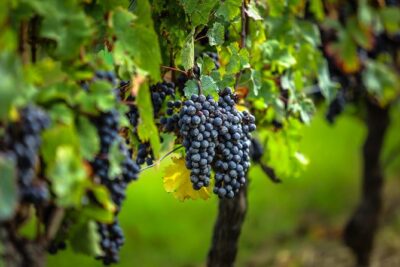
Saint Emilion Half-Day Trip with Wine Tasting & Winery Visit from Bordeaux
Our review →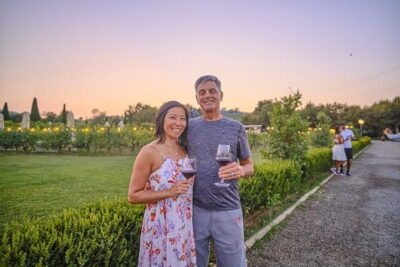
Chianti Delights: A Tale Of Two Wineries With A Vineyard Dinner
Our review →
Saint-Emilion: Grand Cru Classé Guided Winery Visit & Picnic
Our review →
Douro Valley for Wine Lovers with Visit to 4 Wineries and Lunch
Our review →Every list this estate visit appears in