
REVIEW · FRANCE
Kaysersberg Vineyard Discover the vineyard and wine, Domaine Meyer-Krumb
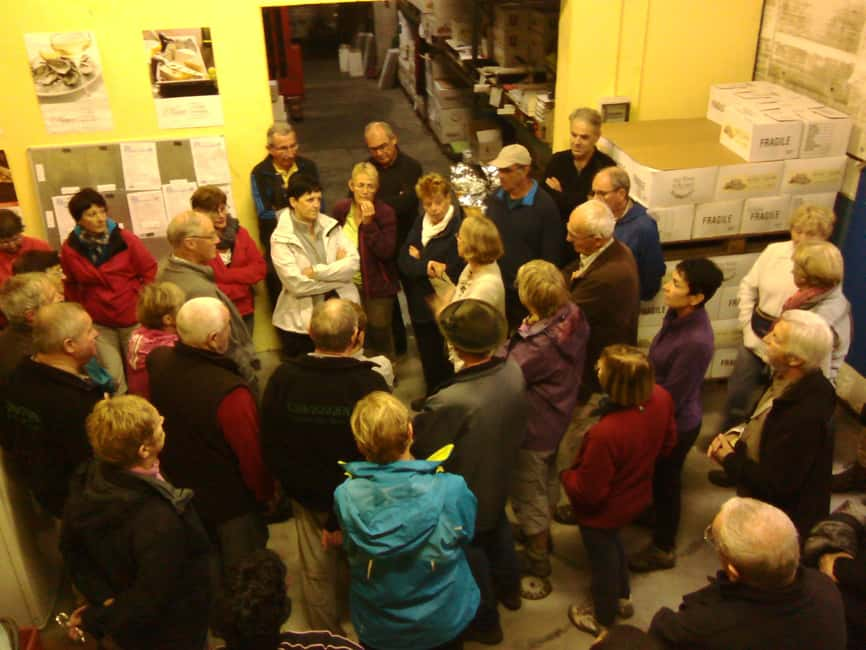
Small estates tell better wine stories. At Domaine Meyer-Krumb, Aurélie and Pierre-Emmanuel welcome you into their vineyard, cellar, and family-run winemaking life for a focused one-hour visit near Kaysersberg. You will learn how Alsatian grapes respond to soil and climate, then follow the harvest from the vine to the bottle.
I like the personal welcome from the winemakers and the useful structure: 20 minutes in the Vineyard Garden, 20 minutes in the cellar, and 20 minutes tasting the estate’s wines. I also like that children receive grape juice, so this is not limited to serious wine drinkers. The main consideration is the short one-hour format. You will get a clear introduction, not a long, slow winery day with extensive food pairings or several estates.
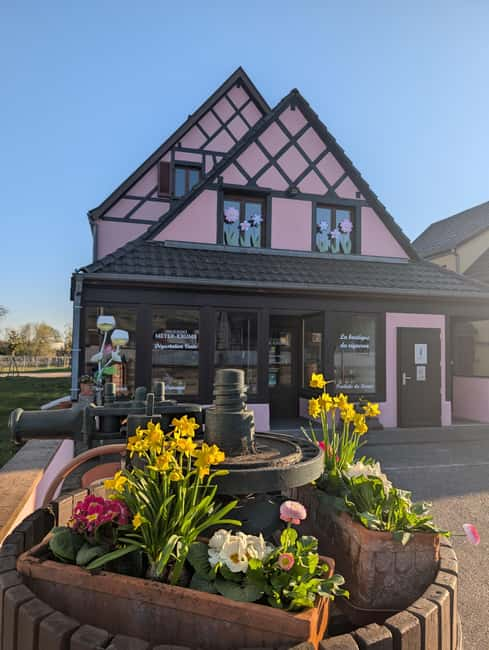
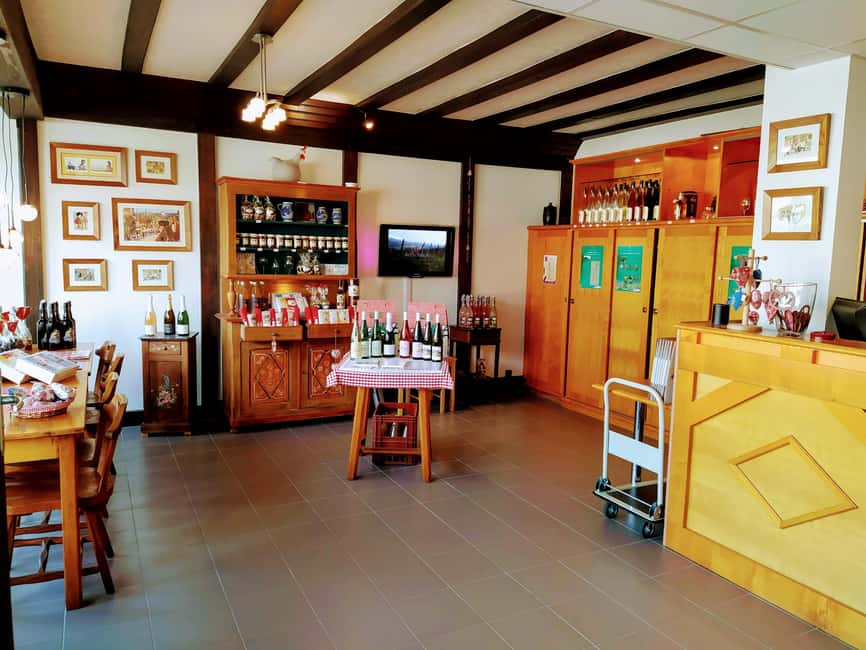
The visit takes place at 9 Rte des Vins, directly on the Alsace Wine Route at the exit of Sigolsheim. Look for the pink house and yellow house. English and French are available, although some material may remain in its original language.
Key points at a glance
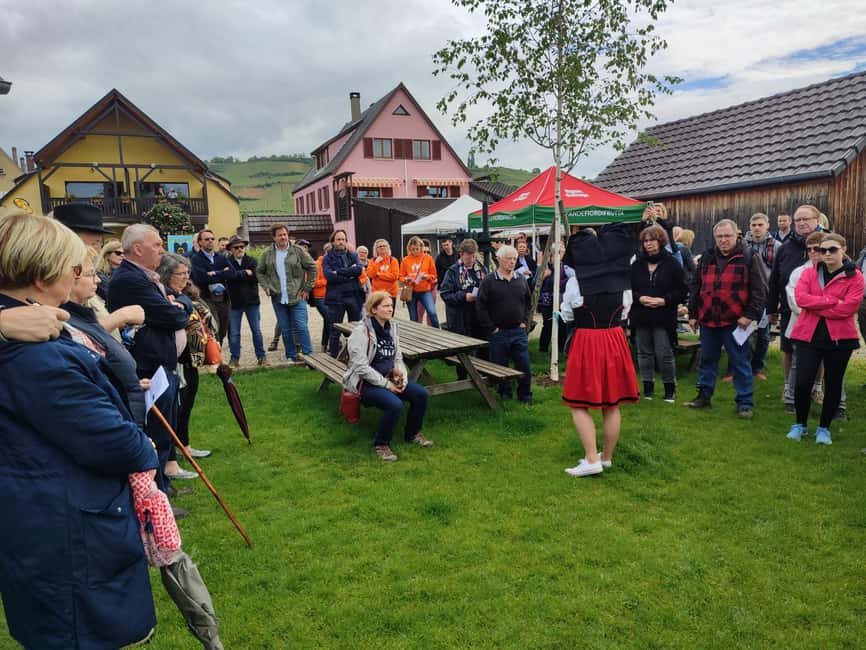
- A three-part visit with a clear rhythm: Spend about 20 minutes in the Vineyard Garden, 20 minutes in the cellar, and 20 minutes tasting.
- Meet the people behind the bottles: Aurélie and Pierre-Emmanuel guide the visit and explain their work as independent winemakers.
- Useful vineyard context: Learn about Alsatian grape varieties, local soil, climate, and environmentally friendly wine practices.
- A practical cellar tour: Follow the wine from harvest reception through fermentation, aging, and bottling.
- Family-friendly tasting: Adults taste Alsatian wines while children receive grape juice.
- Strong value at $11: The price includes the guided tour, vineyard visit, winery tour, and tasting.
Why this small Alsace estate is worth your time
The appeal here is scale. You are not entering a large commercial operation with a polished script and a long line of visitors. You are meeting an independent winemaking family and seeing the working parts of the estate explained by people who handle them.
That matters in Alsace, where wine is closely tied to place. The tour connects the grape varieties to the soil and climate instead of treating tasting as a guessing game. You get a basic but useful answer to the question many wine drinkers have: why does this bottle taste different from one made a few villages away?
Aurélie and Pierre-Emmanuel also explain environmentally friendly practices used in their work. The information provided does not give a full technical list of these methods, so you should not expect a specialist course in organic or biodynamic farming. You can expect a grounded explanation of how care for the vines fits into everyday winemaking.
The tone appears to be one of the strongest parts of the experience. The French-language comments praise the family atmosphere, good humor, organization, and warm welcome. That is helpful if you prefer a direct conversation with a producer rather than a formal presentation.
A few more vineyard visits around France worth a look
- Saint-Émilion: Grand Cru Classé Winery Visit and Tasting
★ 4.6 · 1,118 reviews - Saint Emilion Half-Day Trip with Wine Tasting & Winery Visit from Bordeaux
★ 4.5 · 1,034 reviews - Saint-Émilion: Bordeaux Vineyard Tour and Wine Tasting
★ 4.8 · 578 reviews
Finding the pink and yellow houses in Sigolsheim
The meeting point is easy to identify once you are on the right road. Domaine Meyer-Krumb sits directly on the Wine Route at the exit of Sigolsheim, at 9 Rte des Vins. The property is described as a pink house and a yellow house, a useful visual clue in a region where village addresses can otherwise be easy to miss.
You should allow enough time to arrive without rushing. The tour starts and ends at the estate, so there is no separate transport between the vineyard and cellar. That keeps the hour efficient and lets you spend the full visit with the winemakers.
The location also works well as part of a day in the Kaysersberg area. You can place this visit alongside other stops on the Alsace Wine Route, but the tour itself is only one hour. I would treat it as a focused appointment, not as a half-day activity.
The Vineyard Garden: 20 minutes among the vines
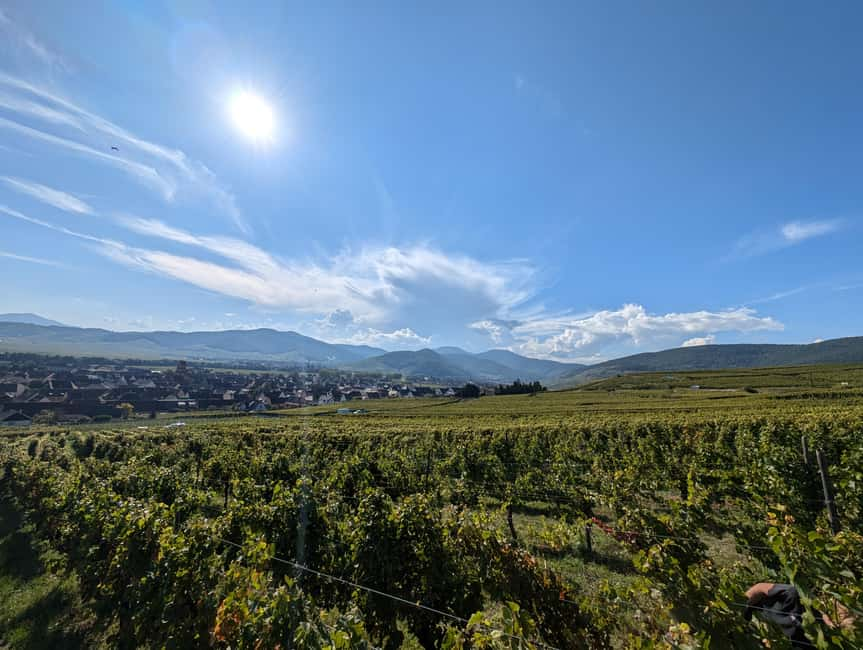
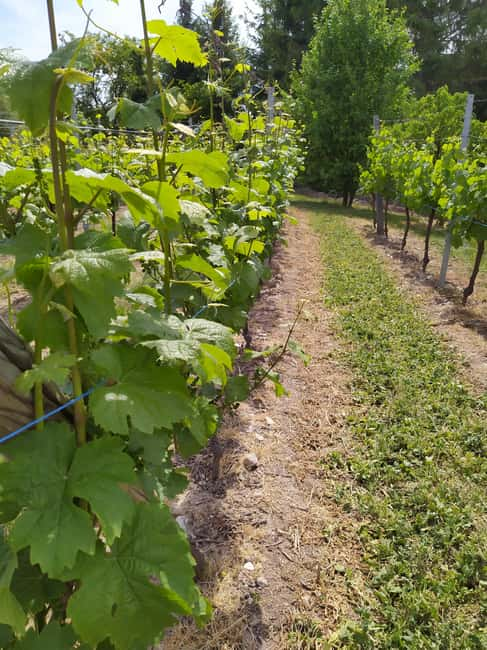
The first 20 minutes take place in the estate’s Jardin des Vignes, or Vineyard Garden. It is described as an educational and lively space, designed to introduce you to the vineyard before you enter the cellar.
This is a smart starting point. Wine can seem mysterious when you encounter it only in a glass. Out among the vines, the basic parts of the process become easier to understand. You will hear about the different grape varieties grown in Alsace and how the local terroir and climate affect the fruit.
The word terroir can be vague when left unexplained. Here, it is connected to practical subjects: the ground where the vines grow, the weather patterns, and the choices made by the winegrower. You will not simply hear that a wine reflects its place. You will learn what the winemakers believe contributes to that character.
The Vineyard Garden also gives Aurélie and Pierre-Emmanuel room to discuss their environmentally friendly working methods. This part should appeal to you if you care about how wine is produced, not just how it tastes. At the same time, the visit lasts only 20 minutes, so the information will be introductory rather than highly technical.
The outdoor portion may be the most useful part for first-time wine visitors. You do not need a trained palate to follow it. You only need curiosity about grapes, weather, and farming. Families can also take part without making the tasting the center of the day.
The cellar: from harvested grapes to bottled wine
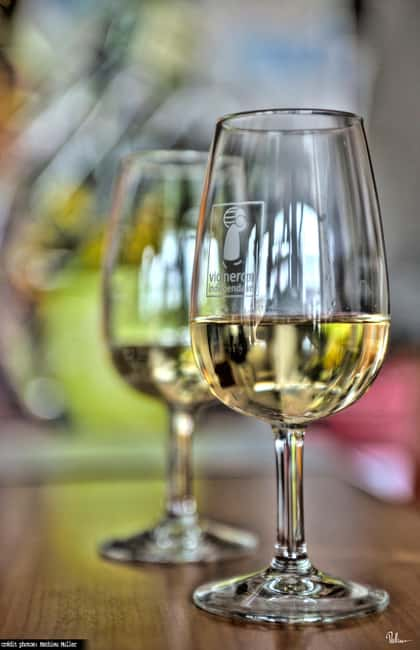
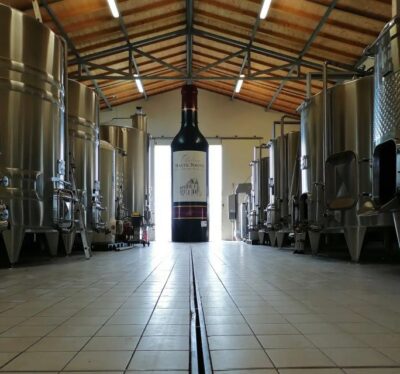
The second 20-minute section moves into the winery cellar. Here, the winemaker explains the stages between picking the grapes and filling the bottle.
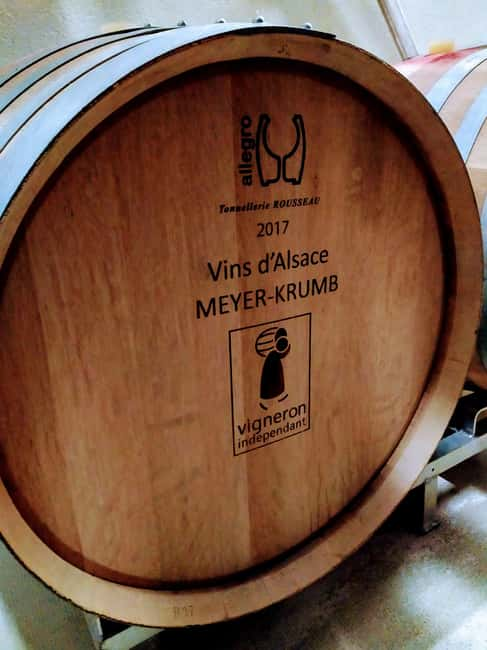
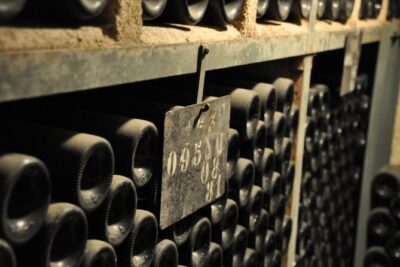
The process includes receiving the harvest, fermentation, aging, and bottling. That sequence gives you a solid framework for understanding wine production. Many cellar visits rush past the middle steps, but fermentation and aging are where much of the wine’s character develops. Hearing the producer explain these stages can make the bottle in your hand feel less like a finished product from a shop shelf and more like the result of a long chain of decisions.
The cellar tour is also where the independent nature of Domaine Meyer-Krumb matters most. You are hearing about the work of the estate itself, rather than a general winery lecture detached from one producer’s methods. The exact equipment and cellar layout are not specified, so I would not promise dramatic barrels, underground rooms, or grand architecture. The value comes from the explanation and access to the working process.
Because the tour is short, you should expect a concise overview. You will learn what happens at each stage, but you may not have time to explore every technical question in depth. If you already know a great deal about fermentation or aging, prepare a few specific questions so you can use the conversation well.
The English and French guide option makes the cellar section accessible to a wider range of visitors. Some content may be shown in its original language, so English speakers should be comfortable with a tour that may not translate every small detail word for word.
Same place, a completely different cellar door:
- Bordeaux: Vineyards Wine Tasting Half-Day Trip
★ 4.2 · 470 reviews - Half-Day Wine tour across Bordeaux’s Vineyards
★ 3.5 · 429 reviews - Saint-Émilion: Vineyard Walking Tour and Tasting
★ 5.0 · 404 reviews - Small-Group Full-Day Tour of Côte de Nuits, Côte de Beaune Vineyards and Beaune Historical District
★ 5.0 · 364 reviews
The Alsatian tasting: 20 minutes at the end
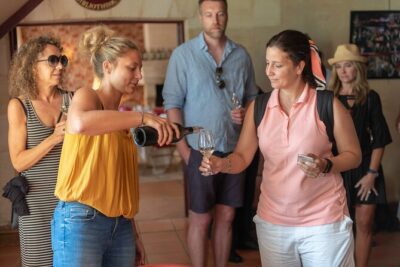
The final 20 minutes are devoted to tasting the estate’s Alsatian wines. This is not an afterthought. It gives you a chance to connect the vineyard and cellar explanations with the finished wines.
You can compare different vintages from the estate and ask questions in a friendly setting. That opportunity is useful because tasting is easier when you know what to look for. After hearing about grape varieties, climate, and winemaking, you can consider how those subjects show up in the glass.
The tasting is also a chance to ask about the wines directly from the producer. If you are unsure how to describe aromas or flavors, you do not need expert vocabulary. The format is presented as a conversation, so simple questions about the grapes, production, or differences between vintages should fit naturally.
Children receive grape juice, which makes the final section more welcoming for families. That does not turn the activity into a children’s tour, but it means young visitors are not left out while adults taste. For parents, this small detail can make the difference between a pleasant stop and a difficult one.
You should still remember that the included tasting is part of a one-hour visit. The available information does not promise a meal, local cheese, vineyard picnic, or extensive food pairing. If you want a full culinary experience, you will need to plan that separately.
What the strong praise tells you
The most consistent positive points are personal service, good organization, passion, and the quality of the tasting. French visitors specifically describe the family atmosphere as a major strength, and the welcome from the winemakers receives repeated praise.
Aurélie is singled out for keeping the visit and tasting well organized. Pierre-Emmanuel is also part of the welcome and winemaking team. Their involvement gives the experience a human scale. You are not simply moving from a signposted room to another signposted room.
The tone is friendly rather than formal. That helps if you want to ask questions without feeling that you need wine credentials. It also explains why the experience has earned a perfect 5 rating from seven posted ratings, including praise from visitors from Belgium, France, and Denmark.
I would not treat that perfect score as a promise that every visitor will want the same thing. If your priority is a long technical tasting with many wines, this may feel brief. If you value a warm welcome and a clear explanation from an independent producer, the praise points to a strong match.
Is $11 a good value?
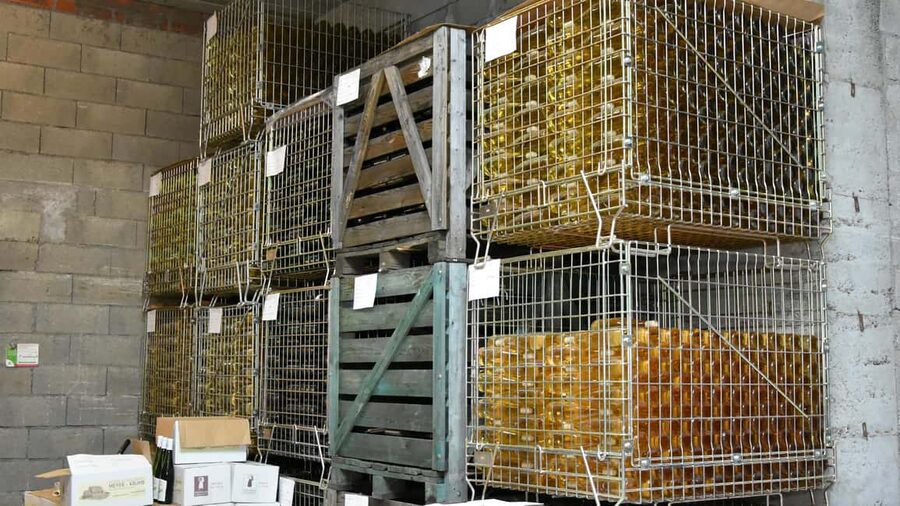
At $11 per person, the visit offers good value. The fee includes three connected parts: the Vineyard Garden, the winery tour, and the tasting of Alsatian wines. You are also getting the time and attention of the estate’s winemaker, not only access to a room with bottles.
The cost is especially reasonable for a short stop on the Wine Route. One hour is long enough to learn the basic story of the estate and taste the result, while still leaving you time for another village or winery. The grape juice for children adds practical value for families, since younger visitors receive their own drink rather than simply waiting through the tasting.
The price is less compelling if you are seeking a full-day wine program. There is no stated meal, transport, vineyard walk of several hours, or broad regional tasting. You are paying for a compact introduction to one estate. For that purpose, $11 is modest.
The free cancellation policy allows you to cancel up to 24 hours in advance for a full refund. You can also reserve and pay later, which is useful when your route through the Alsace villages is still taking shape.
Who will enjoy this tour most?
I would recommend it most strongly to you if you fit one of these groups:
- You are visiting the Kaysersberg area and want a short, local wine experience.
- You prefer independent producers to large commercial wineries.
- You want a simple explanation of vineyard work and cellar production.
- You are new to Alsatian wine and want context before tasting.
- You are traveling with children and appreciate grape juice as an option.
- You enjoy meeting the people who make what you are tasting.
It is also a good choice for English-speaking visitors, since live guiding is offered in English and French. Keep in mind that some content may appear in its original language.
I would be more cautious if you want an advanced tasting class, a long vineyard hike, or a full meal. None of those are part of the stated experience. The tour is short, focused, and personal.
Practical advice before you go
Check the available starting times before you plan the rest of your day. Since the entire experience lasts one hour and begins and ends at the same address, it is easy to fit into a larger Wine Route schedule, but arriving late could cut into one of the three 20-minute sections.
Use the pink and yellow houses at the exit of Sigolsheim as your main landmark. The estate is directly on the Wine Route, so you should not need a separate meeting location.
If you are particularly interested in environmental practices, grape varieties, or aging, prepare a few questions in advance. The winemakers invite conversation, and a short tour works best when you know what you want to ask.
For families, confirm the children’s grape juice arrangement when booking if that detail matters to your plans. The experience includes grape juice for kids, but the information provided does not specify an age range or additional children’s activities.
Should you book Domaine Meyer-Krumb?
Book it if you want an affordable, one-hour introduction to Alsatian wine with real people at a small family estate. The combination of Vineyard Garden, cellar explanation, and tasting gives you more context than a quick glass of wine, while the warm welcome from Aurélie and Pierre-Emmanuel keeps the visit personal.
Skip it only if you need a lengthy technical tour, a meal, or a full-day wine program. For a short stop near Kaysersberg, the $11 price, family-friendly format, English option, and direct contact with an independent winemaker make this an easy recommendation.
FAQ
Where does the Domaine Meyer-Krumb tour begin?
The tour begins at Domaine Meyer-Krumb, 9 Rte des Vins, at the exit of the village of Sigolsheim. The winery is directly on the Alsace Wine Route and can be identified by its pink house and yellow house.
How long does the experience last?
The complete experience lasts one hour. It includes about 20 minutes in the Vineyard Garden, 20 minutes in the winery cellar, and 20 minutes of wine tasting.
What is included in the price?
The price includes a guided visit with the Meyer-Krumb winemaker, the Vineyard Garden visit, the winery tour, a tasting of Alsatian wines, and grape juice for children.
How much does the tour cost?
The listed price is $11 per person.
Which languages are available?
The live tour guide is available in French and English. Some content may be shown in its original language.
Is the experience suitable for children?
Yes. Children can receive grape juice during the tasting. The provided information does not specify an age range or other children’s activities.
Who leads the tour?
Aurélie and Pierre-Emmanuel, the passionate winegrowers at Domaine Meyer-Krumb, welcome visitors and explain the vineyard and winemaking process.
What will I learn during the vineyard visit?
You will learn about Alsatian grape varieties, the effect of terroir and climate, and environmentally friendly practices used in the estate’s work.
Can I cancel the booking?
Yes. You can cancel up to 24 hours in advance for a full refund. You can also reserve now and pay later.
Just added around France
- Vosne-Romanée: Private Vineyards Walking Tour with Tasting★ 4.4 · 9 reviews
- Vineyard of the Alpilles by bike★ 4.6 · 8 reviews
- Vineyard tour and wine tasting in Davron★ 4.5 · 7 reviews
- Private Vineyard Tour and Wine Tasting in Bandol★ 5.0 · 16 reviews
- Vineyard visit in Gyropode, visit of Cave & Tasting Wines of Bandol★ 5.0 · 19 reviews
- Bike ride on the Wine Route from Sélestat★ 5.0 · 5 reviews
- Horse riding in the vineyards of Grimaud + wine tasting★ 5.0 · 3 reviews
- 1/2 day private Vintage tour, vineyards of Saint-Tropez★ 5.0 · 6 reviews
France Vineyard Tours, compared.
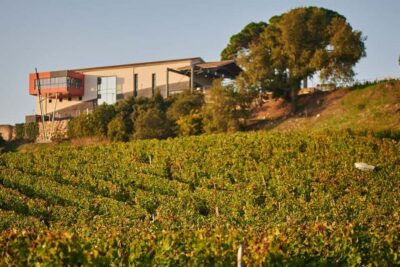
Saint-Émilion: Grand Cru Classé Winery Visit and Tasting
Our review →
Saint Emilion Half-Day Trip with Wine Tasting & Winery Visit from Bordeaux
Our review →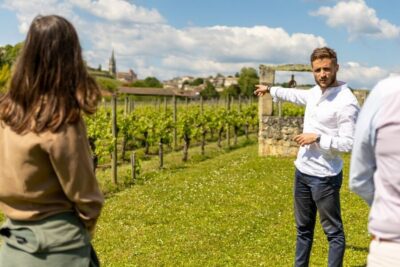
Saint-Émilion: Bordeaux Vineyard Tour and Wine Tasting
Our review →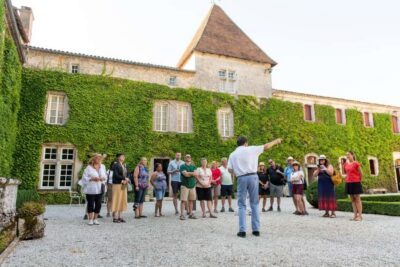
Small-Group Full-Day Tour of Côte de Nuits, Côte de Beaune Vineyards and Beaune Historical District
Our review →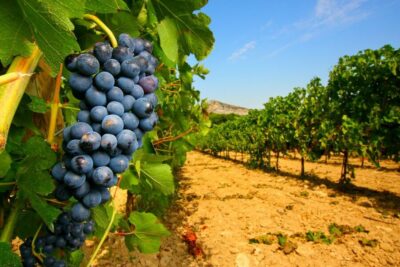
Every list this estate visit appears in