
REVIEW · FRANCE
Luberon: Vineyard Tour and Wine Tasting
Wine country rewards slow footsteps. This Château de Sannes vineyard tour pairs a walk among the vines with a guided tasting of the estate’s white, rosé, and red wines. I like the clear focus on eco-friendly farming, and I like that the route gives you views toward villages such as Ansouis, one of France’s most beautiful villages. The main catch is that the visit involves walking outdoors on vineyard ground, so it is not suitable for wheelchair users or people with mobility impairments.
At $25 per person, I see this as a strong-value introduction to Luberon wine. You get a guide, a look at how the vines are cared for, and a tasting in the boutique, with some visits including as many as six wines. Bring water, a hat, sunscreen, and closed-toe shoes, since the sun and uneven ground are part of the deal.
Key points to know before visiting
- The tour begins inside the Château de Sannes boutique, so go there first rather than waiting outside among the vines.
- Eco-friendly vineyard work is a central theme, not a quick mention added to the walk.
- Ansouis appears in the view, giving the tasting a useful sense of place beyond the wine glass.
- The tasting covers the estate’s white, rosé, and red wines, with one recent visit including six wines.
- Guide Souazique has earned special praise for a friendly manner and strong command of the subject.
- The $25 price includes the tour and tasting, but not transport or food.
Starting at Château de Sannes
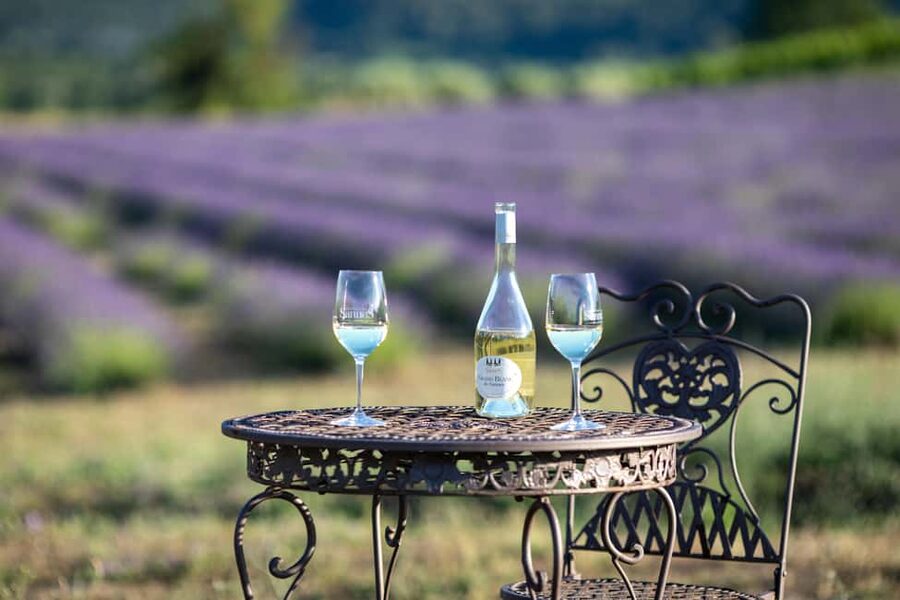
Your visit begins inside the Château de Sannes boutique. This is a useful detail because the meeting point is not described as a roadside vineyard entrance or a general château gate. Give yourself enough time to find the boutique and get settled before the starting time shown for your booking.
The château setting gives the outing a sense of place from the start. You are not being taken to a generic tasting room with bottles lined up on a shelf. The vineyard, estate buildings, boutique, and nearby villages all form part of the story you are about to hear.
The tour is offered in English with a live guide. That matters if you want more than a self-guided stroll. You can ask about the vines, the soil, the growing cycle, and the reasons behind the estate’s methods rather than simply reading a few signs and moving on.
The exact group size is not provided, so I would not book this expecting a private tour. The guide’s role is central, and the quality of the visit will depend partly on how much time there is for questions. The feedback on the guiding is unusually strong, with Souazique described as friendly, passionate, and generous with answers.
A few more vineyard visits around France worth a look
- Saint-Émilion: Grand Cru Classé Winery Visit and Tasting
★ 4.6 · 1,118 reviews - Saint Emilion Half-Day Trip with Wine Tasting & Winery Visit from Bordeaux
★ 4.5 · 1,034 reviews - Saint-Émilion: Bordeaux Vineyard Tour and Wine Tasting
★ 4.8 · 578 reviews
Walking through the vine cycle
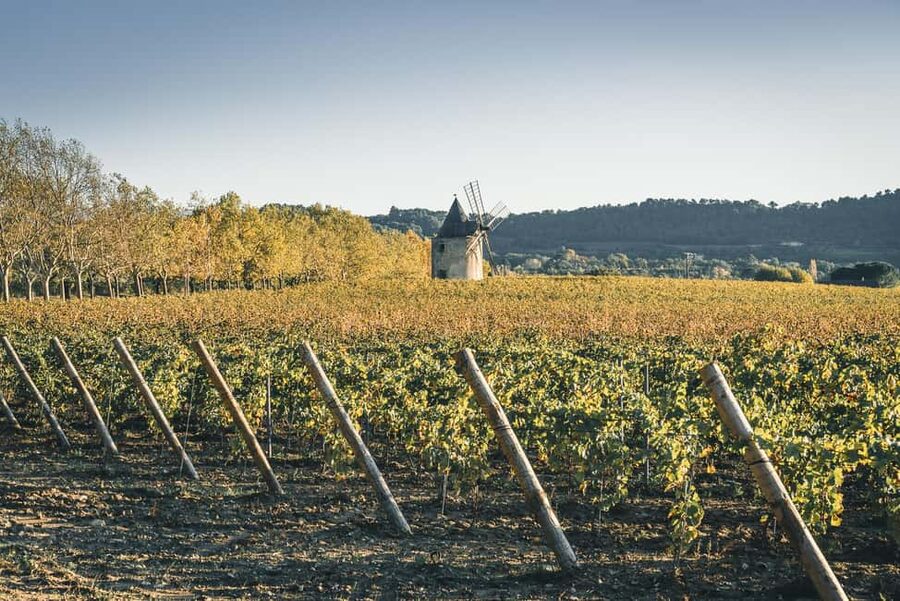
The first major part of the visit takes you into the vineyard. Here, the guide explains the cycle of the vine and the work required throughout the year. This is where the tour gains value for anyone who wants to understand wine at its source.
You will hear about how the vines develop and how the winemaker works with them. The goal is not simply to point out rows of plants, but to explain the decisions behind the crop. That makes the later tasting easier to follow, since you have already learned that wine begins with conditions in the field, not in the bottle.
Eco-friendly work at the estate receives particular attention. The supplied information does not list each practice in detail, so you should not expect a technical lecture on a named certification or a specific farming system. Instead, expect a guided discussion of the estate’s approach and why careful vineyard work matters.
I like this part because it puts the wine in context without making the experience too formal. You are walking through the actual growing area, asking questions, and seeing the setting that produces the bottles sold in the boutique.
Comfort is important. The route takes place outside and is not suited to people with mobility impairments or wheelchair users. Wear closed-toe shoes with a firm sole. Sandals may look fine in a sunny photograph, but vineyard paths are better handled with proper walking shoes.
Reading the Luberon terroir
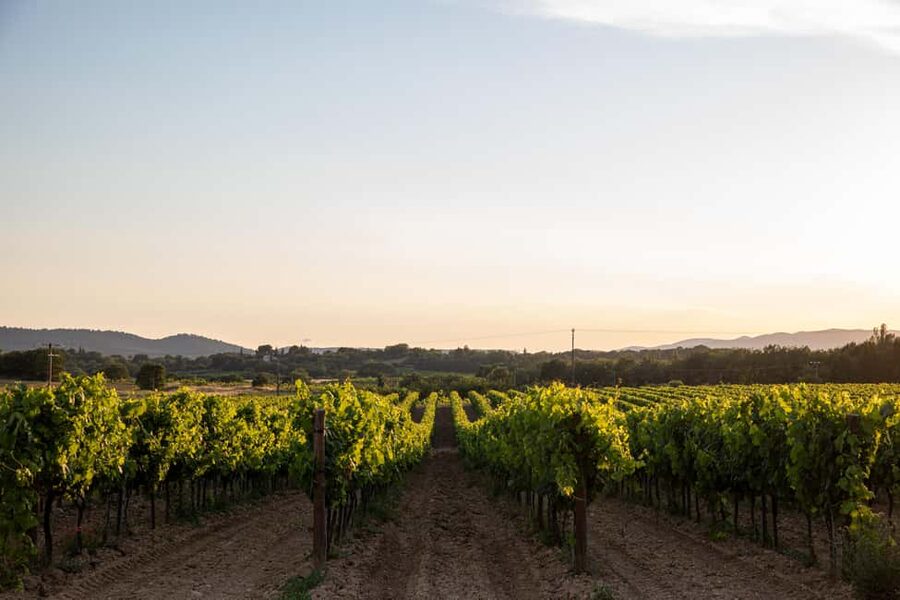
The tour then turns to terroir, a French wine term that brings together the conditions that shape a wine’s character. The guide discusses the specific features of the vineyard and the secrets of the vines, helping you connect the soil and setting with what you later taste.
You do not need a technical wine background to enjoy this section. The most useful approach is to listen for links between place and flavor. As you taste later, you can consider how the estate’s conditions affect the white, rosé, and red wines rather than treating each glass as an unrelated sample.
The surrounding views add another layer. The vineyard is connected to the wider Luberon countryside, with villages such as Ansouis visible nearby. Ansouis is classified as one of the most beautiful villages in France, so the outlook gives you a good reason to keep your eyes away from the vines for a moment.
This is not a sightseeing tour of every nearby village. You should not expect a guided walk through Ansouis or a separate village visit. The villages are part of the view from the estate, and that is still useful. A wine makes more sense when you can see the hills, fields, and old settlements that form its setting.
Bring a camera if you like taking photographs. Also bring water, a hat, and sunscreen. The practical advice is simple, but it matters in an open vineyard, especially during the warmer months. Smoking is not allowed during the activity.
Understanding the winemaker’s work
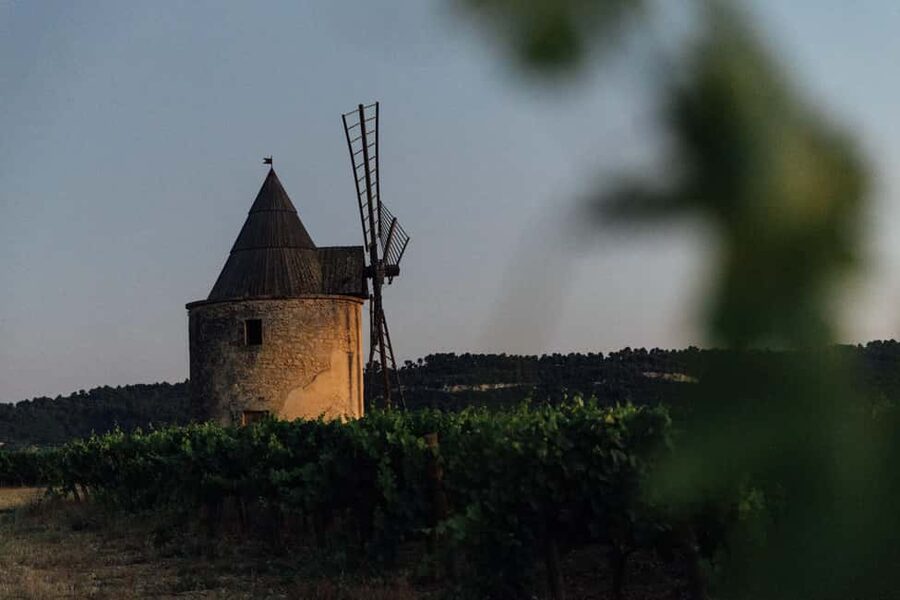
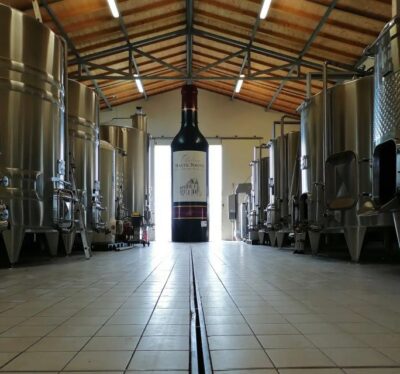
A good vineyard visit explains the work behind the bottle without turning into a sales pitch. This experience focuses on what the winemaker does in the vineyard and how the estate’s methods affect the final wine.
You will learn about the work carried out among the vines and the reasons the estate pays attention to its environment. The eco-friendly discussion is one of the most useful features for visitors who want to compare wineries in the Luberon. It gives you something specific to listen for, rather than reducing the tour to broad claims about tradition and quality.
The tour also helps you see why vineyard work is seasonal. The vine has a cycle, and the care required changes as the year progresses. Even without a detailed schedule of every task, that basic framework gives you a better understanding of why wine production is not a single harvest-day event.
The guide’s personality appears to matter here. Souazique is praised for being warm, dynamic, and able to answer questions. Another guide was described as especially friendly and good at explaining the workings of the Domaine de Sannes. That suggests the experience is strongest when you take part in the conversation instead of simply following the group quietly.
If you enjoy asking questions, this is a good place to do it. You might ask how the estate’s environmental approach affects the vines, how the terroir differs across the property, or which wines best show the character of the vineyard. Specific answers will depend on the guide and the day’s pace, but the format invites that kind of discussion.
Same place, a completely different cellar door:
- Bordeaux: Vineyards Wine Tasting Half-Day Trip
★ 4.2 · 470 reviews - Half-Day Wine tour across Bordeaux’s Vineyards
★ 3.5 · 429 reviews - Saint-Émilion: Vineyard Walking Tour and Tasting
★ 5.0 · 404 reviews - Small-Group Full-Day Tour of Côte de Nuits, Côte de Beaune Vineyards and Beaune Historical District
★ 5.0 · 364 reviews
Tasting the estate’s white, rosé, and red wines
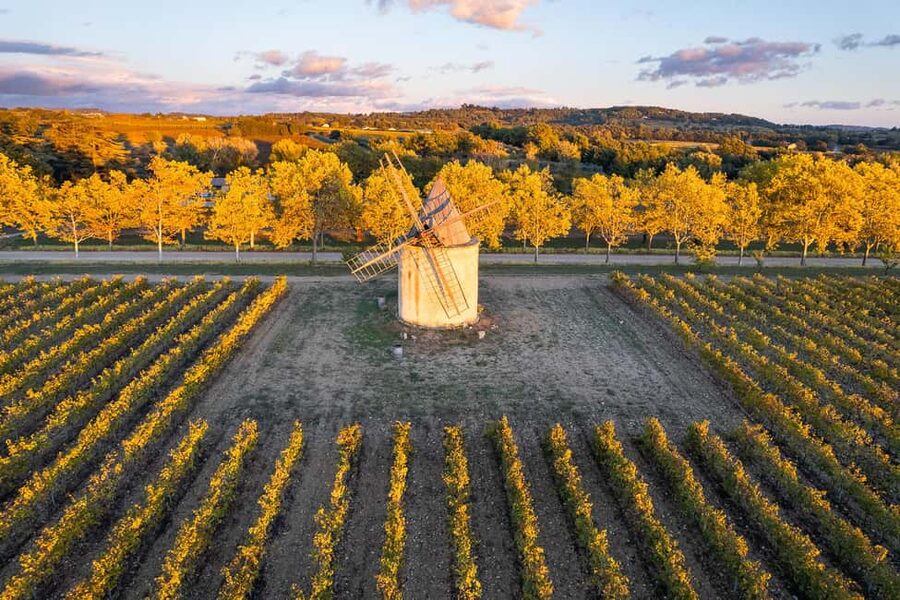
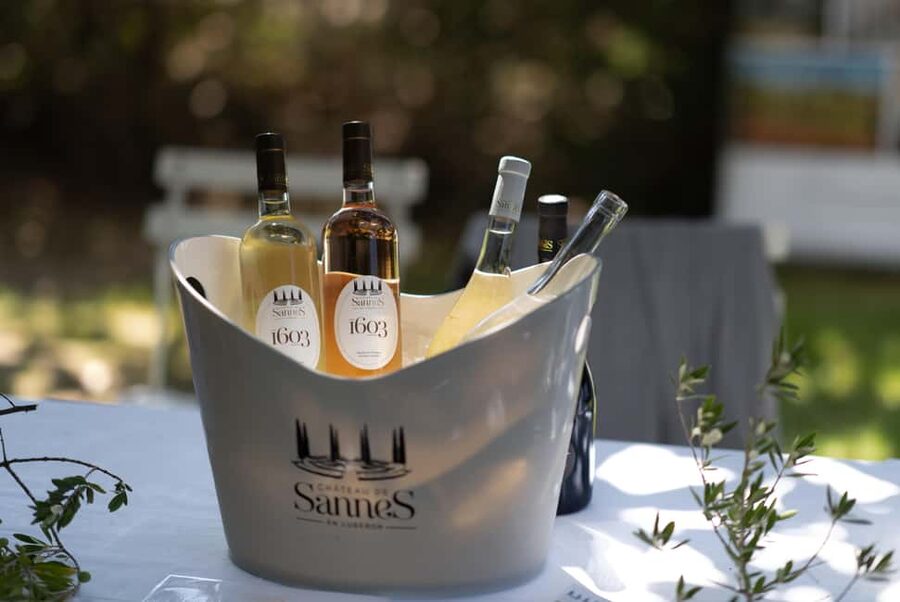
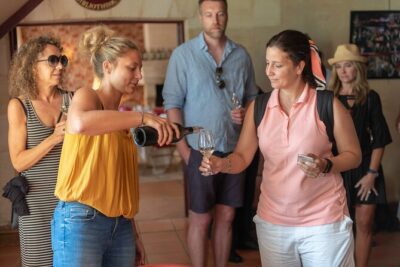
The tour finishes in the boutique with a guided tasting of the wines produced at the estate. This is the point where the earlier talk about vines and terroir becomes practical. You can compare the wines and think about how different colors and styles express the same estate.
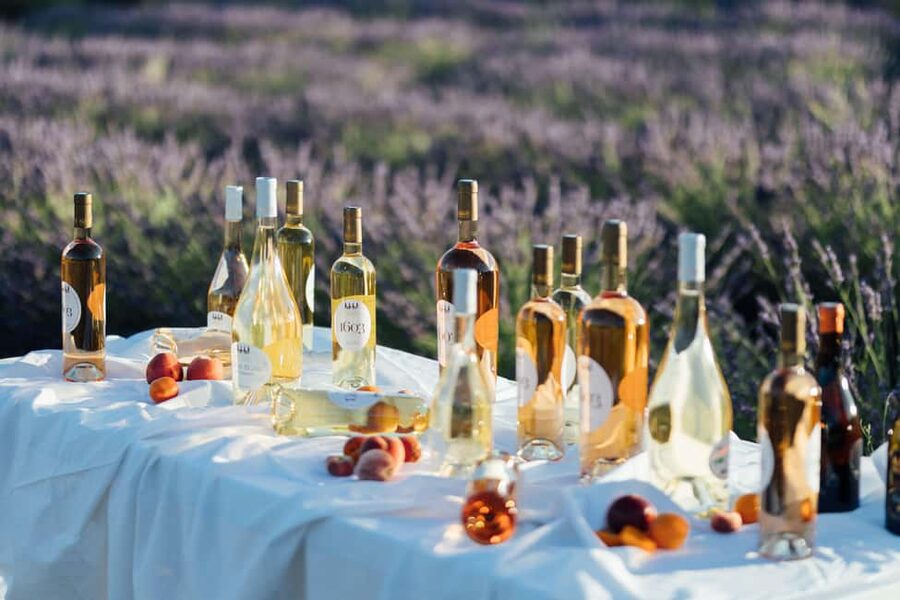
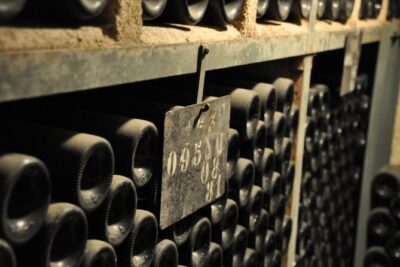
The tasting includes the estate’s white, rosé, and red wines. One visit included six wines, while another described generous pours and enough time to savor the different vintages. Exact wines and quantities can vary, so I would treat six as a useful example rather than a fixed promise.
The pace appears to be one of the better features. This is not described as a rushed sip at a counter before the group is sent away. You have time to taste and consider the differences, which matters more than a long list of samples. A smaller number of wines served with explanation can teach you more than a crowded flight with no context.
The boutique also gives you a chance to buy bottles if something appeals to you. That is optional, of course. The tasting should help you decide based on your own preferences, not pressure you into making a purchase.
One visitor also enjoyed an oil tasting, and the different oils were considered an easy purchase. Since olive oil is not listed as a guaranteed inclusion, you should not book this specifically for that feature. It may be offered alongside the wine experience, but the confirmed focus is the vineyard tour and wine tasting.
Is $25 a good value?
At $25 per person, the price is appealing for a guided vineyard visit in the Luberon. You are paying for more than a quick sample: the cost includes the vineyard walk, the discussion of eco-friendly work, an explanation of terroir, views toward nearby villages, and a guided tasting.
The value is especially good if you already plan to visit the Château de Sannes area and can make your own way there. Transportation is not included, and neither are meals, so your real cost will be higher if you need to arrange a taxi or other transport.
The price also makes sense for mixed-interest groups. A wine enthusiast gets information about farming and production. A casual drinker gets a scenic walk and a chance to compare several estate wines. Someone interested in photography gets views of the Luberon countryside and Ansouis. You do not need to be an expert to get something from the outing.
I would be less enthusiastic if you want an all-day wine route with several estates. The activity is valid for one day, but a specific tour length is not given. Do not confuse the one-day validity with a guaranteed full-day program. Check the available starting time and plan your surrounding schedule with some flexibility.
Who will enjoy this vineyard visit?
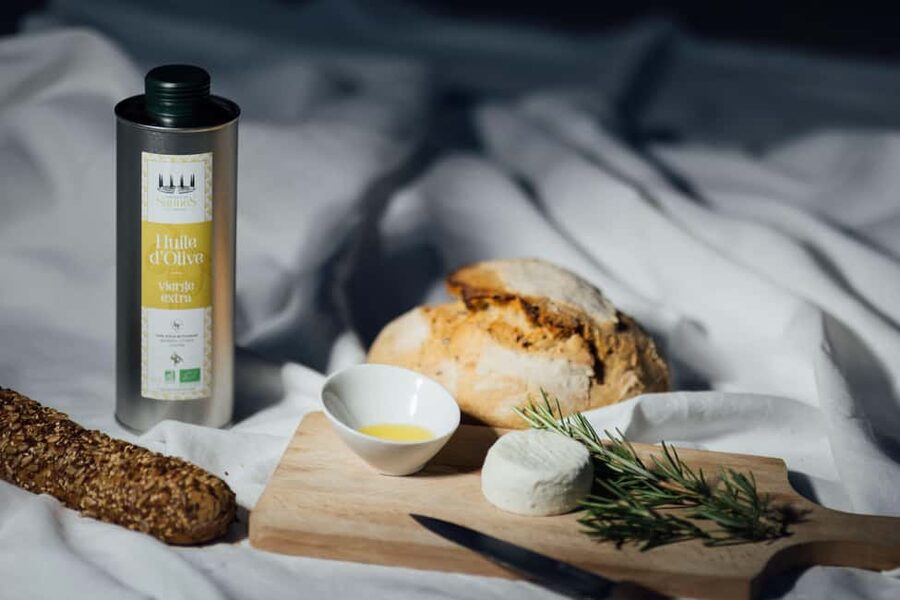
I would recommend it most to couples, small groups, and independent visitors who want a grounded introduction to Luberon wine. The combination of outdoor walking and tasting works well for anyone who prefers to see where a product comes from before sampling it.
It also suits people who care about farming methods. The estate’s eco-friendly work is not hidden behind the tasting. It is part of the explanation, giving you a more useful basis for judging the wines and the producer.
The tour is less suitable for anyone who wants to stay seated throughout. It is also a poor fit for wheelchair users and people with mobility impairments because the visit includes walking in the vineyard. Closed-toe shoes are required in practice, even if the formal advice is simply to wear comfortable walking shoes.
Families and non-drinkers may still find the scenery and vineyard explanation worthwhile, but the confirmed activity ends with wine tasting. If wine is not of interest to anyone in your party, the $25 price may be better spent elsewhere.
Practical advice for a smoother visit
Book with the weather in mind. The tour takes place outside, and the recommended kit tells you exactly what to carry:
- Comfortable closed-toe walking shoes
- A hat
- Sunscreen
- Water
- A camera
Go directly to the Château de Sannes boutique for the meeting point. Since transport is not included, check your route before booking and allow enough time to arrive without rushing.
The activity is offered in English with a live guide. If you have questions about wine vocabulary, farming methods, or the estate’s bottles, ask them during the walk. The tasting becomes more useful when you connect each glass with what you have just seen in the vineyard.
The cancellation policy is flexible: you can cancel up to 24 hours in advance for a full refund. You can also reserve now and pay later, which helps if your Luberon plans are still taking shape. Starting times vary, so availability needs to be checked for your chosen date.
Should you book the Château de Sannes tour?
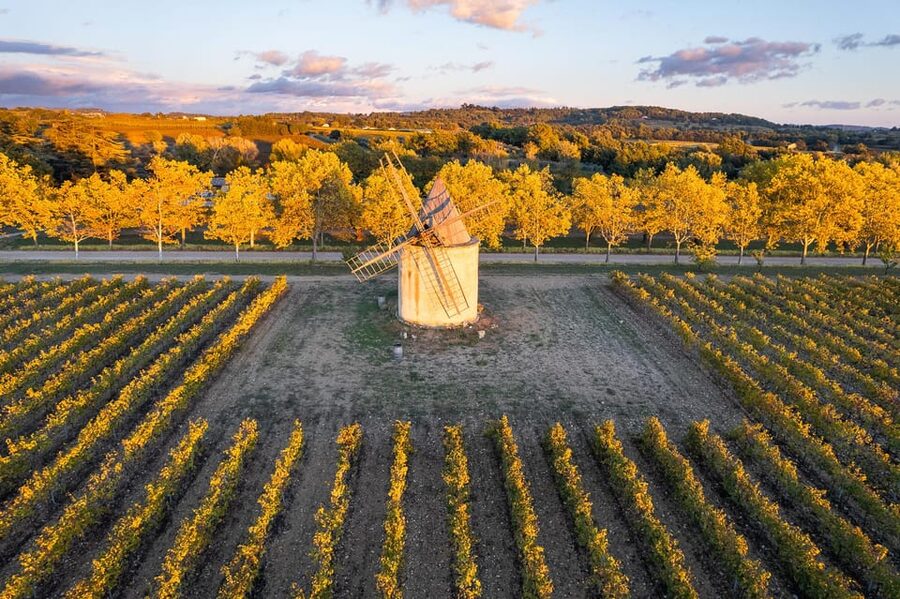
Yes, if you want a fairly priced, English-language introduction to Luberon wine with real vineyard walking and a scenic setting. The strongest reasons to book are the friendly guiding, the focus on eco-friendly work, the views toward Ansouis, and the generous tasting of white, rosé, and red wines.
I would skip it if you need step-free access, want a fully indoor tasting, or expect transportation and lunch to be included. For everyone else, $25 buys a useful look at how wine is grown, explained, and tasted at one Luberon estate. Bring water, wear proper shoes, and leave room in your schedule for a bottle you may want to take home.
FAQ
Where does the Château de Sannes vineyard tour meet?
The meeting point is inside the Château de Sannes boutique.
How much does the experience cost?
The listed price is $25 per person.
What does the price include?
It includes a guided vineyard tour, a discussion of eco-friendly vineyard practices, information about terroir and the vine, views of nearby countryside and villages, and a guided wine tasting.
Are meals included?
No. Meals are not included.
Is transportation included?
No. You need to arrange your own transportation to and from the vineyard.
Which wines are included in the tasting?
The tasting includes the estate’s white, rosé, and red wines. One visit included six wines, but the exact selection may vary.
Is the tour offered in English?
Yes. The experience includes a live English-speaking guide.
What should I bring?
Bring comfortable closed-toe shoes, a hat, sunscreen, water, and a camera.
Is the tour suitable for wheelchair users?
No. The experience is not suitable for wheelchair users or people with mobility impairments.
Can I cancel the booking?
Yes. You can cancel up to 24 hours in advance for a full refund. You can also reserve now and pay later.
Just added around France
- Vineyard of the Alpilles by bike★ 4.6 · 8 reviews
- Vosne-Romanée: Private Vineyards Walking Tour with Tasting★ 4.4 · 9 reviews
- Vineyard tour and wine tasting in Davron★ 4.5 · 7 reviews
- Private Vineyard Tour and Wine Tasting in Bandol★ 5.0 · 16 reviews
- Vineyard visit in Gyropode, visit of Cave & Tasting Wines of Bandol★ 5.0 · 19 reviews
- Bike ride on the Wine Route from Sélestat★ 5.0 · 5 reviews
- Horse riding in the vineyards of Grimaud + wine tasting★ 5.0 · 3 reviews
- 1/2 day private Vintage tour, vineyards of Saint-Tropez★ 5.0 · 6 reviews
France Vineyard Tours, compared.
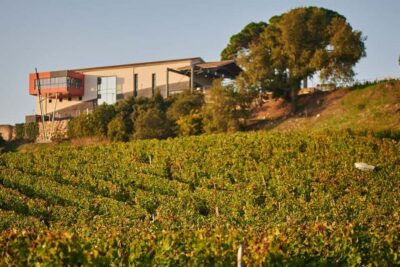
Saint-Émilion: Grand Cru Classé Winery Visit and Tasting
Our review →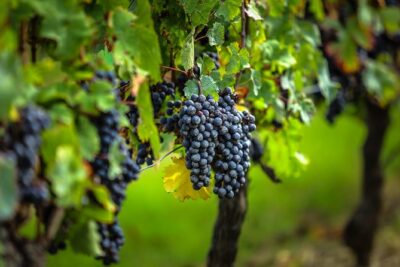
Saint Emilion Half-Day Trip with Wine Tasting & Winery Visit from Bordeaux
Our review →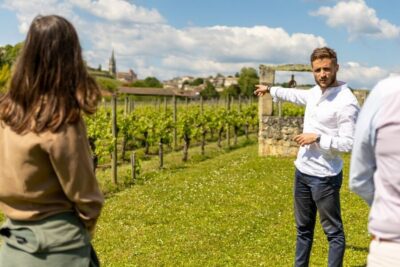
Saint-Émilion: Bordeaux Vineyard Tour and Wine Tasting
Our review →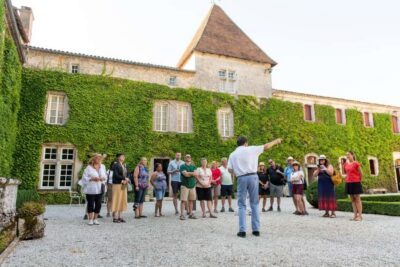
Small-Group Full-Day Tour of Côte de Nuits, Côte de Beaune Vineyards and Beaune Historical District
Our review →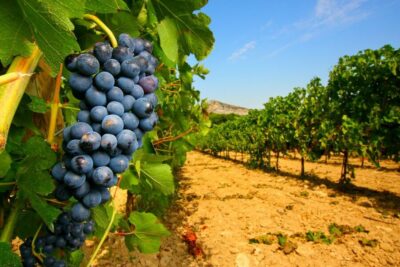
Every list this estate visit appears in