
REVIEW · FRANCE
Margaux – Discovery tour of the vineyard with a tasting of 4 wines
A small château, a serious tasting. This one-hour visit at Château Haut-Breton Larigaudière gives you a clear look at a family wine estate, from the vat room to the barrel cellar, followed by four guided tastings. I like the small group of no more than 10 people, which should make it easier to ask questions, and I like the price: $17 is modest for a guided château visit and four wines. The main consideration is that the experience is brief, and guide quality may vary. One visitor found the presentation too rehearsed, while others praised guides including Thomas, Orane, and Martins for their warmth and clear English.
You begin at the château shop, so arrive five minutes early and be ready to start promptly. The visit is offered in French and English, and the estate is wheelchair accessible. It is strictly for adults, though, and children under 18 cannot join the tour.
Key points at a glance
- Four wines in one hour: The tasting gives you a useful sample of the estate’s work without taking half a day.
- A three-generation family estate: The De Schepper family story adds a personal side to the Margaux appellation.
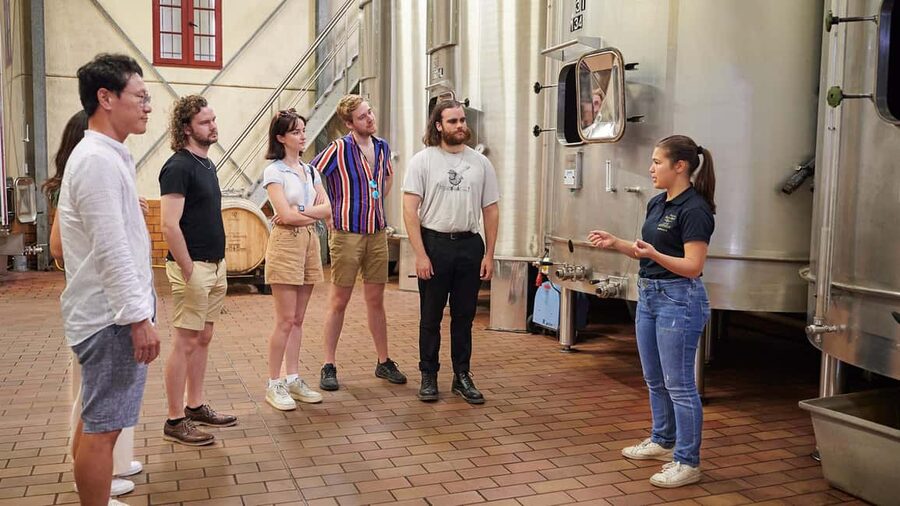
- Production rooms included: You visit both the traditional vat room and the barrel cellar, not just the shop.
- Small groups of up to 10: This is a more intimate format than a large bus tour.
- Bilingual guidance: French and English are available, with several strong comments about clear English-speaking guides.
- Adults only: The tour is designed for wine drinkers and is not suitable for anyone under 18.
Why this Margaux visit is worth your hour
Margaux can feel like a place where famous names and expensive bottles dominate the conversation. This tour offers a more approachable way to understand the area. You are not simply shown a bottle and sent to a tasting table. You are introduced to a family estate and shown how the wine moves through the working parts of the château.
That matters because wine can seem mysterious when you only encounter it in a glass. Seeing the vat room and barrel cellar gives you a basic map of the process. You can connect the harvest, fermentation, aging, and bottling to what you taste later.
I also like the scale. A limit of 10 people creates a better chance for direct questions than a large coach-group visit. You may not receive a private tasting, but you should have enough room to hear the guide and follow the explanations without fighting through a crowd.
The one-hour length is another strength. You get a focused introduction rather than a long, technical lecture. If you have several wineries planned in the same day, this visit is easy to fit into your schedule. The tradeoff is simple: you will receive an overview, not a full study of every vineyard parcel, vintage, or production decision.
A few more vineyard visits around France worth a look
- Saint-Émilion: Grand Cru Classé Winery Visit and Tasting
★ 4.6 · 1,118 reviews - Saint Emilion Half-Day Trip with Wine Tasting & Winery Visit from Bordeaux
★ 4.5 · 1,034 reviews - Saint-Émilion: Bordeaux Vineyard Tour and Wine Tasting
★ 4.8 · 578 reviews
Starting at the château shop
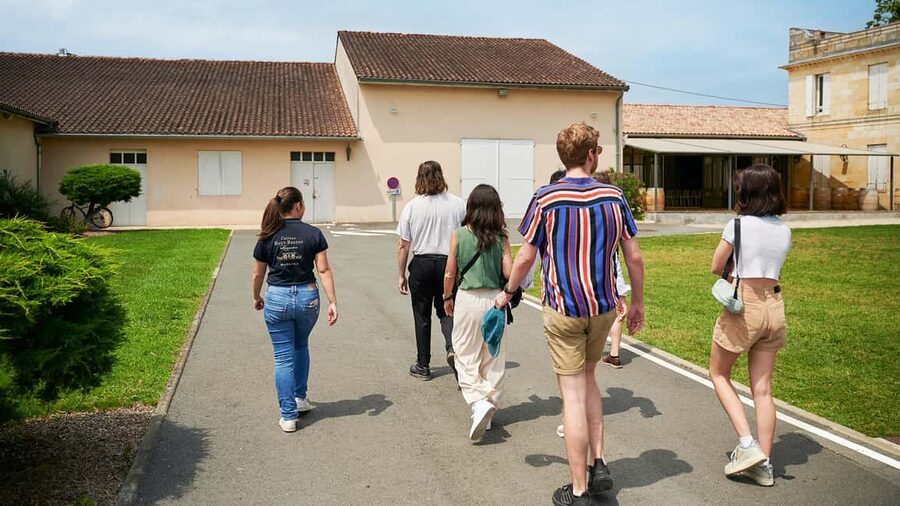
The meeting point is the château’s shop. Arrive five minutes before the scheduled start, since the group moves from there into the estate and the activity is timed for only one hour.
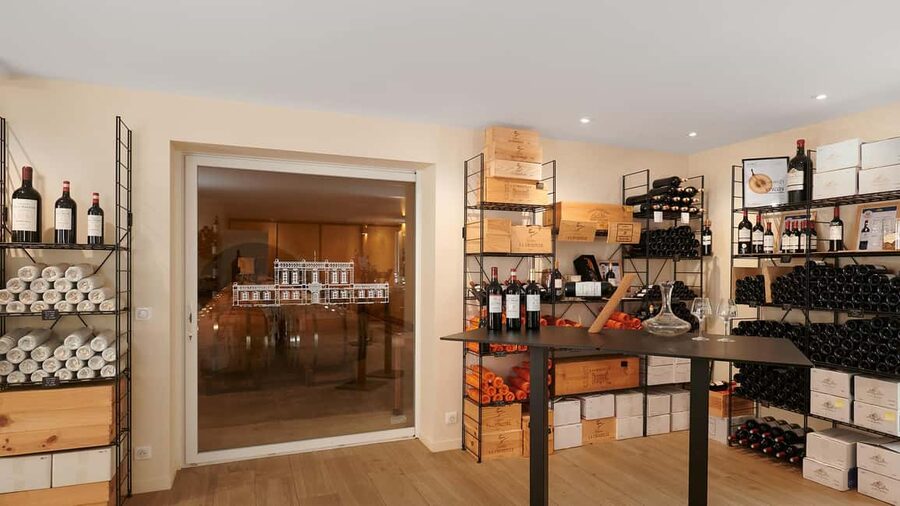
Starting in the shop is practical. You can get your bearings, meet the guide, and see where wine purchases are handled after the visit. Additional bottles or other purchases are not included in the $17 price, so keep that distinction in mind. The tour fee covers the guided estate visit and the tasting, not anything you choose to buy afterward.
The shop may also set the tone for the visit. You are entering a working wine property, but this is still a commercial experience with bottles available for purchase. I would treat the shop as the starting point and possible finishing point, rather than expecting a long retail presentation.
Because the group is small, it is worth arriving with one or two questions ready. You might ask how the family estate has changed over three generations, or how the guide connects the four wines to the production rooms you see. The supplied details do not promise a special private appointment, so a little preparation can help you get more from the short format.
The De Schepper family story
The estate is connected with the De Schepper family, who have cultivated vines for three generations. That family connection gives the tour a useful human focus. Instead of hearing only broad facts about Bordeaux, you get an introduction to one family’s continuing work on the property.
For me, this is one of the better reasons to choose a family estate visit. Large wine regions can blur together when every château uses the same polished language. A multigenerational story gives you something concrete to follow: who works the vines, how knowledge passes through the family, and how tradition fits with present-day winemaking.
The available information does not provide a detailed family timeline, so do not expect a long genealogical presentation. The value is more direct. You learn that the estate has been shaped by three generations of De Schepper involvement, then see the facilities where that work continues.
Several guides have received especially warm praise. Thomas was described as friendly, clear, and instructive. Orane was praised for explaining the subject with passion and for speaking excellent English. Martins was singled out as the best part of one visit, while another English-speaking guide was called fantastic and clear.
That praise is useful, but it also points to one variable you cannot fully control: the individual guide. One less satisfied visitor felt the delivery sounded too much like a memorized script and lacked enthusiasm. I would not ignore that criticism. The subject is naturally technical, and a short tour can sometimes sound school-like if the presentation is too fixed.
Inside the traditional vat room
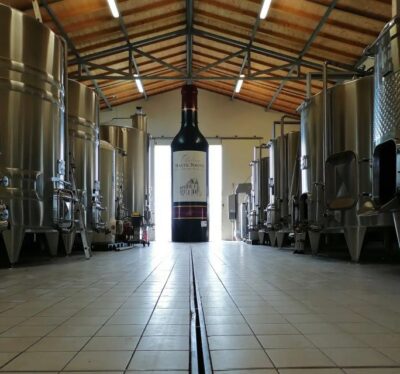
The vat room is where the tour shifts from family story to wine production. You can expect the guide to explain how grapes move through the early stages of winemaking and how the room fits into the process from harvest to bottling.
The word traditional is important here. This is not presented as a museum display alone. The vat room is part of the estate’s winemaking identity, and the guide uses it to show how the process is organized. You may not see every active step during your visit, since the exact work taking place can depend on the season, but the room gives you a physical setting for the explanation.
This stop is especially helpful if wine vocabulary is still new to you. A guide can connect the equipment and tanks to the changes taking place in the grapes. You can ask questions in plain terms and then hear how the answer affects the final wine.
Do not expect a long technical class. The tour lasts one hour and also includes the family story, barrel cellar, and tasting. The vat room is best understood as one part of a compact introduction. Its value comes from seeing the working space before you taste the results.
The experience may appeal to you if you enjoy knowing how things are made. It is less suited to someone who wants only an elegant château setting and a quick glass of wine. The production rooms are central to the visit, so the tour has a practical side rather than being purely decorative.
Same place, a completely different cellar door:
- Bordeaux: Vineyards Wine Tasting Half-Day Trip
★ 4.2 · 470 reviews - Half-Day Wine tour across Bordeaux’s Vineyards
★ 3.5 · 429 reviews - Saint-Émilion: Vineyard Walking Tour and Tasting
★ 5.0 · 404 reviews - Small-Group Full-Day Tour of Côte de Nuits, Côte de Beaune Vineyards and Beaune Historical District
★ 5.0 · 364 reviews
The barrel cellar and the road to bottling
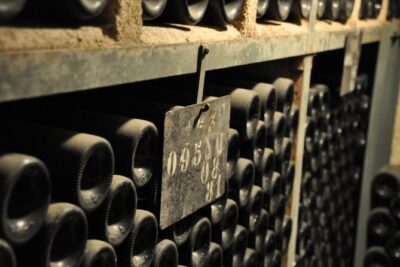
The barrel cellar provides the next stage in the story. After the guide introduces the earlier work in the vat room, you learn how wine is handled as it develops before bottling.
This stop helps explain why the tasting is not simply about grape variety or immediate fruit flavor. Aging, storage, and time also shape what reaches the bottle. Even a short explanation here can make the final tasting more useful because you have a clearer idea of what the estate is trying to achieve.
The information available does not specify the number of barrels, the type of wood, or the exact aging periods. That is worth noting. You should not arrive expecting a detailed comparison of barrel sizes or a technical session on oak. What you are promised is a visit to the traditional barrel cellar and an explanation of the winemaking process.
I like this part because it gives the tour a natural flow. You move from the family and the appellation to the rooms where wine is made and aged, then sit down to taste. That order makes more sense than tasting first and receiving production details afterward.
The cellar also gives the guide a chance to explain how care continues after harvest. The estate’s approach is described as meticulous, but the practical benefit for you is simple: you see that the wine requires attention at several stages, not just at the moment grapes are picked.
Tasting four wines with a guide
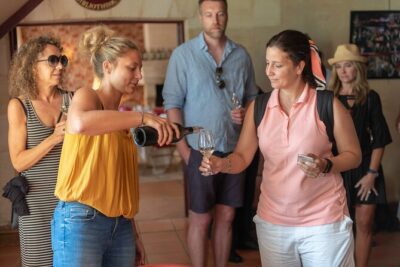
The tasting is the payoff, but it works best because it follows the visit. You taste four wines selected by the estate, with each one explained by a specialist guide. The guide discusses the wine’s aromas and the winemaking choices behind it.
Four wines is a generous number for a one-hour experience. You have enough samples to notice differences without being rushed through a long flight. It also gives the guide room to compare the wines and help you identify what changes from one glass to the next.
The comments about the tasting are strongly positive. One visitor called the wines interesting and delicious, while another described the tasting as excellent. That does not mean every bottle will suit every palate. Wine taste is personal, and the experience is designed to explain the selection rather than promise that you will love every pour.
I recommend listening for the link between the glass and the rooms you have just seen. Ask the guide to point out which aromas or textures reflect the wine’s production and aging. The tasting becomes much more valuable when you treat it as a lesson in observation rather than a simple sampling session.
The guided format is helpful for beginners. You do not need to arrive with advanced wine knowledge. The specialist can explain the aromas and subtleties in accessible terms, at least in principle. If your guide is one of the praised English speakers, the language barrier should be manageable. French is also available.
Remember that the four wines are included, but extra in-store purchases are not. If you find a bottle you want, that becomes a separate expense. The $17 admission remains reasonable even if you decide not to buy anything afterward.
How the guide can shape the experience
A good guide matters more here than it might on a self-guided visit. The estate, production rooms, and tasting are all compact, so the guide provides much of the context and energy.
The strongest feedback highlights three qualities: friendliness, clear explanations, and strong English. Thomas was praised for making the information easy to understand. Orane was noted for speaking English very well and explaining the wines with passion. Martins received particularly enthusiastic approval, while another guide was described as clear and effective in English.
These details should reassure English-speaking visitors who worry about following a wine explanation in France. Still, the less enthusiastic account is worth keeping in mind. One visitor felt the guide sounded as if the material had been memorized and lacked passion for the work.
I would treat this as a reason to stay engaged, not a reason to dismiss the tour. Ask questions, request clarification, and tell the guide what you already know about wine. A small group gives you a better chance to turn a standard presentation into a conversation.
Some content may be presented in its original language. Since French and English are listed as the tour languages, you should be able to choose between them, but exact language handling can depend on the guide and group. If clear English is important to you, confirm your preferred language when booking if that option is available.
Price, timing, and who gets the best value
At $17 per person, this is a good-value introduction to Margaux wine. You receive a guided estate visit, access to the vat room and barrel cellar, and four wines with commentary. The combination is stronger than a basic tasting-room stop because the production spaces give the tasting context.
The price is particularly attractive for a first visit to the region. You do not need to commit several hours or pay for a costly premium tour to learn the basic stages of winemaking. The one-hour format also limits the risk if you are still deciding how much wine tourism you want to include in your trip.
The main limitation is depth. If you are already an experienced Bordeaux collector, you may want more detail about vintages, vineyard parcels, aging methods, and technical choices. None of that is promised here. This is a clear introduction, not an advanced seminar.
The tour suits:
- First-time visitors to a Margaux estate
- Adults who want a short wine activity
- English- or French-speaking visitors
- Couples and small groups who prefer a quieter format
- People interested in production, not just château photographs
- Wine drinkers looking for four guided samples at a low price
It is not suitable for children under 18. That rule matters for family groups planning a day in the area. The château is wheelchair accessible, which may make the visit workable for some visitors with mobility needs, though the supplied details do not describe every surface or facility.
Free cancellation is available up to 24 hours before the activity for a full refund. You can also reserve now and pay later, which is useful when your Bordeaux plans are still shifting.
The limits of a one-hour estate visit
The short duration is both the tour’s advantage and its boundary. You get a clean, efficient introduction, but you will not cover every part of the estate or every question about Margaux wine.
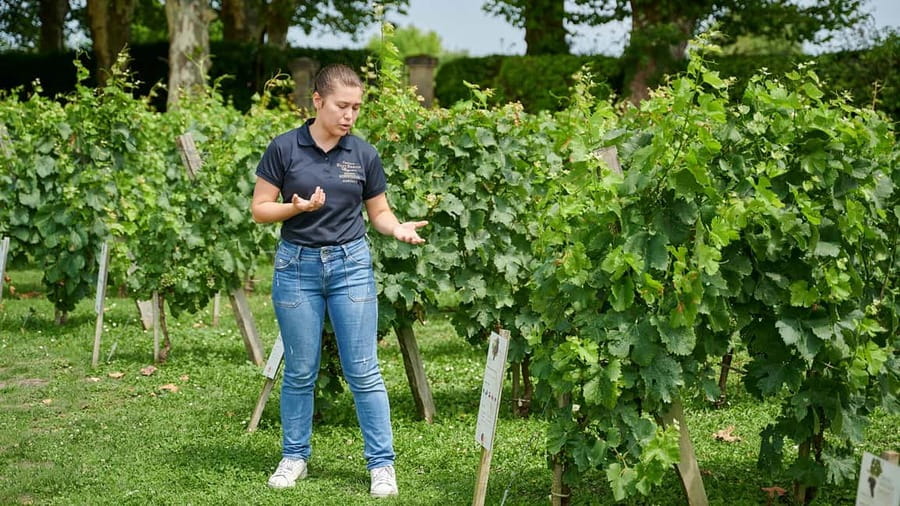
You also should not assume that the visit includes vineyard walking. The stated highlights focus on the family estate, appellation, vat room, barrel cellar, and tasting. The experience may explain the vineyards, but a formal walk among the vines is not specified.
Likewise, the available details do not promise food pairings, transportation, a meal, or a private tasting. The inclusions are the guided estate tour and guided wine tasting. Plan your expectations around those two items.
That clarity is helpful. You are paying for a focused wine visit, not a full-day food and wine program. If you want a simple, affordable stop with enough substance to make the wine more understandable, the limits are reasonable.
Should you book Château Haut-Breton Larigaudière?
I would book this tour if you want a short, affordable introduction to Margaux with real production spaces and four wines. The family story, small group size, bilingual guidance, and strong praise for guides such as Thomas, Orane, and Martins all add value.
I would skip it only if you want a long vineyard walk, a highly technical Bordeaux lecture, or a private appointment built around rare bottles. The guide’s style may also affect the experience, since one account found the delivery too scripted.
For most adults spending time in Nouvelle-Aquitaine, $17 is a sensible price for one hour at a family estate. Arrive five minutes early at the shop, choose French or English, ask questions, and pay attention to the link between the cellar rooms and the four wines. That is where this compact visit earns its keep.
FAQ
How long does the Margaux château tour last?
The experience lasts one hour.
How much does the tour cost?
The price is $17 per person.
Where does the tour begin?
The tour begins at the château’s shop.
How early should I arrive?
You should arrive at the château boutique five minutes before the activity starts.
How many wines are included?
The guided tasting includes four wines.
Are the estate tour and tasting included in the price?
Yes. The guided estate tour and guided wine tasting are included.
Is the tour available in English?
Yes. The tour is offered in French and English.
Are children allowed to join?
No. The experience is not suitable for children under 18.
Is the tour wheelchair accessible?
Yes. The activity is listed as wheelchair accessible.
Can I cancel for a full refund?
Yes. You can cancel up to 24 hours in advance for a full refund.
Just added around France
- Vineyard of the Alpilles by bike★ 4.6 · 8 reviews
- Vosne-Romanée: Private Vineyards Walking Tour with Tasting★ 4.4 · 9 reviews
- Vineyard tour and wine tasting in Davron★ 4.5 · 7 reviews
- Private Vineyard Tour and Wine Tasting in Bandol★ 5.0 · 16 reviews
- Vineyard visit in Gyropode, visit of Cave & Tasting Wines of Bandol★ 5.0 · 19 reviews
- Bike ride on the Wine Route from Sélestat★ 5.0 · 5 reviews
- Horse riding in the vineyards of Grimaud + wine tasting★ 5.0 · 3 reviews
- 1/2 day private Vintage tour, vineyards of Saint-Tropez★ 5.0 · 6 reviews
France Vineyard Tours, compared.
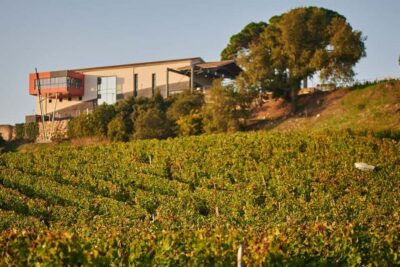
Saint-Émilion: Grand Cru Classé Winery Visit and Tasting
Our review →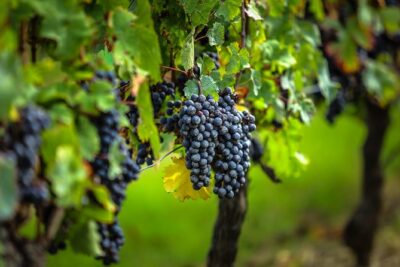
Saint Emilion Half-Day Trip with Wine Tasting & Winery Visit from Bordeaux
Our review →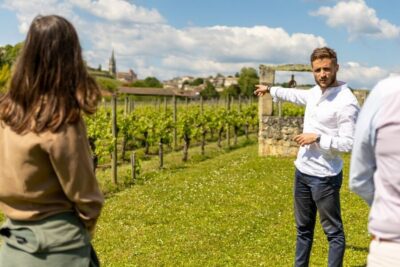
Saint-Émilion: Bordeaux Vineyard Tour and Wine Tasting
Our review →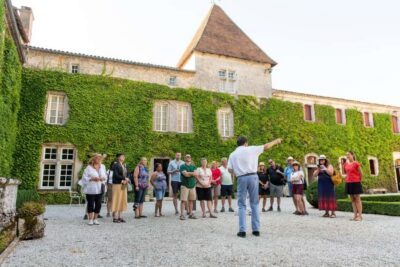
Small-Group Full-Day Tour of Côte de Nuits, Côte de Beaune Vineyards and Beaune Historical District
Our review →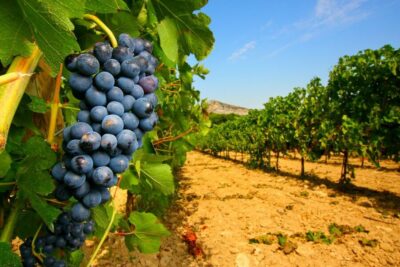
Every list this estate visit appears in