
REVIEW · FRANCE
Bandol: Family Vineyard Tour and Tasting
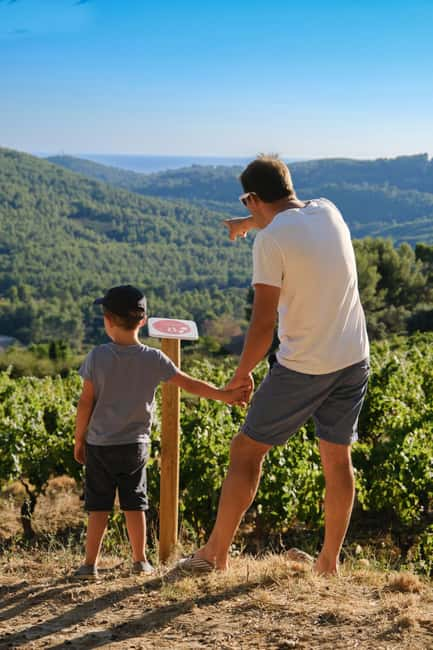
Bandol tastes better at the source. Château Canadel gives you two things I especially like: a family-led tour with real warmth, and a clear look at organic viticulture in the stone-walled restanque vineyards. The setting in the Castellet hills, about 10 minutes from Bandol, adds plenty of charm without turning the visit into a grand production.
The main point to consider is transport. You must arrange your own way to the estate, and public buses run only a few times daily. The tour is also conducted in French, so it suits you best if you understand French or are comfortable with some content presented in its original language.
Key points at a glance
- A small family wine estate: You meet passionate winegrowers who explain their work directly, rather than hearing a polished speech from a distant brand representative.
- Restanque vineyards: The opening walk shows how the estate works with Bandol’s traditional stone terraces and local growing conditions.
- Organic methods explained on site: You learn how the family approaches soil, vines, and ecology in practical terms.
- Mourvèdre takes center stage: This iconic Bandol grape helps explain the character of the estate’s red wines and the wider appellation.
- Four wines to taste: The tasting includes AOC Bandol white, rosé, and red vintages, giving you a useful look across the range.
- A $23 experience with flexible timing: The visit lasts about 90 minutes, but a curious group may spend closer to an hour and a half asking questions.
Why Château Canadel makes sense for a Bandol wine visit
Bandol is not simply a place to stop for a bottle of rosé on a hot afternoon. It is one of Provence’s best-known wine areas, and the region’s vineyards have a strong identity tied to their grape varieties, dry conditions, and stony terraces.
At Château Canadel, you get a compact introduction to that identity. The estate sits at 98 Chemin du Canadeau in the Castellet hills, roughly 10 minutes from Bandol. That location matters because you leave the coastal resort atmosphere and reach the working source of the wine.
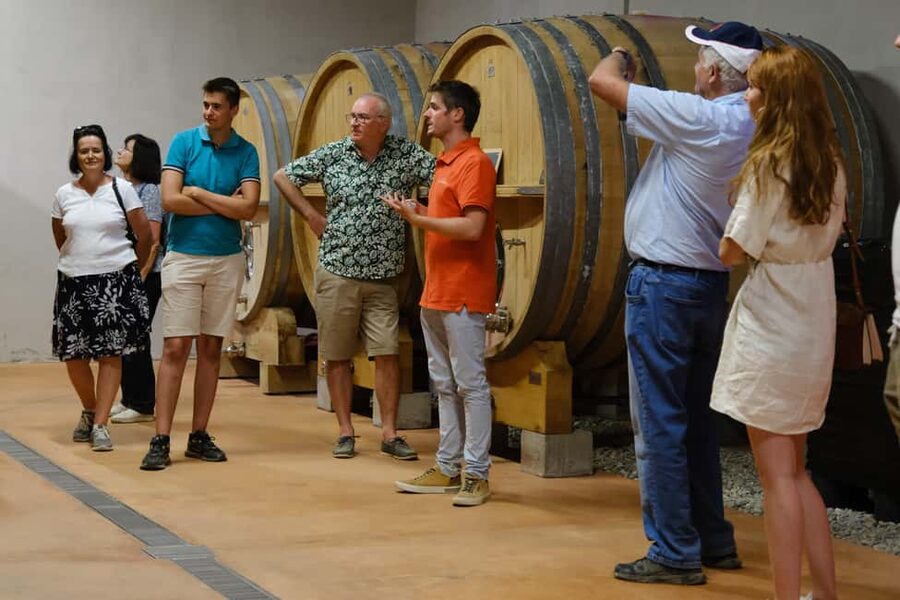
I like the scale of this experience. It is designed around a family of winemakers, not a large visitor center with a long queue and a fixed script. You can ask how the wine is made, why Mourvèdre matters, and how organic methods affect the work in the fields.
The 90-minute format also works well during a day in the Bandol area. You get enough time for the vineyards, cellar, and tasting, but the appointment does not swallow your entire afternoon. If you are interested and ask plenty of questions, the visit can stretch from one hour toward an hour and a half.
A few more vineyard visits around France worth a look
- Saint-Émilion: Grand Cru Classé Winery Visit and Tasting
★ 4.6 · 1,118 reviews - Saint Emilion Half-Day Trip with Wine Tasting & Winery Visit from Bordeaux
★ 4.5 · 1,034 reviews - Saint-Émilion: Bordeaux Vineyard Tour and Wine Tasting
★ 4.8 · 578 reviews
Walking the restanque vineyards
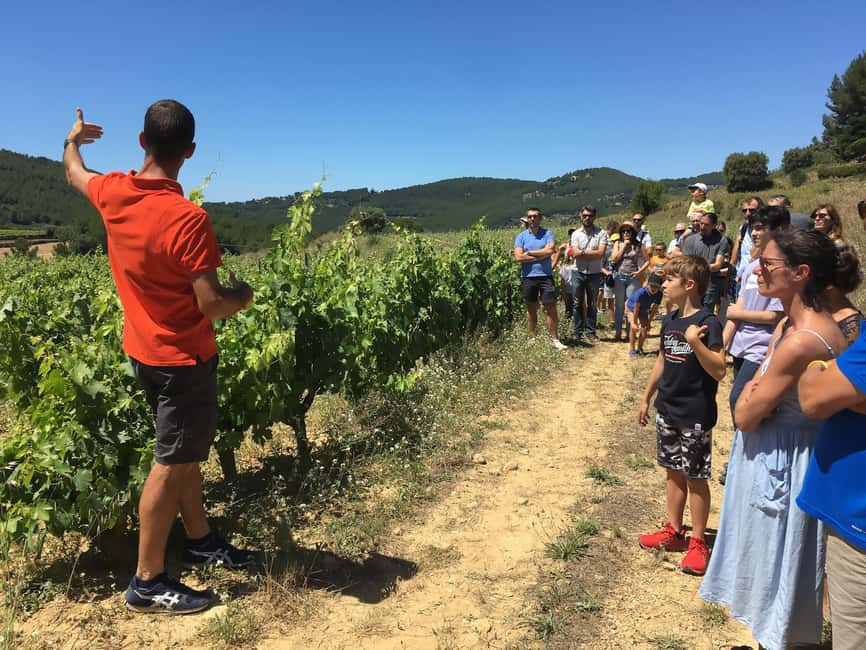
The tour begins with a guided walk through the restanque vineyards. Restanques are traditional stone terraces found across Provence, built to hold soil on sloping ground and make cultivation possible. Here, the terraces are not just a pretty backdrop. They help you see the physical work behind the wine.
This first section lasts about 30 minutes. The guide explains the estate’s terroir, organic viticulture, and eco-friendly practices while you look at the vines in their actual setting. That order is useful. Instead of hearing abstract terms in a tasting room, you connect the farming choices with the soil, slope, and surrounding hills.
The focus on organic growing is one of the strongest reasons to book this visit. You learn about the estate’s respect for nature and its effort to limit harmful practices. The information provided does not promise that every question will receive a technical lecture, but the family’s commitment to ecology is central to the tour.
You should also listen for the discussion of Mourvèdre. This grape is especially important to Bandol, particularly for red wines, and it gives the tasting a local anchor. Understanding the grape before you taste it makes the final wines easier to compare.
The vineyard walk may be less appealing if you want nothing but a quick tasting. This is a working farm visit, so the emphasis is on how grapes are grown as much as on how wine is poured. Wear sensible shoes and be ready to spend part of the tour outdoors.
Inside the cellar, from fermentation to oak
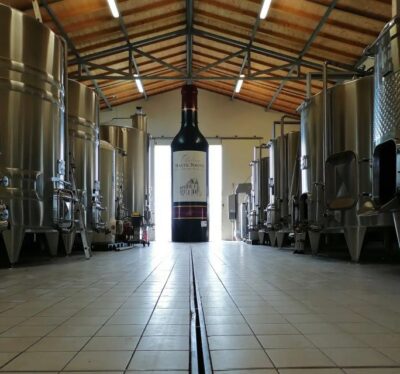
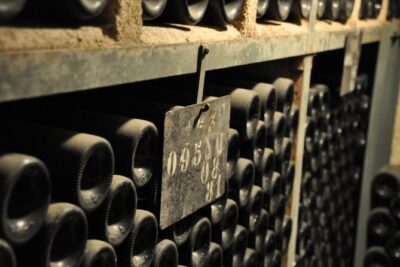
The second guided section moves into the cellar. This is where the tour follows the grapes after harvest and explains the stages of winemaking, including fermentation and aging in oak barrels.
I find this part valuable because it answers the questions that often get skipped during a standard tasting. You can ask what happens between picking and bottling, how the wine changes during aging, and why a winemaker chooses particular cellar methods.
The cellar also helps you understand why the wines are not all alike. White, rosé, and red wines require different handling, and the process affects their final texture, aroma, and balance. The tour does not merely tell you that the estate makes several colors of wine. It shows how the production process leads to those differences.
The family approach comes through strongly here. The guide is described as passionate, precise, and closely involved in the estate’s work. You are encouraged to ask questions rather than simply stand quietly while someone recites facts.
That personal contact is a major strength. Several comments describe the welcome as warm and the explanations as clear and interesting. One French visitor particularly praised the guide’s ability to communicate respect for the terroir and a spirit of sharing around wine. That gives you a good idea of the mood: serious about the product, but not stiff.
The language is French, and this is an important practical detail. If you speak French, you will get the full benefit of the explanations and conversation. If you do not, some content is shown in its original language, so you should not expect a complete English-language tour.
Four Bandol wines in the tasting room
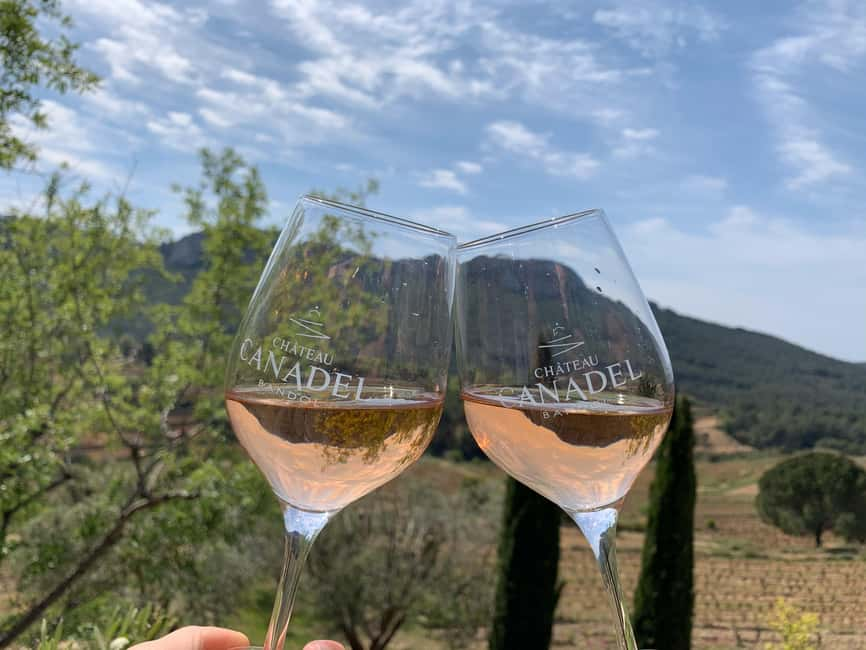
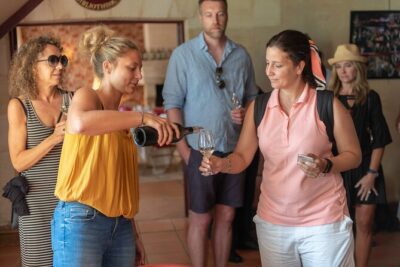
The final 30 minutes are devoted to tasting. You sample four vintages, including AOC Bandol blanc, rosé, and rouge. Since the tasting covers several wine styles, it gives you more value than a single glass and helps you compare the estate’s approach across the range.
The tasting makes more sense after the vineyard and cellar visits. First, you see the growing conditions. Then, you hear about fermentation and barrel aging. Finally, you taste the result. That simple progression turns the wine from a drink into a story about place and process.
The red wine offers a chance to think about Mourvèdre and its role in Bandol. The rosé connects with the style many people expect from Provence, while the white shows another side of the appellation. The information does not specify the exact bottles, years, or tasting order, so you should see the selection as a representative introduction rather than a guaranteed lineup of named vintages.
I like that the tasting is described as friendly and authentic rather than formal. You can ask questions as you taste, and the guide can explain what you are noticing. This is particularly helpful if you know a little about wine but want a stronger understanding of Bandol.
The wines received strong praise, with comments describing them as delicious and incredible. The estate itself was also appreciated for its attractive setting and welcoming presentation. Still, taste is personal. If you prefer only one type of wine, the broader tasting may not suit you as well as a focused appointment built around reds or rosés.
Local food pairings are not included. You should not expect a plate of regional specialties alongside the four wines. The experience concentrates on the estate, its wines, and the family’s methods. You can purchase bottles or local goods afterward, but those purchases cost extra.
Same place, a completely different cellar door:
- Bordeaux: Vineyards Wine Tasting Half-Day Trip
★ 4.2 · 470 reviews - Half-Day Wine tour across Bordeaux’s Vineyards
★ 3.5 · 429 reviews - Saint-Émilion: Vineyard Walking Tour and Tasting
★ 5.0 · 404 reviews - Small-Group Full-Day Tour of Côte de Nuits, Côte de Beaune Vineyards and Beaune Historical District
★ 5.0 · 364 reviews
The shop and advice before you leave
After the tasting, you have exclusive access to the estate shop and can receive personalized advice. This is useful if you want to choose a bottle but are unsure which wine fits your meal, taste, or budget.
The shop also gives the visit a practical finish. You have just tasted several wines, heard how they were made, and can now ask which bottle best represents what you enjoyed. I would use this moment to ask about the white, rosé, and red styles rather than buying quickly because the setting feels charming.
Wine and local goodies are not part of the $23 admission price. That is fair, but you should factor it into your spending if you plan to leave with bottles. The tasting fee covers the guided vineyard and cellar visit, four wines, and access to advice in the shop. For a 90-minute appointment, that is a solid price.
The value is strongest for people who want context. If you only want to taste inexpensive Provence wine, you may find the admission less compelling. If you want to understand how a small family estate grows grapes, makes wine, and presents its Bandol range, $23 is reasonable.
Getting to Château Canadel from Bandol
You need to arrange your own transport to 98 Chemin du Canadeau. The meeting point is Château Canadel’s cellar and tasting room, not a pickup point in Bandol.
The estate is about 10 minutes from Bandol, but that does not mean it is effortless to reach without a car. Public transport can be difficult, with buses running up and down the area only three times a day. Missing one could disrupt the rest of your plans.
If you are driving, build the appointment into your day and allow enough time to arrive without rushing. The experience begins with a welcome and vineyard walk, so arriving late could mean missing part of the outdoor explanation.
This transport issue is the clearest drawback in an otherwise simple outing. The estate’s setting is part of its appeal, but rural wine properties often require more planning than a tasting room in the center of town. Check the route before booking, especially if you are relying on public transport.
Who will enjoy this family vineyard visit
I would recommend Château Canadel to you if you want a personal introduction to Bandol wine. It fits couples, families, and small groups who like meeting the people behind a local product and asking questions along the way.
It is also a good choice for anyone interested in organic farming. The tour does not treat ecology as a vague slogan. It places organic viticulture at the start of the visit, in the vineyards where those choices matter.
Wine beginners should feel comfortable here. You do not need advanced tasting skills to benefit from the tour. The sequence from vine to cellar to glass gives you a simple framework, and the guide can explain the process in everyday terms.
Experienced wine drinkers may appreciate the chance to discuss Mourvèdre, oak aging, and the estate’s three wine colors with someone directly involved in production. The visit is not presented as a specialist master class, so experts should book it for the family contact and setting rather than expecting rare technical detail.
I would think twice if you need an English-language tour, a public-transport-friendly outing, or food pairings. None of those is promised. I would also skip it if your main goal is a fast tasting with no walking or explanation.
Timing, price, and booking flexibility
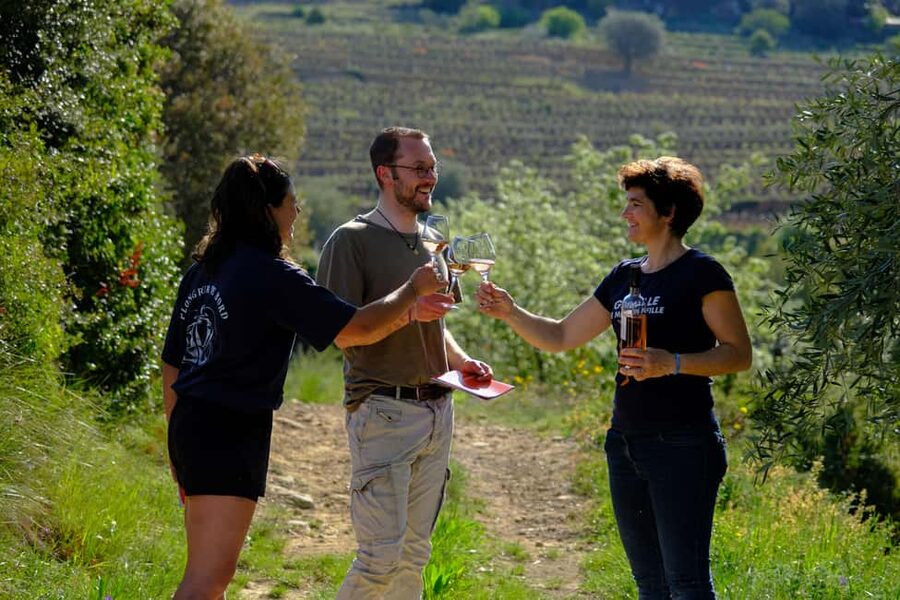
The listed price is $23 per person. For that amount, you receive a guided tour of the restanque vineyards and cellar, an explanation of organic growing and winemaking, a tasting of four vintages, and personalized help in the shop.
The advertised duration is 90 minutes, with the actual visit ranging from one hour to an hour and a half depending on how many questions you ask. That flexible timing is a plus. You can keep it moving if you have a busy day, or stay longer when the conversation is good.
You can cancel up to 24 hours before the appointment for a full refund. You can also reserve now and pay later, which helps if your plans around Bandol are still shifting. Starting times depend on availability, so check the schedule before setting up other activities.
The rating is 4.8 from 17 reviews, and the praise is consistent on the points that matter most: the friendly welcome, clear explanations, attractive estate, strong wines, and the guide’s commitment to the work. That pattern makes the experience look dependable, while the French-only format and transport challenge remain worth noting.
Should you book Château Canadel?
Book this tour if you want more than a glass of rosé and a souvenir bottle. You will see the restanque vineyards, learn how organic methods shape the estate’s work, follow the wine through the cellar, and taste four Bandol vintages with a family of winemakers.
At $23, it offers good value for a focused 90-minute visit, especially if you are already spending time near Bandol or the Castellet hills. Arrange a car or carefully check the limited bus service, and be ready for French-language explanations.
I would make this a strong choice for a relaxed Provence day built around local food and wine. Skip it only if you need English, want a meal included, or cannot manage the journey to the estate.
FAQ
Where is Château Canadel located?
Château Canadel is at 98 Chemin du Canadeau, in the Castellet hills, about 10 minutes from Bandol.
How long does the vineyard tour and tasting last?
The experience lasts about 90 minutes. Depending on how many questions you ask, it may take between one hour and one and a half hours.
What does the tour include?
It includes a guided visit to the restanque vineyards and cellar, an explanation of organic viticulture and winemaking, a tasting of four vintages, and access to the shop with personalized advice.
Which wines are included in the tasting?
The tasting includes AOC Bandol white, rosé, and red wines, with four vintages served in total.
Is transportation to Château Canadel included?
No. You must arrange your own transportation to the estate.
Is the tour offered in English?
The live guide speaks French. Some content is presented in its original language.
Are local food pairings included?
No. Tasting local specialties with the wines is not included.
Can I cancel the booking?
Yes. You can cancel up to 24 hours in advance for a full refund. You can also reserve now and pay later.
Just added around France
- Vineyard of the Alpilles by bike★ 4.6 · 8 reviews
- Vosne-Romanée: Private Vineyards Walking Tour with Tasting★ 4.4 · 9 reviews
- Vineyard tour and wine tasting in Davron★ 4.5 · 7 reviews
- Private Vineyard Tour and Wine Tasting in Bandol★ 5.0 · 16 reviews
- Vineyard visit in Gyropode, visit of Cave & Tasting Wines of Bandol★ 5.0 · 19 reviews
- Bike ride on the Wine Route from Sélestat★ 5.0 · 5 reviews
- Horse riding in the vineyards of Grimaud + wine tasting★ 5.0 · 3 reviews
- 1/2 day private Vintage tour, vineyards of Saint-Tropez★ 5.0 · 6 reviews
France Vineyard Tours, compared.
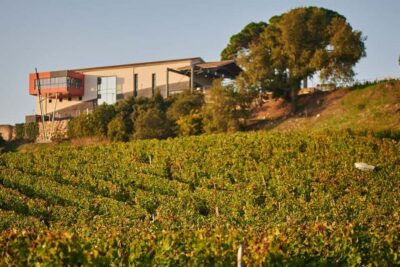
Saint-Émilion: Grand Cru Classé Winery Visit and Tasting
Our review →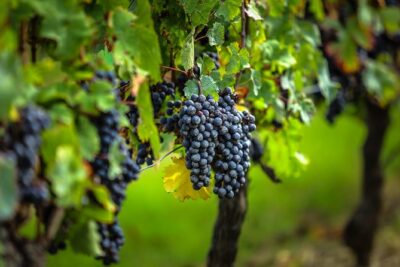
Saint Emilion Half-Day Trip with Wine Tasting & Winery Visit from Bordeaux
Our review →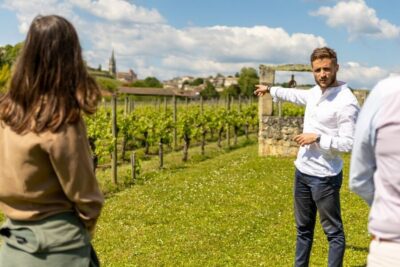
Saint-Émilion: Bordeaux Vineyard Tour and Wine Tasting
Our review →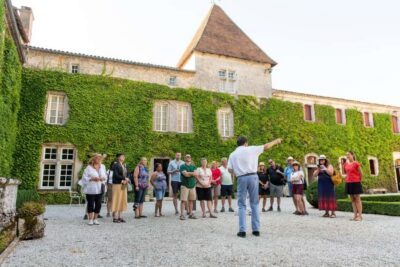
Small-Group Full-Day Tour of Côte de Nuits, Côte de Beaune Vineyards and Beaune Historical District
Our review →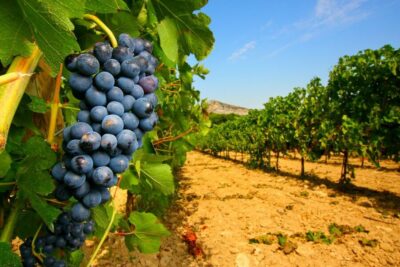
Every list this estate visit appears in