
REVIEW · ITALY
San Pietro di Feletto: Vineyard Tour with Cellar Visit
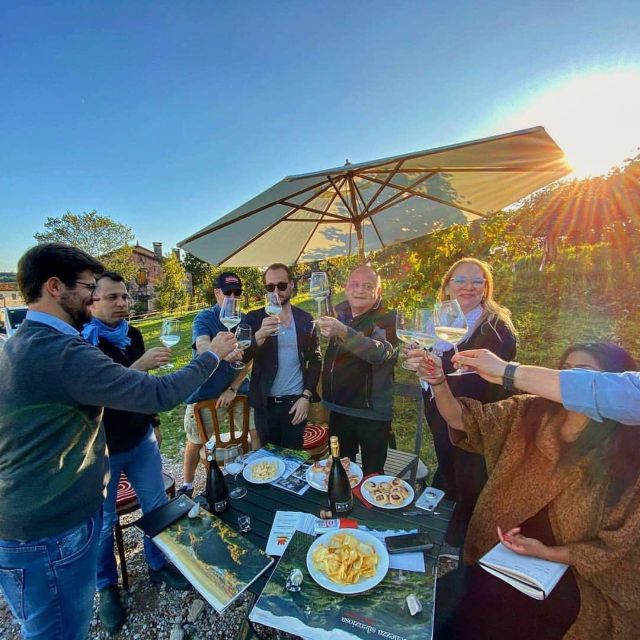
Wine country rewards a slow walk. At Mani Sagge in San Pietro di Feletto, you get vineyard paths, old estate buildings, and a 360-degree hilltop view before sitting down to taste Prosecco Superiore DOCG and Pinot Grigio. I like the strong family story behind the winery, and I like that the food is more than a token snack. The main consideration is time: two hours gives you a polished introduction, not a long technical study of every part of wine production.
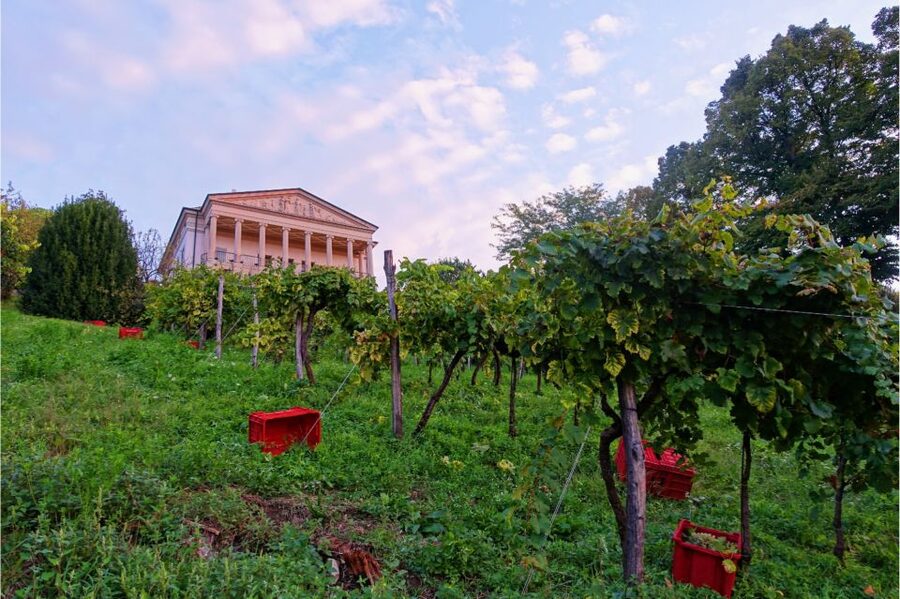
I also like the setting. The estate combines a pink house dating from the 1600s, ancient stables, old vines, and an underground cellar, so the visit feels tied to its place rather than built around a tasting room alone. The walk reaches a former castle site with views toward the vineyards, Conegliano Castle, and several churches.
Key points to know before you book
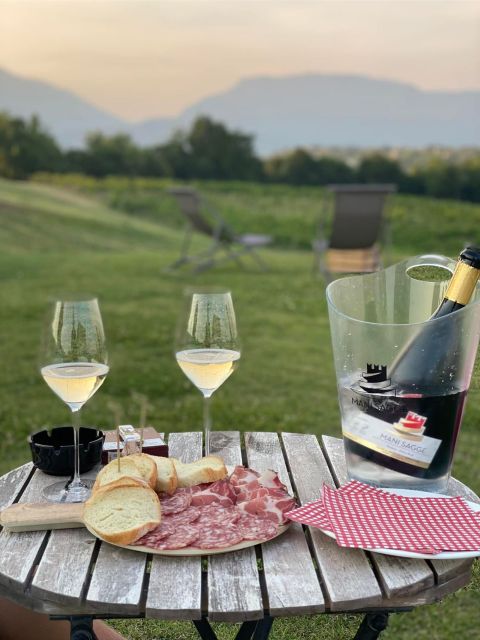
- The hilltop view is the scenic centerpiece: From the former castle site, you get a 360-degree view across the UNESCO-listed Prosecco hills and nearby villages.
- The estate has genuine historic character: The visit includes the pink 1600s house, ancient stables, and a centenary vineyard.
- The tasting covers several local styles: You taste different Prosecco Superiore DOCG wines plus the estate’s Pinot Grigio.
- Food is part of the price: Wine comes with croutons, suppressed bruschetta, pizzas, and cheeses typical of the area.
- The setting favors a small-scale wine visit: Mani Sagge presents itself as a family business with more than 100 years of passion behind it.
- Marco and his staff receive special praise: Direct feedback highlights their hospitality, courtesy, and willingness to help.
Arriving at Mani Sagge in San Pietro di Feletto
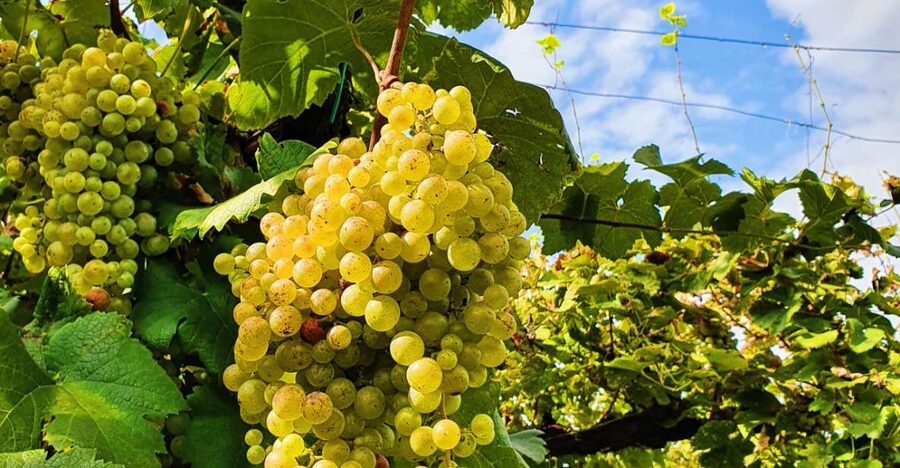
San Pietro di Feletto sits in Veneto’s Prosecco country, where vineyards climb and fold across the hills north of Conegliano. This is not a city winery visit. The appeal comes from being on an estate, with views, old buildings, and working vineyard ground all part of the setting.
The tour is private, according to the activity details, and led in Italian or English. That matters if you want to ask questions about the family business, the vines, or the wines without feeling rushed through a large public tasting.
The company traces its family wine tradition back more than 100 years. You are not simply tasting a famous regional product in an anonymous room. You are being introduced to one family’s place in the area and the way it has developed its estate.
The tour lasts two hours. That is a useful length for a half-day plan, especially if you are combining it with Conegliano, other Prosecco country stops, or a meal nearby. You should not expect a full-day wine course, a long vineyard lunch, or a detailed technical workshop at this price and duration.
The listed price is $70 per person. I see that as fair value because it combines a guided estate visit, the vineyard walk, the historic buildings, a scenic overlook, and food and wine. The value is strongest if you care about place and atmosphere as much as the glass in front of you.
More wine cellar visits around Italy:
- Abellonio Cascina Piccaluga – visit to the vineyards, to the wine tasting cellar
★ 5.0 · 237 reviews - Prosecco tasting, appetizers and tour of the cellar and vineyards
★ 5.0 · 178 reviews - Riomaggiore: Vineyard & Wine Cellar Tour with Wine Tasting
★ 4.7 · 100 reviews
The pink house and ancient stables
The first part of the visit brings you into the older side of the property. The pink house dates from the 1600s, and the estate’s ancient stables add another layer of rural history.
These buildings help explain the family’s connection to the land in a way that a modern cellar alone cannot. You can picture the property as a working agricultural estate before wine tourism became part of the region’s appeal.
The stables are especially useful for understanding the scale and age of the property. You are not just shown a bottle and told a story about tradition. The old structures give that story something solid to rest on.
I would pay attention here to the contrast between the historic buildings and the newer wine-making facilities. That contrast often tells you more about a family winery than a polished presentation does. At Mani Sagge, the underground cellar is described as a deliberate choice that respects the local setting.
The cellar visit is one of the more distinctive parts of the tour. An underground design can help keep the winery visually tied to the hill, rather than adding a large modern structure that competes with the countryside.
Walking among old vines and the centenary vineyard
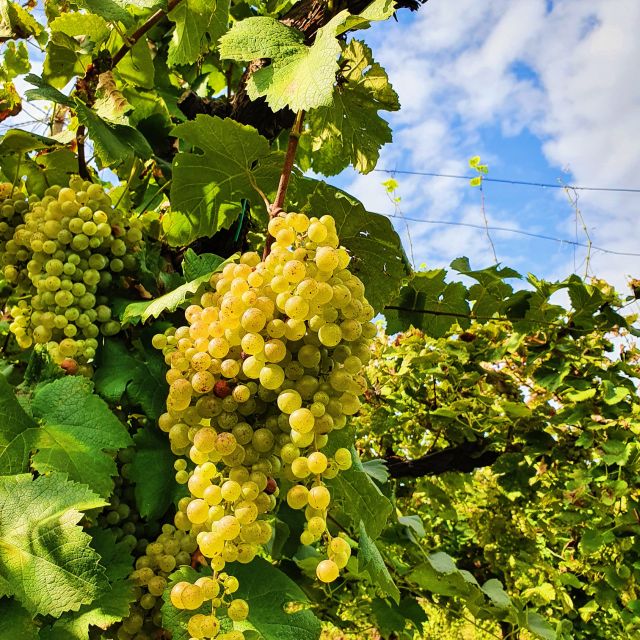
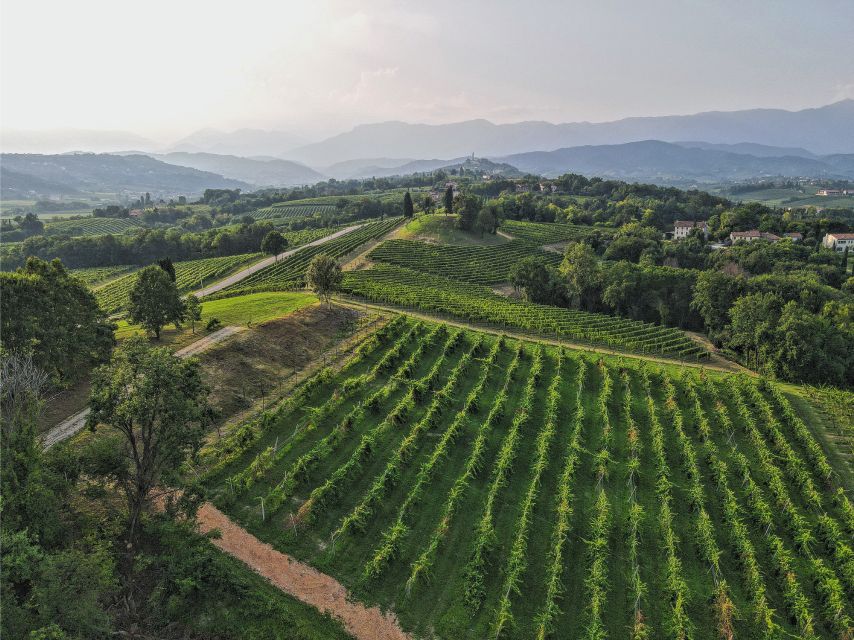
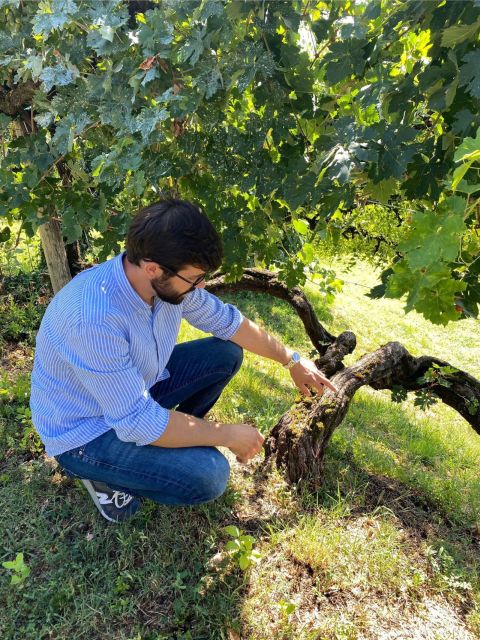
The vineyard walk gives the tour its sense of place. You follow some of the estate’s most attractive paths and see ancient vines, including a centenary vineyard.
The old vineyard is not just a photo stop. It connects the wines in your glass with the long time scale of agriculture. A young bottle can come from a tradition that reaches back through several generations, and this is where that idea becomes easy to understand.
I like this part because it slows the visit down. You are not moving from one indoor station to another. You are walking through the ground that shapes the fruit, the work, and the views.
The terrain also matters. The estate is on a hill, and the route includes paths rather than only flat indoor spaces. The activity is listed as wheelchair accessible, which is useful information, but you may still want to confirm the exact route if outdoor surfaces are important for your mobility. The supplied details do not describe the slope, path material, or any step-free route in detail.
There is no need to dress for a hard hike. Still, comfortable shoes make sense for a vineyard walk, especially if the ground is uneven or damp. That is practical advice rather than a claim about a specific trail surface.
The former castle site and the 360-degree view
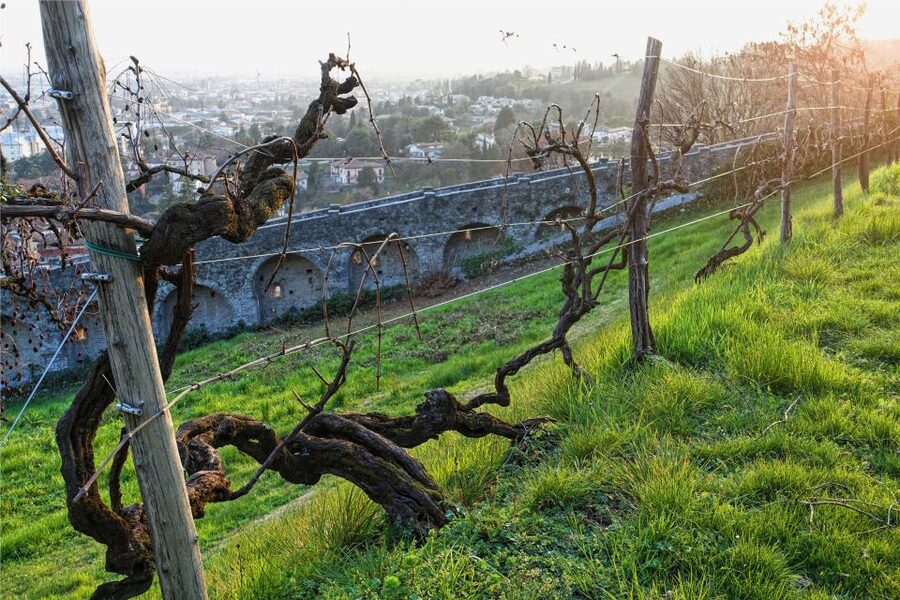
The high point of the visit is the hilltop where a castle once stood. From here, the view opens in every direction across the Prosecco hills.
You can see the estate’s vineyards, Conegliano Castle, and the churches of Formeniga, San Pietro, and Ogliano. Those named landmarks give the panorama some structure. Instead of looking at a broad sweep of hills with no reference points, you can place villages and buildings within the view.
This is also the best moment to understand why the area received UNESCO recognition. The hills are shaped by vineyards, settlement, and centuries of farming. The view is not simply pretty countryside. It shows how wine production has marked the land.
Bring your camera, but give yourself time to look without it. A 360-degree view works best when you slowly turn and pick out the churches and castle rather than treating the stop as a quick photo break.
The former castle site adds a little drama, but the tour does not promise surviving castle walls or a full archaeological visit. The attraction here is the position and the view. If you want restored rooms, ruins, or a museum, this is not that kind of stop.
A few more vineyard visits around Italy worth a look
- Half day Chianti Vineyard Escape from Florence with Wine Tastings
★ 4.5 · 2,196 reviews - Private Self-Guided E-Bike Ride in Tuscany with Vineyard Visit
★ 5.0 · 775 reviews - Florence: Chianti Wine Region Vespa or Fiat Topolino Tour
★ 4.8 · 739 reviews - From Venice: Prosecco Wine Region Tour with 2 Tastings
★ 5.0 · 374 reviews
Tasting Prosecco Superiore DOCG and Pinot Grigio
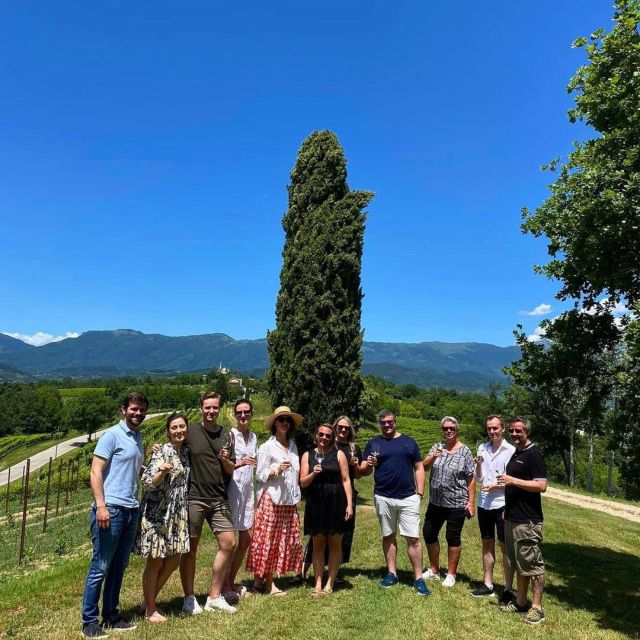
After the walk, the tasting puts the estate’s work into the glass. You sample different types of Prosecco Superiore DOCG and the company’s Pinot Grigio.
Prosecco Superiore DOCG is associated with the hill country around Conegliano and Valdobbiadene, rather than the broader category of Prosecco made across a larger area. That distinction is useful when you are trying to understand what makes this part of Veneto special.
The tasting is not limited to one sparkling wine. Comparing several Prosecco styles lets you notice differences in sweetness, freshness, and overall character, even if you are new to wine. The exact bottles and number of pours are not specified, so do not book expecting a fixed list of labels.
The Pinot Grigio gives the tasting a still-wine counterpoint. That is a good choice for anyone in your party who enjoys white wine but is less interested in sparkling wine. It also prevents the tasting from becoming one-note.
One direct recommendation from the feedback is the Extra Brut. If it is included in your tasting, I would give it special attention. Extra Brut is generally a drier style, so it may suit you if you prefer a sharper, less sweet finish.
The tasting should be approached as an introduction, not a certification course. You will learn about the family and taste the wines in their home setting, but the supplied details do not promise a formal lesson on grape chemistry, fermentation, or food pairing theory.
Local food turns the tasting into a light meal
The food is one reason the $70 price feels reasonable. You receive wine with croutons topped with suppressed bruschetta, pizzas, and cheeses typical of the area.
That spread gives you more than a few salty crackers beside the glasses. The cheeses and savory toppings help you compare how the wines work with food, while the pizza makes the visit more filling.
Food also keeps the tasting connected to everyday Veneto. You are not being asked to admire the wine in isolation. You get a taste of the local table, which is part of understanding why wine belongs here.
The details do not give serving sizes or say that the food replaces lunch. I would treat it as a substantial tasting plate or light meal rather than plan your entire day around it. If you have a large appetite, keep a later meal in your plans.
The quality of the tasting board receives especially strong praise. The food is described as generous and very good, which makes the visit more useful for people who value hospitality as much as vineyard scenery.
Family hospitality and the human side of the visit
The family element is central to the visit. Mani Sagge presents more than a product line. It explains how wine has remained a family passion for over a century.
That personal focus can make a winery tour more memorable. You hear about decisions, work, and continuity from the people connected to the estate, rather than receiving only a regional sales pitch.
Marco and his staff are specifically praised for their hospitality, kindness, and availability. If Marco is leading your visit, you may find that the human welcome becomes as important as the view. The feedback also describes the staff as prepared and helpful.
The company is presented as a boutique winery, with high-quality wines made on a small, focused scale. That does not mean every visitor will prefer the wines. Taste is personal, and the activity does not provide detailed production notes or awards for each bottle. Still, the format should suit you if you like direct contact with a family producer.
The underground cellar is another sign of the estate’s care for its setting. The choice is described as an act of respect for the local area, and it gives the visit a point of difference from a standard tasting held in a generic commercial room.
Who will enjoy this two-hour visit
I would recommend Mani Sagge to you if you want a gentle introduction to Prosecco country with several elements in one outing. You get scenery, estate history, a short walk, wine, and regional food without giving up an entire day.
It suits couples, families with adult children, and small groups interested in local food and wine. The Italian and English guide options make it practical for international visitors, and the wheelchair-accessible designation broadens its appeal.
This is also a good match if you prefer a scenic winery visit to a technical cellar lecture. The old house, stables, vineyard, and hilltop view give the tour a clear sense of place.
You may want something else if you are seeking a long hike, an extensive list of rare wines, or a detailed look at every stage of production. Two hours is enough for a well-shaped visit, but it naturally limits how much detail can fit in.
The activity does not state the group size, the exact tasting lineup, or the route’s surface conditions. If any of those points affect your decision, ask the provider before booking. The tour is listed as wheelchair accessible, but confirming the outdoor path details is still sensible.
Booking flexibility and practical details
The cost is $70 per person, with food and wine included. That price covers more than the tasting itself, so I would judge it against the full mix of activities rather than against the cost of a glass of Prosecco.
The duration is two hours, and starting times depend on availability. Italian and English are offered for the live guide.
You can cancel up to 24 hours before the activity for a full refund. You can also reserve now and pay later, which helps if you are building a Veneto itinerary before every detail is fixed.
The experience is listed as wheelchair accessible. Since the visit includes vineyard paths and a hilltop viewpoint, ask for precise access information if you need to know about slopes, surfaces, or the route between buildings.
Should you book Mani Sagge?
I would book this tour if you want a personal, scenic introduction to the Prosecco hills and appreciate food with your wine. The strongest reasons are the 1600s pink house, ancient stables, centenary vineyard, underground cellar, and the wide view toward Conegliano and nearby churches.
The tasting also has enough range to keep it interesting, with several Prosecco Superiore DOCG wines and Pinot Grigio. If Extra Brut is available, it is worth trying, especially if you like very dry sparkling wine.
Skip it if you want a full-day wine course or a strenuous countryside walk. For most people, though, the two-hour format is a smart fit: long enough to see the estate, hear its family story, enjoy the hilltop view, and eat well, but short enough to leave room for the rest of Veneto.
FAQ
How much does the Mani Sagge vineyard tour cost?
The tour costs $70 per person.
How long does the experience last?
The visit lasts two hours.
What wines are included?
The tasting includes different types of Prosecco Superiore DOCG and the company’s Pinot Grigio.
Is food included?
Yes. Food and wine are included, with croutons featuring suppressed bruschetta, pizzas, and cheeses typical of the area.
What languages are available?
The live tour guide is available in Italian and English.
Is the tour wheelchair accessible?
Yes, the activity is listed as wheelchair accessible.
Can I cancel the booking?
Yes. You can cancel up to 24 hours in advance for a full refund. You can also reserve now and pay later.
Just added around Italy
- Winery Visit & Tasting near Grosseto with 6 wines★ 4.8 · 6 reviews
- Winery Visit & Tasting on the Volcanic Slopes near Catania★ 5.0 · 2 reviews
- Winery Visit on Parma Hills & Wine Tasting with Food Platter★ 5.0 · 26 reviews
- Wine tour and lunch or dinner at our vineyard★ 4.6 · 15 reviews
- Wine Tasting and Winery Visit near Asti and Turin★ 4.5 · 5 reviews
- Wine tasting under the Stars in the vineyards of Agrigento★ 5.0 · 3 reviews
- Walk through our vineyard and aperitif★ 4.7 · 19 reviews
- Volterra: Aperivintage aperitif in vineyard whit a Fiat 500★ 5.0 · 7 reviews
Wine Cellar Visits, compared.
Abellonio Cascina Piccaluga – visit to the vineyards, to the wine tasting cellar
Our review →
Prosecco tasting, appetizers and tour of the cellar and vineyards
Our review →
Riomaggiore: Vineyard & Wine Cellar Tour with Wine Tasting
Our review →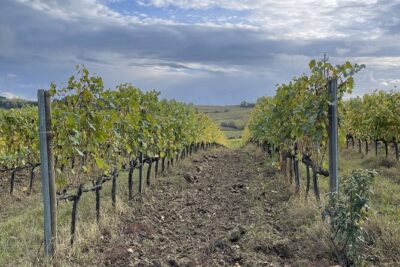
San Gimignano: Vineyard and Cellar Tour with Wine Tasting
Our review →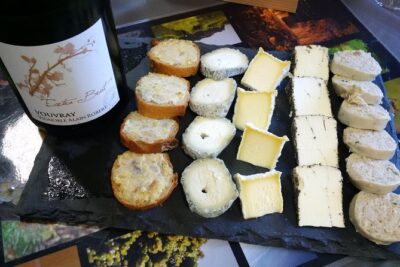
Tour of a Vineyard, Winery & Cellar with Wine Tasting in Vouvray, Loire Valley
Our review →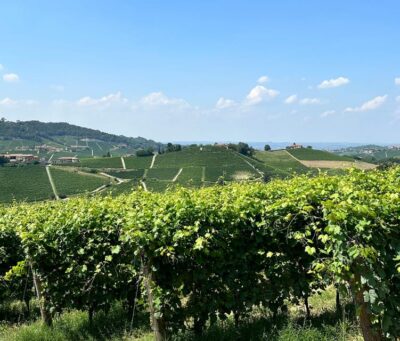
Monforte d’Alba: Barolo Tasting, Vineyard & Cellar Visit
Our review →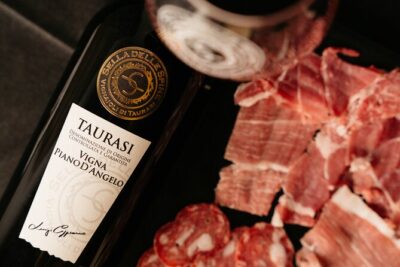
Sella delle Spine Taurasi: Tasting, Vineyard and Cellar Tour
Our review →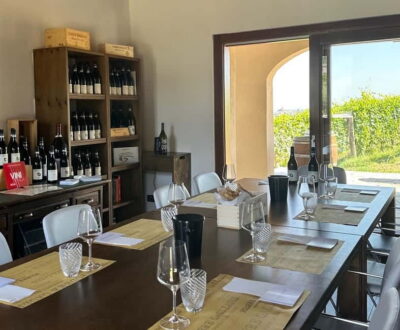
Monforte d’Alba: Wine Tasting, Cellar Visit, and Vineyard Tour
Our review →Every list this estate visit appears in