
REVIEW · ITALY
San Gimignano: Vineyard and Cellar Tour with Wine Tasting
Wine tastes better with a view. This short Tuscan outing pairs a guided vineyard walk with a cellar visit and a generous tasting of local wine, cured meats, cheese, dried fruit, cantuccini, and farm olive oil. I especially like the small group of up to eight and the chance to taste both Vintage and Riserva wines instead of rushing through one basic pour.
I also like the clear focus on local products, from Vernaccia di San Gimignano to Chianti Colli Senesi and Vinsanto del Chianti. The main consideration is time: at 1.5 hours, this is a compact introduction, not a full afternoon at the winery. If you want a long meal or a broad tour of several estates, you may find it brief.
Key points at a glance
- Taste three types of Tuscan wine: Vernaccia di San Gimignano D.O.C.G., Chianti Colli Senesi D.O.C.G., and Vinsanto del Chianti D.O.C. are included.
- Compare Vintage and Riserva versions: The tasting lets you notice how different styles and aging affect the wine.
- Walk through the vineyard first: The grapes make more sense once you have seen the vines around the winery.
- Pair wine with real farm products: Cured meats, cheese, dried fruits, cantuccini, and cold-pressed extra virgin olive oil accompany the pours.
- Expect a personal guide: Eleonora receives repeated praise for her clear English, warmth, humor, and detailed explanations.
- Pay $53 for a short, focused visit: The price is reasonable if you value a small group and a full food tasting, but less attractive if you want a long winery stay.
Starting among the vines near San Gimignano
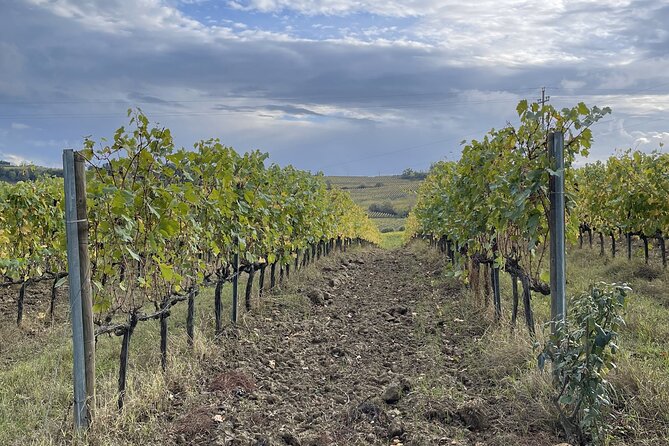
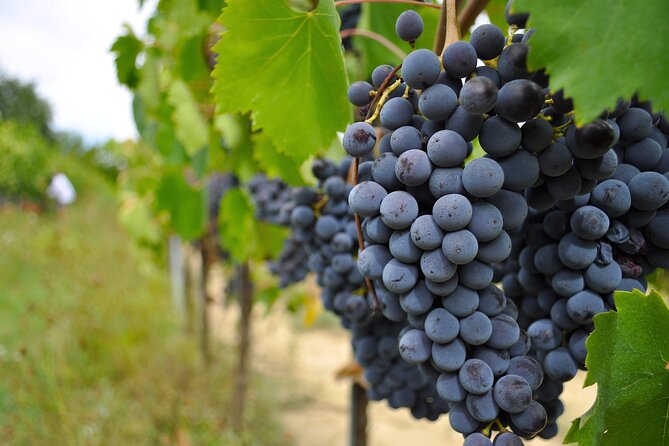
The experience begins with a guided walk through the vineyards surrounding the winery. This is a useful first step because it gives you a physical sense of where the wine starts, rather than putting a glass in your hand before explaining the work behind it.
The vineyard walk is not presented as a strenuous hike. It is a short introduction to the setting and the grapes used in production. Your guide explains how the vines grow and how that early work connects to the finished bottle. Eleonora has been praised for explaining both the grapes and the complete winemaking process in clear English, which matters if you want more than a scenic photo.
I like this part because it gives context to the tasting. When you later taste Vernaccia or Chianti, you have already heard about the raw material and the stages that follow. The visit is still concise, so you should not expect a technical agricultural lesson or a long walk through every part of the property.
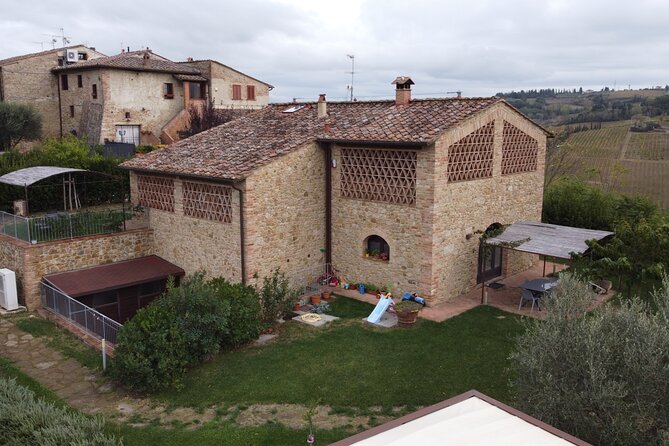
The setting adds plenty of appeal. One tasting has taken place outside on a terrace with a view toward Certaldo. The exact tasting arrangement can vary, but the possibility of sitting outdoors with Tuscan views makes this feel more personal than a tasting room with no connection to the surrounding land.
More wine cellar visits around Italy:
- Abellonio Cascina Piccaluga – visit to the vineyards, to the wine tasting cellar
★ 5.0 · 237 reviews - Prosecco tasting, appetizers and tour of the cellar and vineyards
★ 5.0 · 178 reviews - Riomaggiore: Vineyard & Wine Cellar Tour with Wine Tasting
★ 4.7 · 100 reviews
Inside the cellar, where wine changes character
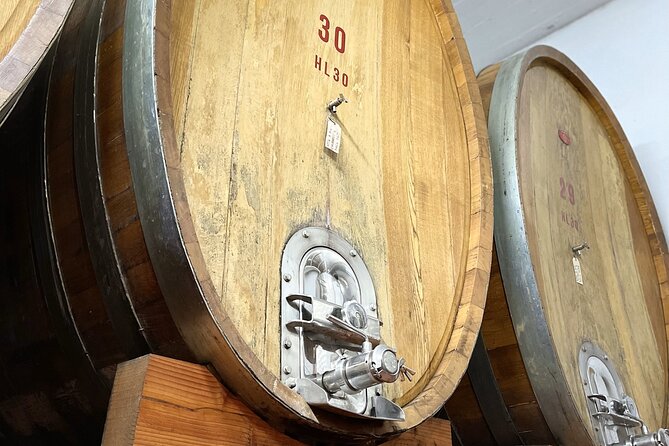
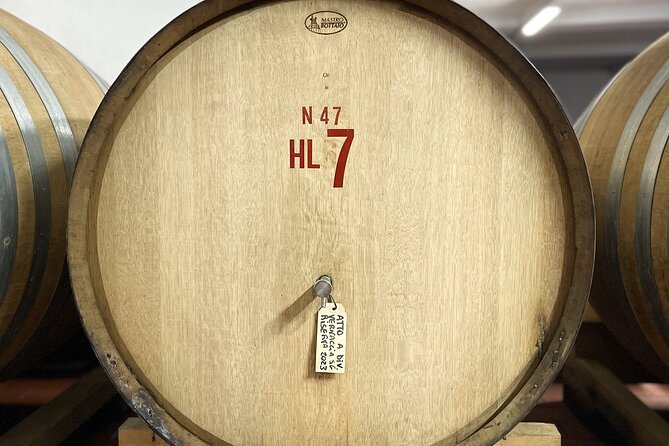
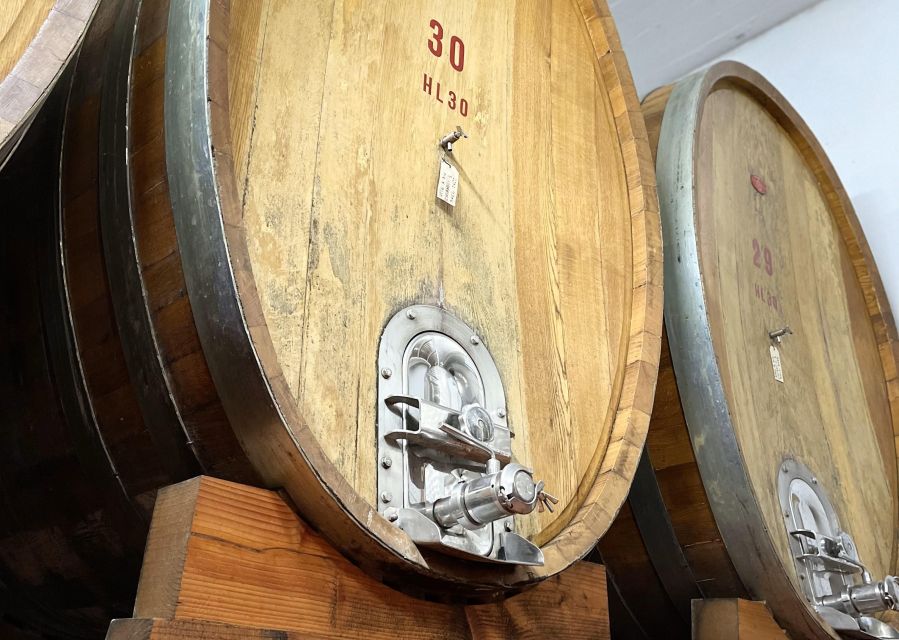
After the vineyard, you visit the wine cellar. Here, the focus shifts from growing grapes to vinification, the process of turning grape juice into wine, and the aging techniques used before the bottles are ready.
This is where the tour earns its place as more than a simple tasting. You learn why different wines may be handled in different ways and how time affects the result. The explanations are aimed at ordinary wine drinkers, not only people who already know Italian wine terminology. If you have ever looked at a wine label and wondered what the words actually mean, this part should help you read it with more confidence.
The cellar visit also makes the later comparison between Vintage and Riserva wines more useful. You may not become a winemaker in an hour and a half, but you can start to connect aging choices with differences in style, depth, and finish.
The tour does not promise an enormous production facility or a behind-the-scenes look at every machine. Its value is in the direct explanation and the chance to ask questions in a small group. With no more than eight participants, the format should feel less like a speech and more like a conversation.
Tasting Vernaccia and Chianti side by side
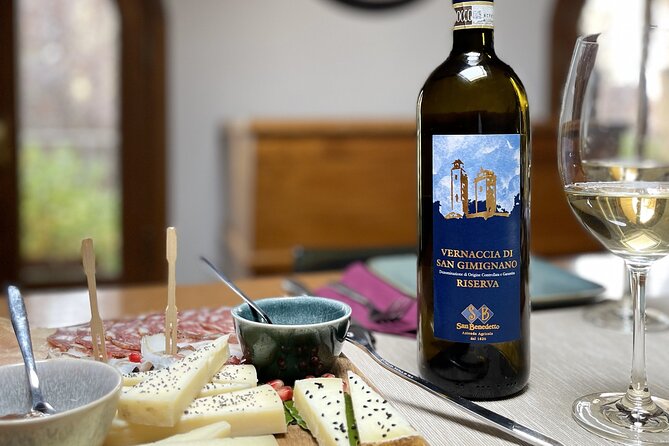
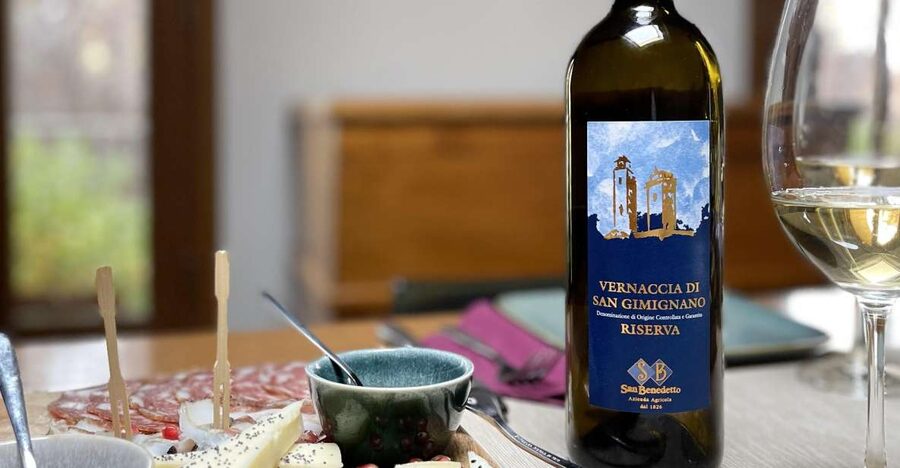
The central tasting includes Vernaccia di San Gimignano D.O.C.G. and Chianti Colli Senesi D.O.C.G. Both are offered in Vintage and Riserva versions, giving you several ways to compare the wines.
Vernaccia is closely tied to San Gimignano, so tasting it at a winery in the area gives the visit a strong local connection. Chianti Colli Senesi brings another Tuscan style to the table. The point is not simply to count the glasses. It is to notice how wines from different designations and aging categories can differ.
Eleonora is especially praised for teaching visitors how to read wine labels. That is a practical skill you can take with you. Italian labels can include appellations, aging terms, vintages, and producer information that seem confusing at first glance. A guide who explains what those details mean can make future wine-shop visits much easier.
The tasting is also flexible in spirit. If you already know a little about wine, you can ask more detailed questions. If you are new to wine, you can focus on basic comparisons without feeling out of place. The group size helps here, since eight people is small enough for a guide to respond to different levels of interest.
You should pace yourself. This is a tasting with food, not a contest to finish every glass. Take time to notice the differences and let the food show how each wine works at the table.
Vinsanto, cantuccini, and the sweeter finish
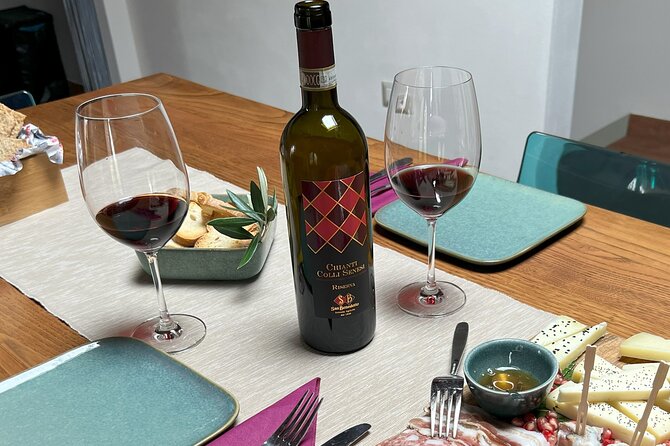
The tasting also includes Vinsanto del Chianti D.O.C. with traditional cantuccini. This pairing gives the experience a distinctly Tuscan final course.
Cantuccini are firm, twice-baked biscuits traditionally served with a sweet wine. Their crisp texture and almond flavor make them a natural match for Vinsanto. You may be encouraged to taste the wine and biscuit together, which shows how a dessert pairing can soften and balance the texture of the biscuit.
This part is a welcome change from a tasting built only around dry wines. It also gives you another way to think about wine and food. A winery visit is not only about identifying aromas or deciding which bottle you prefer. It is also about how local drinks fit into everyday meals and celebrations.
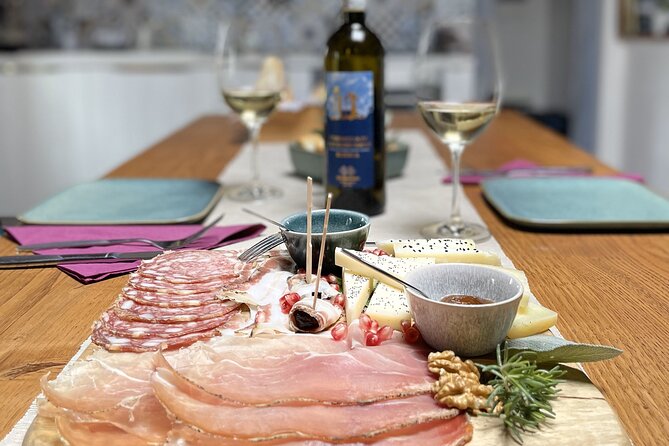
The food selection is broader than the dessert pairing. Cured meats, cheese, dried fruits, and cold-pressed extra virgin olive oil from the farm’s olive grove are included. The tasting therefore works well for someone who wants a light food experience alongside the wine, though it should not be confused with a full lunch.
A few more vineyard visits around Italy worth a look
- Half day Chianti Vineyard Escape from Florence with Wine Tastings
★ 4.5 · 2,196 reviews - Private Self-Guided E-Bike Ride in Tuscany with Vineyard Visit
★ 5.0 · 775 reviews - Florence: Chianti Wine Region Vespa or Fiat Topolino Tour
★ 4.8 · 739 reviews - From Venice: Prosecco Wine Region Tour with 2 Tastings
★ 5.0 · 374 reviews
The food makes this more than a flight of wine
At $53 per person, the value depends on what you want from the visit. If you only want a few samples, the price may feel high. If you want a guided vineyard and cellar tour, instruction on vinification and aging, several local wines, and a substantial spread of Tuscan foods, the cost is easier to justify.
The cured meats and cheese help turn the tasting into a proper social pause. Dried fruits add another pairing option, while the farm’s olive oil gives you a taste of another important Tuscan product. The combination lets you compare how savory, salty, sweet, and rich foods affect wine.
I also like the fact that the tasting includes products connected to the farm. You are not simply receiving generic snacks brought in to fill the table. The olive oil comes from the farm’s olive grove, and the food choices fit the regional setting.
Still, keep your expectations in check. The information provided does not promise a full meal, cooking demonstration, or extensive olive oil lesson. If you need lunch, plan that separately. Think of the food as generous tasting support rather than a restaurant replacement.
Eleonora’s teaching style matters
A good winery visit depends heavily on the person leading it. Here, Eleonora receives especially warm praise for her passion, humor, English, and ability to explain complicated subjects in a friendly way.
Her role seems to cover several layers of the experience. She can discuss the grapes and how they grow, explain the winemaking process, describe Italian wine culture, and show you how to read labels. That combination is useful because it links the vineyard, cellar, bottle, and table.
The personal tone is one reason the small group matters. With a maximum of eight people, you have a better chance to ask about a wine you prefer, a food pairing you enjoy, or a label you do not understand. A larger bus group would likely feel more rushed and less personal.
The guide’s English has also been praised directly, which is reassuring for English-speaking visitors. Italian is available as well. The experience is not built around a printed explanation, so the guide’s communication is central to its value.
Why the 1.5-hour format works, and where it falls short
Ninety minutes is enough time to cover the main stages without taking over your day. You can visit the vineyard, see the cellar, hear about vinification and aging, and sit down for the tasting. This makes the experience easy to fit between other plans in the San Gimignano area.
The short format is also useful if you are traveling with someone who likes wine but does not want a long estate visit. You get a clear introduction without committing to an entire afternoon.
The tradeoff is that each part must remain fairly focused. The vineyard walk cannot become a long agricultural tour, and the cellar explanation cannot cover every detail of production. You also have limited time to linger over the wines or ask a long list of questions.
I would choose this tour for a first taste of Tuscan wine, especially if you want structure and local food. I would look for a longer experience if your main goal is detailed wine study, a slow meal, or extensive time among the vines.
Who will enjoy this winery visit most
This experience suits couples, small groups of friends, and solo visitors who enjoy food and drink but do not want a large organized outing. It is also a good choice for beginners because the guide explains the basic process and label information instead of assuming advanced knowledge.
You will likely appreciate it most if you want:
- A compact activity near San Gimignano
- A small group rather than a crowded coach tour
- A guided explanation in English or Italian
- Local wines from recognized Tuscan denominations
- Food served with the tasting
- A terrace or vineyard setting when conditions allow
It may be less suitable if you do not drink alcohol, need a full meal, or want hotel transportation. Pick-up and drop-off are not included, so you must arrange your own way to the winery. The available information does not specify a transport service or meeting point, so check those details before booking.
The tasting format can work for mixed groups too. A wine enthusiast can ask about aging and labels, while a casual drinker can simply enjoy the food, setting, and introduction to Tuscan wine.
Booking details and practical value
The experience costs $53 per person and lasts 1.5 hours. The group is limited to eight participants, and live guiding is offered in Italian and English.
You can cancel up to 24 hours in advance for a full refund. You can also reserve now and pay later, which is useful if your Tuscany schedule is still shifting. These terms do not change the quality of the visit, but they make it easier to fit into a trip with changing plans.
Since hotel transportation is not included, allow time to reach the winery independently. The exact starting times depend on availability, so check the schedule before you build the rest of your day around it.
The strongest value comes from the combination of instruction and food. You are paying for more than wine samples: you get access to the vineyard and cellar, a guide-led explanation, several styles of wine, and pairings that include both savory and sweet items.
Should you book the San Gimignano wine tour?
I would book this if you want a friendly, well-organized introduction to Tuscan wine with a personal guide and enough food to make the tasting feel substantial. Eleonora’s clear explanations, the small group, and the chance to compare Vintage and Riserva wines give the visit real substance.
I would skip it only if you want a full meal, hotel transport, or a much longer winery stay. For most visitors with a free 90 minutes near San Gimignano, $53 is a fair price for a compact vineyard and cellar experience that connects the wine to the food, farm, and place.
FAQ
How long does the vineyard and cellar tour last?
The experience lasts 1.5 hours.
How much does the tour cost?
The price is $53 per person.
Which wines are included?
The tasting includes Vernaccia di San Gimignano D.O.C.G. and Chianti Colli Senesi D.O.C.G., with both Vintage and Riserva versions. Vinsanto del Chianti D.O.C. is also included.
What food is served with the wine?
The tasting includes cured meats, cheese, dried fruits, cantuccini, and cold-pressed extra virgin olive oil from the farm’s olive grove.
Is the tour offered in English?
Yes. Live guiding is available in English and Italian.
How many people are in the group?
The group is limited to eight participants.
Is transportation from my hotel included?
No. Hotel pick-up and drop-off are not included.
Just added around Italy
- Winery Visit & Tasting near Grosseto with 6 wines★ 4.8 · 6 reviews
- Winery Visit & Tasting on the Volcanic Slopes near Catania★ 5.0 · 2 reviews
- Wine tour and lunch or dinner at our vineyard★ 4.6 · 15 reviews
- Winery Visit on Parma Hills & Wine Tasting with Food Platter★ 5.0 · 26 reviews
- Wine Tasting and Winery Visit near Asti and Turin★ 4.5 · 5 reviews
- Wine tasting under the Stars in the vineyards of Agrigento★ 5.0 · 3 reviews
- Walk through our vineyard and aperitif★ 4.7 · 19 reviews
- Volterra: Aperivintage aperitif in vineyard whit a Fiat 500★ 5.0 · 7 reviews
Wine Cellar Visits, compared.
Abellonio Cascina Piccaluga – visit to the vineyards, to the wine tasting cellar
Our review →
Prosecco tasting, appetizers and tour of the cellar and vineyards
Our review →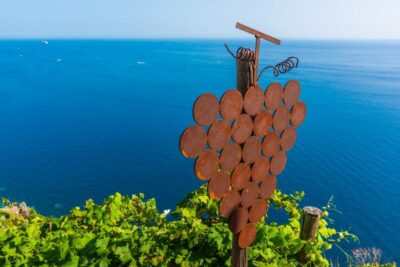
Riomaggiore: Vineyard & Wine Cellar Tour with Wine Tasting
Our review →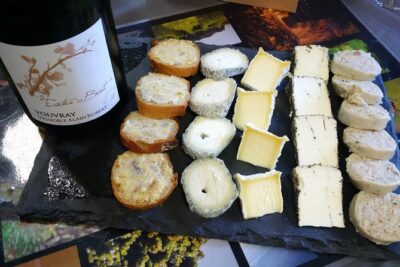
Tour of a Vineyard, Winery & Cellar with Wine Tasting in Vouvray, Loire Valley
Our review →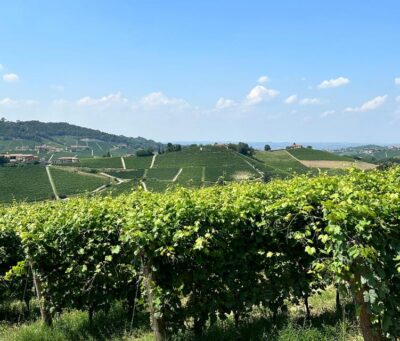
Monforte d’Alba: Barolo Tasting, Vineyard & Cellar Visit
Our review →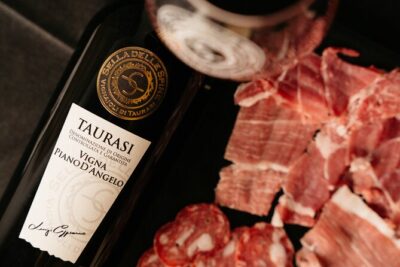
Sella delle Spine Taurasi: Tasting, Vineyard and Cellar Tour
Our review →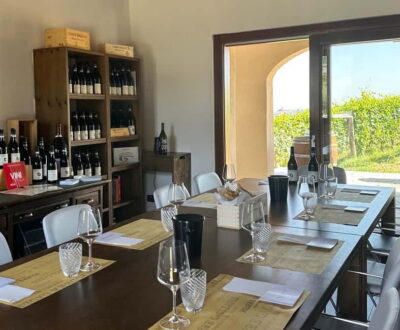
Monforte d’Alba: Wine Tasting, Cellar Visit, and Vineyard Tour
Our review →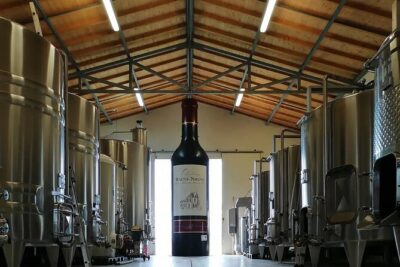
Saint-Émilion: 2 hours – Visit of the vineyard, the cellar and tasting
Our review →Every list this estate visit appears in