
REVIEW · FRANCE
Saint-Émilion: 2 hours – Visit of the vineyard, the cellar and tasting
Saint-Émilion wine country rewards curious visitors. This two-hour Château Haute-Nauve tour gives you a clear look at vineyard work, winemaking, barrel aging, and four estate wines for $30.04 per person. I like the family-run feel, with fourth-generation growers Florent or his mother, Marie-Anne, leading the visit. I also like that the tour covers the full path from vine to bottle, not just a quick tasting.
The main consideration is the fixed two-hour format. You will see several parts of the estate, but this is an introduction rather than a long technical wine course. The visit is offered in English, and the group can have up to 15 people, so ask about the language and group size when booking if those details matter to you.
Key points at a glance
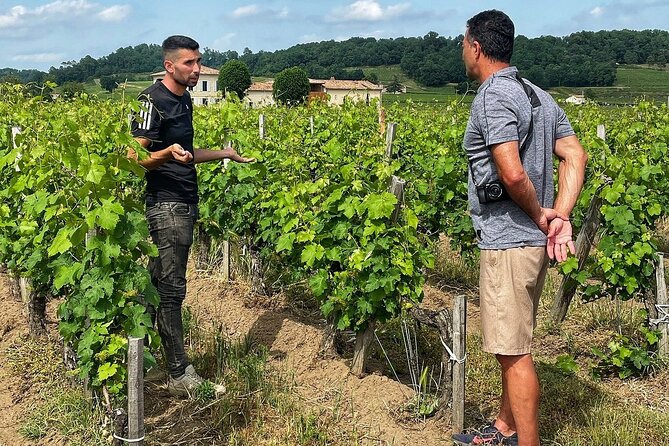
- Fourth-generation family estate: Florent or his mother, Marie-Anne, explains how Château Haute-Nauve has developed across four generations.
- A vineyard visit with a seasonal focus: You learn how the work changes through the year, from vine care to harvest preparation.
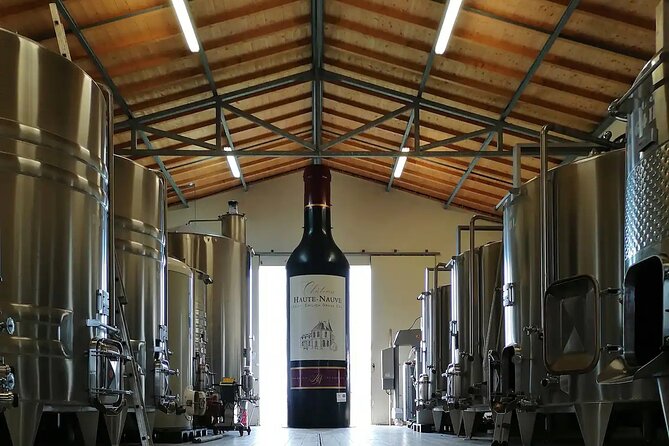
- A six-meter wine bottle: This unusual landmark, along with a wind turbine, helps show the estate’s practical and creative side.
- From fermentation to barrel aging: The winery visit explains tanks, pumping, pressing, fermentation, and cellar work.
- Four wines at the finish: The tasting includes a rosé, one Saint-Émilion, and two Saint-Émilion Grand Cru wines.
- Small-group setting: The maximum group size is 15, which should allow more room for questions than a large bus tour.
Starting at Château Haute-Nauve near Saint-Émilion
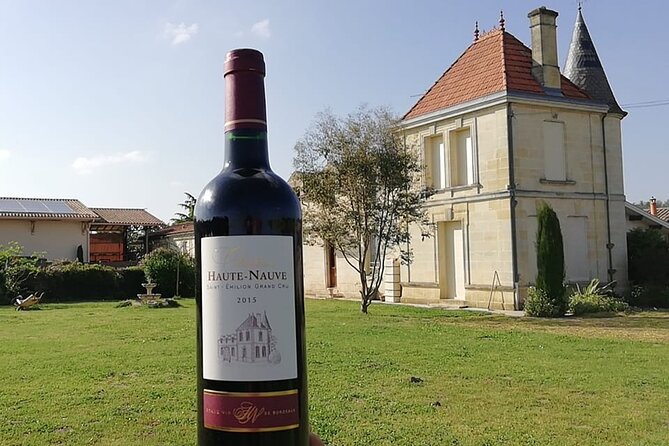
The experience begins at Château Haute Nauve, 1 Haute Nauve, 33330 Saint-Laurent-des-Combes, France. That address places you in the Saint-Émilion wine area rather than in the center of the village itself, so plan your route carefully and allow enough time to arrive before the scheduled start.
The meeting point matters because this is an estate visit, not a walking tour through Saint-Émilion’s old streets. You return to the same place at the end. The practical upside is simple: you can focus on the vineyard and winery without moving between several stops.
The tour is offered in English. Florent has led English visits praised for clear explanations, humor, and an easy manner. Marie-Anne may also host the experience, giving the visit a personal family connection rather than a formal museum-style presentation.
The group limit is 15 people. That is not a private tour, but it is small enough to keep the visit manageable. If the group is full, you may need to wait briefly while others ask questions, especially during the tasting. That said, the family-run setting and limited capacity should feel more personal than a large commercial cellar visit.
More wine cellar visits around France:
- Tour of a Vineyard, Winery & Cellar with Wine Tasting in Vouvray, Loire Valley
★ 5.0 · 77 reviews - Exclusive Champagne Cellars & Dom Perignon Vineyards tour
★ 5.0 · 32 reviews - Moet et Chandon Vineyards Cellars 7 tastings Private Champagne
★ 4.5 · 4 reviews
Walking through fourth-generation vineyard land
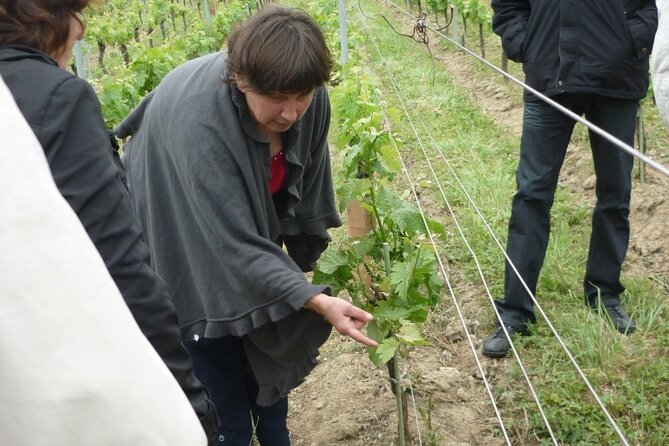
The first part takes you outside among the vines. Here, the focus is not simply on pretty rows of grapevines. You learn how the estate is worked throughout the year and how different plots have their own conditions and characteristics.
This is one of the most useful parts for anyone who drinks Bordeaux wine but has never considered the work behind it. Vineyard care changes with the seasons, and the tour explains how the growers adjust their tasks over the year. You get a better sense of why making wine is not limited to the harvest period.
The family history adds useful context. Château Haute-Nauve is described as a fourth-generation estate, so the visit connects today’s methods with the experience passed through the family. Florent’s explanations also cover the Saint-Émilion appellation, helping you understand the regional rules and identity behind the name on the bottle.
I especially like that the tour does not present farming as effortless or predictable. The estate faces problems such as crop freezes, and the family is working on ways to respond. Sustainability, diversification, and new wines are part of that effort.
That makes the vineyard walk more honest. You are not just hearing a polished story about tradition. You are also learning how a small wine producer tries to protect its future when weather and market conditions change.
The wind turbine and the giant bottle
Two unusual features give this estate visit a little character: a wind turbine and a wine bottle six meters high. The giant bottle is an obvious photo stop, while the wind turbine points to the estate’s interest in practical sustainability.
These details help break up the technical information. If you are visiting with family or friends who are not serious wine students, the large bottle gives them something memorable to look for. If you are interested in how wineries are adapting, the discussion of sustainability and crop protection adds substance beyond the usual tasting-room presentation.
The estate is also developing new wines. That is worth noting if you expect only traditional Saint-Émilion bottlings. You will still taste wines tied to the appellation, but you may also hear about experimentation and diversification.
Do not expect the vineyard section to be a long countryside hike. The total experience lasts about two hours, and that time also includes the production areas and tasting. Think of the outdoor portion as a guided introduction to the estate’s plots and working methods.
Seeing the winery from fermentation to pressing
The next stop is the winery, where the guide explains what happens after grapes leave the vineyard. You learn about fermentation, pumping, and pressing, as well as the equipment needed to handle the crop.
This part is valuable because wine terms can sound simple until you see the machinery involved. The visit explains how grapes move through the production process and how the winemakers manage each stage. The tanks and equipment make the explanation more concrete than a tasting-room talk alone.
One English-language visit was praised for showing the machines and large tanks used after harvest. That focus is useful for first-time wine visitors, since it connects the vineyard work with the practical mechanics of production.
The approach is educational without needing advanced wine knowledge. You do not need to know technical vocabulary before arriving. Florent’s style has been described as professional, friendly, and humorous, which should make it easier to ask basic questions without feeling out of place.
Still, the depth will depend on the pace of the group and the guide. With only two hours for the entire experience, you will not get a full course in Bordeaux winemaking. If you want a highly technical study of yeast, chemistry, or specific cellar measurements, this tour may feel introductory. For a general visitor, that is probably the right level.
A few more vineyard visits around France worth a look
- 2-hour walk – Castles and vineyards
★ 4.5 · 11 reviews - Champagne vineyards: 2-hour guided tour of the vineyards in a Buggy
★ 5.0 · 3 reviews - Lausanne: 2-Hour Lake Geneva Cruise Along Lavaux Vineyards
★ 4.2 · 171 reviews - 2 Hour Vineyard Trail Ride
★ 5.0 · 31 reviews
Entering the barrel cellar
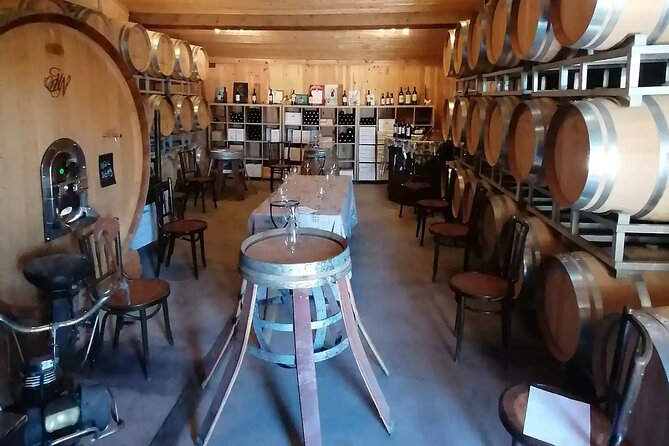
The route continues into the barrel cellar, where you see how the wine ages after the early production stages. This is the point where the visit shifts from harvest mechanics to patience and storage.
Barrel aging is often the part of wine production people picture first, but it makes more sense after you have seen the vineyard and winery. By this stage, you can connect the final flavor and style of the wine with the choices made earlier, from grape growing to fermentation and pressing.
The cellar also gives the visit a calm change of pace. After the outdoor walk and machinery, you move into the quieter part of the estate. The guide explains the methods used to age the wine, giving you useful background before the tasting begins.
The tour does not promise access to every stage of every vintage, and cellar activity can vary by season. Even so, seeing the barrel area gives you a fuller picture than a tasting alone. You are not simply handed a glass without context.
Tasting four Château Haute-Nauve wines
The experience ends with a guided tasting of four wines:
- One rosé
- One Saint-Émilion
- Two Saint-Émilion Grand Cru wines
This selection is a strong reason to consider the tour. You get a simple comparison between styles, then two wines carrying the Grand Cru designation. The tasting is not just an extra drink at the end. It is the point where the vineyard and cellar explanations become something you can evaluate with your own senses.
The guided format should help you notice differences in color, aroma, body, and finish. You can also ask how the wines relate to the plots, production methods, and aging choices discussed earlier.
The tasting has received especially warm praise for the quality of the wines. One visitor who took the English tour with Florent described the wines as excellent and planned to return in September. Another account notes that a parent who received the experience as a gift enjoyed it so much that the visit ended with wine purchases.
Those details suggest that the tasting works well for both wine beginners and people who already know Bordeaux. Beginners get a structured introduction, while experienced drinkers can compare a Saint-Émilion with two Grand Cru examples from the same estate.
Keep in mind that this is an alcoholic tasting. Anyone who plans to drive should make a responsible plan. The tour includes four wines, so the tasting should be treated as part of the activity, not as a reason to schedule a tight driving itinerary afterward.
What $30.04 buys you
At $30.04 per person, the price is reasonable for a two-hour visit that includes a vineyard walk, winery explanation, barrel cellar access, and four wines. You are paying for more than the liquid in the glasses. The fee also covers the guide’s time, the family story, the production areas, and an explanation of how the estate operates.
The value is strongest if you want context. A quick tasting may cost less, but it will not necessarily explain how the vines are cared for, how freezing threatens crops, or how fermentation and pressing fit together.
The price is less compelling if you only want to sample wine and leave. In that case, the production tour may feel like more information than you need. The experience is aimed at people who want to understand the estate as well as taste its bottles.
The two Grand Cru wines also add interest. The tasting gives you a chance to try wines from a recognized Saint-Émilion category without arranging a separate visit. The exact vintages are not specified, so you should not book expecting a particular bottle or year.
Is the English tour a good fit?
This experience suits you if you want a friendly, family-run introduction to Bordeaux wine production. It is especially useful if you are visiting Saint-Émilion for the first time and want to understand what happens beyond the village’s shops and tasting rooms.
I would also recommend it for couples, small groups, and families with adults who can take part in an alcoholic tasting. The large bottle, wind turbine, and outdoor vineyard section give the tour a few visual points of interest, while the cellar and tasting provide substance for wine fans.
Florent’s approach sounds like a major strength. His English tours have been praised for useful explanations, humor, and a relaxed tone. Marie-Anne brings another side of the family story, and the fact that either mother or son may lead the visit gives the experience a genuine owner-operated feel.
The tour may be less suitable if you need a fully private visit, a long hike, or a highly specialized technical workshop. The group can reach 15 people, and two hours requires a brisk route through the vineyard, winery, cellar, and tasting.
It is also worth remembering that the English offering is specifically stated, while several comments describe French visits as well. If language is important to you, confirm the language available for your chosen time before finalizing plans.
Booking, cancellation, and practical details
Confirmation is sent within 48 hours, subject to availability. The experience is commonly booked about 12 days ahead, so reserving in advance is sensible if your Saint-Émilion schedule is tight.
Free cancellation is available up to 24 hours before the start time for a full refund. Changes or cancellations made less than 24 hours ahead are not accepted for a refund, and the cut-off uses local time.
The activity requires a minimum number of participants. If the minimum is not reached and the experience is canceled, you are offered another date or experience, or a full refund.
Mobile tickets make arrival simple, and service animals are allowed. Most people can participate. Since the visit includes walking through vineyard areas and production spaces, wear practical shoes and expect an active two hours, though no special level of fitness is stated.
Should you book Château Haute-Nauve?
Book this tour if you want a personal, full-process introduction to Saint-Émilion wine, with a real family estate, useful vineyard context, and four wines at the end. The combination of Florent’s friendly English explanations, fourth-generation history, production equipment, barrel cellar, and two Grand Cru pours gives the experience good value at $30.04.
Skip it if you want only a quick tasting, a private appointment, or a long technical seminar. For most people who want to understand how Saint-Émilion wine moves from vine to bottle, this is an easy recommendation, especially when you can fit the two-hour visit into a day near the appellation.
FAQ
Where does the Château Haute-Nauve tour begin?
It begins at Château Haute Nauve, 1 Haute Nauve, 33330 Saint-Laurent-des-Combes, France.
Where does the experience end?
The activity ends back at the meeting point at Château Haute-Nauve.
How long does the tour last?
The experience lasts approximately two hours.
What language is the tour offered in?
The tour is offered in English. Information also describes visits in French, so confirm the available language for your selected time if needed.
How many people can join the tour?
The activity has a maximum group size of 15 people.
What wines are included in the tasting?
The tasting includes four Château wines: one rosé, one Saint-Émilion, and two Saint-Émilion Grand Cru wines.
Is the wine tasting included in the price?
Yes. The experience includes an alcoholic beverage tasting of four Château wines.
Can I cancel for a full refund?
Yes. You can cancel at least 24 hours before the start time for a full refund. Cancellations made less than 24 hours before the experience are not refunded.
Just added around France
- Vineyard of the Alpilles by bike★ 4.6 · 8 reviews
- Vosne-Romanée: Private Vineyards Walking Tour with Tasting★ 4.4 · 9 reviews
- Vineyard tour and wine tasting in Davron★ 4.5 · 7 reviews
- Private Vineyard Tour and Wine Tasting in Bandol★ 5.0 · 16 reviews
- Vineyard visit in Gyropode, visit of Cave & Tasting Wines of Bandol★ 5.0 · 19 reviews
- Bike ride on the Wine Route from Sélestat★ 5.0 · 5 reviews
- Horse riding in the vineyards of Grimaud + wine tasting★ 5.0 · 3 reviews
- 1/2 day private Vintage tour, vineyards of Saint-Tropez★ 5.0 · 6 reviews
Wine Cellar Visits, compared.
Abellonio Cascina Piccaluga – visit to the vineyards, to the wine tasting cellar
Our review →
Prosecco tasting, appetizers and tour of the cellar and vineyards
Our review →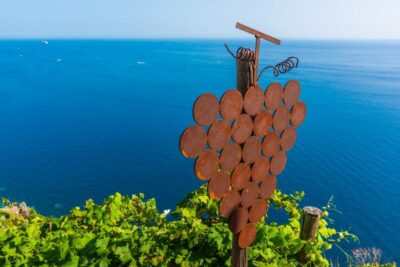
Riomaggiore: Vineyard & Wine Cellar Tour with Wine Tasting
Our review →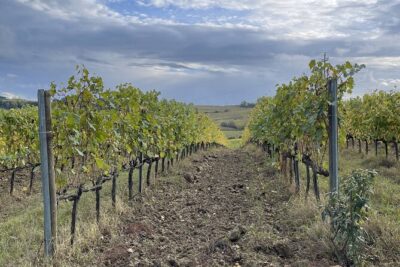
San Gimignano: Vineyard and Cellar Tour with Wine Tasting
Our review →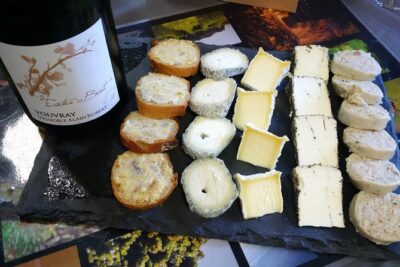
Tour of a Vineyard, Winery & Cellar with Wine Tasting in Vouvray, Loire Valley
Our review →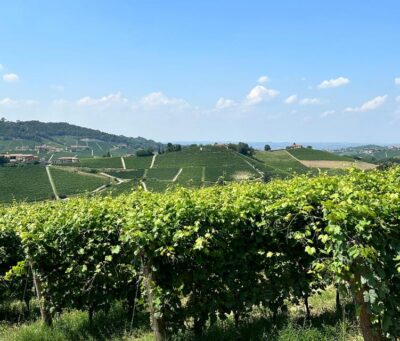
Monforte d’Alba: Barolo Tasting, Vineyard & Cellar Visit
Our review →
Sella delle Spine Taurasi: Tasting, Vineyard and Cellar Tour
Our review →
Monforte d’Alba: Wine Tasting, Cellar Visit, and Vineyard Tour
Our review →Every list this estate visit appears in