
REVIEW · FRANCE
Small group full day tour in the Burgundy vineyards
Burgundy rewards a full day. This small-group tour links the Côte de Beaune and Côte de Nuits in one well-planned outing, with about ten wines, famous villages, vineyard roads, and a guide who explains what you are seeing. I like the small group of no more than eight, which keeps the day personal, and I like the chance to compare two parts of Burgundy instead of tasting in only one area.
The main consideration is the pace. You cover a lot of ground in roughly seven to seven and a half hours, and lunch is on your own in Beaune. That gives you freedom, but it also means this is not a slow, long-lunch sort of wine day. The advertised price is $230 per person, so the value depends on how much you want clear regional context, transport, and access to two tastings rather than simply a glass of wine or two.
Key points before you book
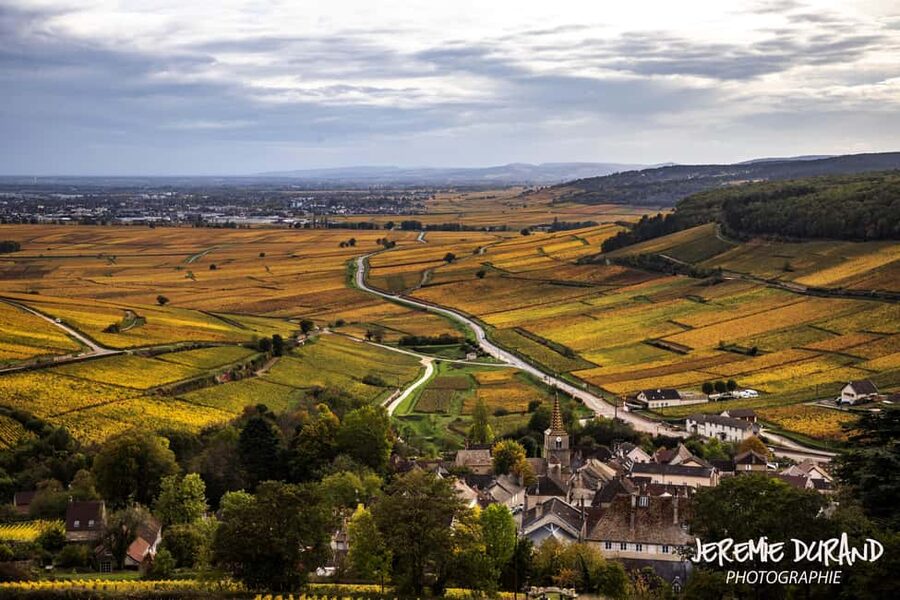
- Two tastings of about five wines each: You get a useful comparison between the Côte de Beaune and Côte de Nuits, not just one quick sampling.
- Côte de Beaune in the morning: The route includes Pommard, Meursault, Chassagne-Montrachet, and other well-known villages.
- Côte de Nuits in the afternoon: Expect Nuits-Saint-Georges, Vosne-Romanée, Gevrey-Chambertin, Clos de Vougeot, and surrounding vineyard roads.
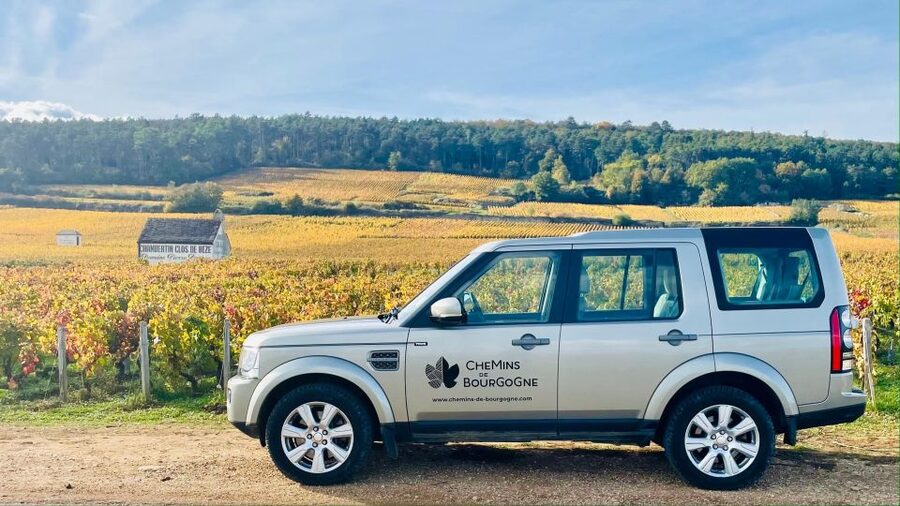
- Eight people maximum: The small vehicle and group size make it easier to ask questions and hear the guide.
- Dijon or Beaune departure: You can begin and finish in either city, a useful choice if you are staying in Burgundy.
- Bring a jacket: Cellars can be cold all year, even when the weather outside is hot.
Why this Burgundy tour works as a full-day introduction
Burgundy wine can feel confusing at first. A bottle may be named after a village, a vineyard plot, or a producer, and the most famous wines are often made in small parcels that are difficult to understand from a map alone.
This tour gives you a practical way into that system. Instead of spending the entire day in one cellar, you travel through the two main wine corridors south and north of Dijon. The guide connects the villages, vines, producers, and rankings as you go.
That context is the real value. The tastings matter, of course, but you also see where the names on the labels come from. A good guide can help you understand why Pommard is different from Meursault, or why Vosne-Romanée carries such prestige, without turning the day into a lecture.
The format is also friendly to mixed levels of wine experience. David, from the United States, particularly appreciated a guide who adjusted the explanations to the group and made wine history and vine growing easy to follow. You do not need to arrive with a detailed knowledge of Burgundy. You do need some interest in wine, villages, and how the two fit together.
More full-day wine trips around France:
Morning in the Côte de Beaune
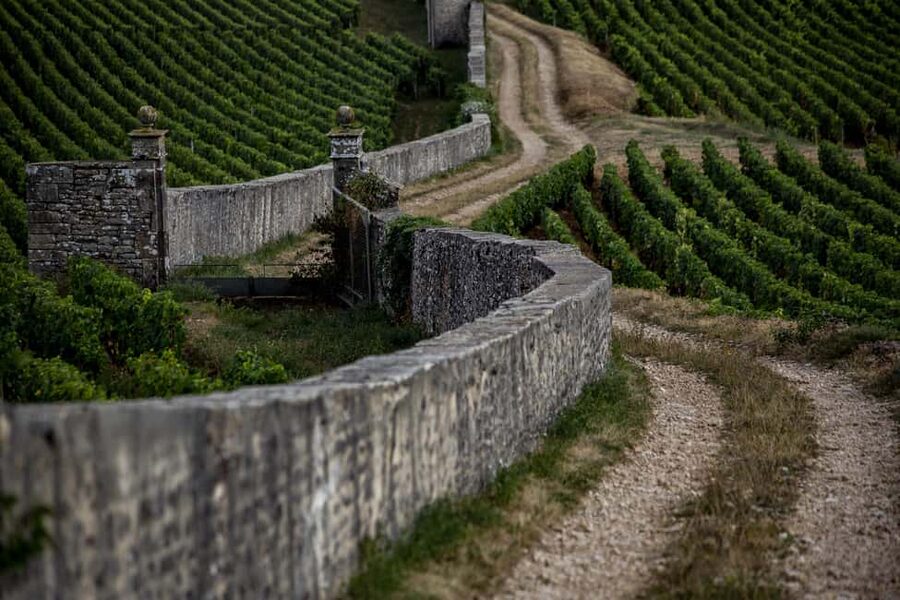
The day begins with the Côte de Beaune, one of Burgundy’s best-known wine areas. The route passes through villages including Pommard, Meursault, and Chassagne-Montrachet, along with other vineyard communities.
Pommard is associated especially with red Burgundy, while Meursault is famous for white wines. Chassagne-Montrachet is known for both colors, though its white wines receive much of the attention. Seeing these places in one morning helps you connect a village name with an actual setting rather than treating it as an abstract label.
I like this part of the route because it provides a broad introduction before the first tasting. You are not simply handed a flight of wines with no explanation. The guide can point out the villages and vineyards, then help you taste the differences in context.
The exact domaine or cellar can vary, so you should not book expecting one guaranteed producer. The first tasting includes about five wines, and one past itinerary included Domaine du Moulin aux Moines in the Côte de Beaune. That visit was especially well regarded for its setting and white wines, while the red wines were received less warmly. This is useful to know: the tasting is a chance to compare, not a promise that every bottle will suit your taste.
You may also pass along narrow vineyard roads that would be awkward to find or manage in your own car. One guest particularly valued getting close to the famous plots by routes that felt difficult to reach independently. The vehicle does some of the practical work for you, while the guide explains what is outside the window.
The first tasting: learning how Burgundy labels work
A tasting of around five wines is enough to show contrast without making the morning feel like a drinking contest. The point is not to collect as many samples as possible. It is to pay attention to the village names, grape varieties, producer choices, and differences between wines.
Burgundy is primarily built around Chardonnay for white wines and Pinot Noir for reds. The same grape can taste quite different depending on its village, soil, vineyard position, and winemaking. You will get more from the tasting if you ask the guide to connect each bottle to the place you have just seen.
One guide, Alexandre, was praised for explaining everything from vine growing to the vineyards themselves. That kind of broad explanation is valuable here because Burgundy can seem overly complicated when you only focus on grand labels. The best part of the tour is learning how to read the bottle without feeling foolish for asking basic questions.
The language options are French and English. Named guides in past departures include Alexandre, Antonin, Raphaël, and Seb. The quality of a day like this depends heavily on the person leading it, and the strongest feedback points to guides who are warm, clear, and attentive rather than simply reciting facts.
Free time for lunch in Beaune
At midday, you get free time in Beaune for lunch. Food is not included, so plan for that cost separately.
This pause is useful after a morning of vineyards and wine. You can choose your own meal rather than being tied to a fixed restaurant or menu. It also gives you a breather before the afternoon drive.
The tradeoff is that the lunch period is not described as a guided food experience. You are responsible for choosing and paying for your meal, and available time may limit how leisurely you can be. If lunch is a major part of your Burgundy plans, keep your expectations realistic. This tour is built around wine and regional sightseeing, not a long culinary stop.
Still, free time can be the better choice for a group with different appetites or budgets. You can keep lunch simple, take a short walk, or use the break to reset before the second tasting.
A few more vineyard visits around France worth a look
- Saint-Émilion: Grand Cru Classé Winery Visit and Tasting
★ 4.6 · 1,118 reviews - Saint Emilion Half-Day Trip with Wine Tasting & Winery Visit from Bordeaux
★ 4.5 · 1,034 reviews - Saint-Émilion: Bordeaux Vineyard Tour and Wine Tasting
★ 4.8 · 578 reviews - Bordeaux: Vineyards Wine Tasting Half-Day Trip
★ 4.2 · 470 reviews
Afternoon through the Côte de Nuits
After Beaune, the route heads north into the Côte de Nuits. The villages include Nuits-Saint-Georges, Vosne-Romanée, and Gevrey-Chambertin, with the famous Château du Clos de Vougeot also on the route.
This section is particularly valuable if you want to understand Burgundy’s famous red wine country. Vosne-Romanée is one of the best-known names in the region, while Gevrey-Chambertin is another major village for Pinot Noir. Nuits-Saint-Georges gives the route a broader regional connection, linking celebrated names with the everyday geography of the Côte de Nuits.
The Château du Clos de Vougeot adds a strong visual marker to the afternoon. You see a landmark tied closely to Burgundy wine culture, then continue through the vineyards around it. The tour does not promise a separate extended interior visit, so think of it as part of the route and commentary rather than a full château admission experience.
The guide’s explanation is important here. Without context, the names can blur together. With a good explanation, you begin to see that Burgundy is not one uniform wine zone. Small changes in village and vineyard plot matter greatly, and the guide helps you understand why.
The pace receives high praise. Marian from Ireland found that the day allowed enough time to see the area while still covering a substantial amount of ground. That balance is hard to achieve on a full-day tour. You will not stop for a long photo session at every village, but you should get a strong sense of how the wine route fits together.
The second tasting and the value of comparison
The afternoon finishes with another tasting of around five wines. This is where the structure pays off. You can compare the Côte de Nuits wines with the morning samples while the differences are still fresh.
A past visit included Bernard Rion in the Côte de Nuits, where the wines were especially well received. Again, the exact cellar may not be fixed, so treat that as an example rather than a guarantee.
The second tasting also lets you test what you have learned. You may notice that you now look first for the village and producer on the label. You may also begin to understand why two bottles made from the same grape can have very different reputations and prices.
A second tasting has a practical benefit too. If one style of wine does not suit you, the day is not over. Burgundy includes a wide range of expressions, and moving from white-focused Côte de Beaune villages to red-focused Côte de Nuits villages gives you a fairer picture of the region.
Guides who make the difference
The strongest part of this experience is the guide. A vehicle can carry you between villages, but it cannot explain the region unless the person in front knows how to communicate.
The guide should be able to explain grape growing, vineyard rankings, producers, and labels in plain language. The best feedback describes guides who listen carefully, adjust to the group’s level, and share their enthusiasm without making beginners feel out of place.
Antonin was praised for precise explanations and a strong personal connection to Burgundy wine. Raphaël was described as helpful and clear, while Seb was appreciated for his subject knowledge and sense of humor. These details suggest a friendly style rather than a stiff academic tour.
That said, guide-led experiences are never entirely uniform. Your guide may have a different personality or emphasis. The useful point is that the tour is designed around live commentary in French or English, not an audio recording or a simple transfer between cellars.
Is $230 a fair price?
At $230 per person, this is not a bargain wine tasting. You are paying for a full day, transport, a small group capped at eight, a guide focused on Burgundy, and two tastings.
The price makes more sense if you are staying in Dijon or Beaune without a car. Driving yourself after multiple tastings is a poor plan, and finding the smaller vineyard roads, domaines, and village connections on your own can take time. The tour also removes the need to study the wine route in advance.
You should also count lunch as an extra cost. The two tastings are included, but food is not. If you want private service, a long restaurant meal, or a specific famous domaine, this may not be the right format.
For a first serious look at Burgundy, I think the value is good. You cover both major vineyard areas, taste about ten wines, and receive interpretation throughout the day. For someone who already knows the region well and wants rare bottles or private appointments, the standard small-group format may feel less special.
Timing, meeting point, and practical notes
The experience is listed as seven hours, while the day’s description refers to roughly seven and a half hours. Allow a full day and check the exact starting time when you reserve.
You can depart from and return to Dijon or Beaune. At the meeting point, you are asked to report to the reception at Solstice at least ten minutes early. That matters because the vehicle leaves on schedule and a small group cannot easily wait for late arrivals.
Bring a jacket, even in hot weather. Cellars can be cold throughout the year, and this is an easy item to forget when the forecast looks sunny.
The tour offers free cancellation up to 24 hours before departure, and you can reserve now and pay later. These terms are helpful if your Burgundy plans are still shifting, but check the current booking details before committing.
Who should book this tour?
I would choose this tour if you want a well-rounded first look at Burgundy without renting a car. It suits couples, friends, and solo visitors who enjoy asking questions and sharing a small vehicle with other wine-minded people.
It is also a good fit if your wine knowledge ranges from beginner to fairly serious. The guides have shown they can explain basic label reading and vine growing while still offering useful detail to people who already know something about wine.
I would hesitate if your priority is a long lunch, a single famous estate, or a private appointment built around one producer. The day covers a wide area, so the reward is regional understanding rather than an unhurried visit at one property.
Should you book it?
Book it if you want to see both the Côte de Beaune and Côte de Nuits in one day, taste about ten wines, and learn how Burgundy’s villages and vineyard plots connect. The small group, helpful guides, and transport make the $230 cost easier to justify.
Skip it if you prefer to set your own pace, spend hours at one cellar, or avoid paying for a guided overview. For most first-time visitors to Burgundy, though, this is a practical and engaging way to get oriented, especially if you are based in Dijon or Beaune.
FAQ
How long does the Burgundy vineyard tour last?
The activity is listed as seven hours, while the day’s description refers to a journey of about seven and a half hours. Plan on a full day and confirm the precise timing when booking.
Where does the tour depart and return?
Departure and return are available in Dijon or Beaune. The meeting instructions ask you to report to the reception at Solstice at least ten minutes before departure.
How many people are in the group?
The tour is limited to eight participants, making it a small-group experience.
How many wine tastings are included?
Two tastings are included. Each tasting features around five wines, for approximately ten wines during the day.
Is lunch included?
No. You receive free time for lunch in Beaune, but you pay for your own meal.
Which languages are available?
The live guide is available in French and English.
Can I cancel the tour for a refund?
You can cancel up to 24 hours in advance for a full refund. The experience also allows you to reserve now and pay later.
Just added around France
- Vineyard of the Alpilles by bike★ 4.6 · 8 reviews
- Vosne-Romanée: Private Vineyards Walking Tour with Tasting★ 4.4 · 9 reviews
- Vineyard tour and wine tasting in Davron★ 4.5 · 7 reviews
- Private Vineyard Tour and Wine Tasting in Bandol★ 5.0 · 16 reviews
- Vineyard visit in Gyropode, visit of Cave & Tasting Wines of Bandol★ 5.0 · 19 reviews
- Bike ride on the Wine Route from Sélestat★ 5.0 · 5 reviews
- Horse riding in the vineyards of Grimaud + wine tasting★ 5.0 · 3 reviews
- 1/2 day private Vintage tour, vineyards of Saint-Tropez★ 5.0 · 6 reviews
Beaune Vineyard Tours, compared.
Half-day guided tour on the Burgundy wine Route in a classic car
Our review →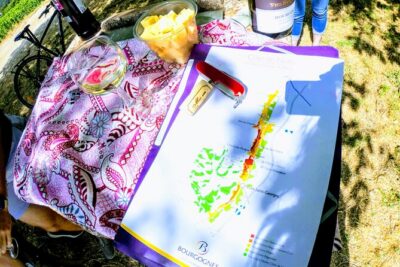
Every list this estate visit appears in