
REVIEW · FRANCE
Burgundy Vineyards: Luxury Private Tours
Taste Burgundy at its source. This private seven-hour tour links cellar tastings, vineyard walks, famous villages, and the grand names of the Côte d’Or in one polished day. I especially like the access to two separate tastings and the chance to learn from a winemaker or seasoned local guide, rather than simply being driven past vineyards. The main caution is cost: at $572 per person, with lunch extra, this is a serious splurge.
I also like the flexible pickup from a hotel or train station in Beaune or Dijon, plus the Mercedes vehicle praised by several guests. The day covers a lot, from Meursault and Chassagne-Montrachet to Vosne-Romanée and Romanée-Conti, so you get a useful first look at Burgundy’s complicated wine map. Still, the final tasting may feel less polished if it takes place in a working cellar rather than a formal tasting room.
Burgundy’s grand names in one day
- Two tastings with about 10 listed wines: Expect village, Premier Cru, and potentially Grand Cru bottles, with the exact number varying by day.
- A route through the Côte d’Or: See Meursault, Chassagne-Montrachet, Corton, Vosne-Romanée, Gevrey-Chambertin, and Chambolle-Musigny.
- Private hotel or station pickup: Start at 10:00 am from Beaune or Dijon and return around 5:30 pm.
- A guide who can translate the jargon: Guides such as Joachim, Hubert, Antonin, and Ivan have been praised for explaining labels, terroir, villages, and wine styles clearly.
- Lunch is optional and extra: Choose a set-menu tasting lunch at a family estate or eat at a traditional vineyard restaurant.
- A high-end, personal format: This is a private group tour, not a large bus outing, with English or French guiding and wheelchair access.
Why this Burgundy tour is different
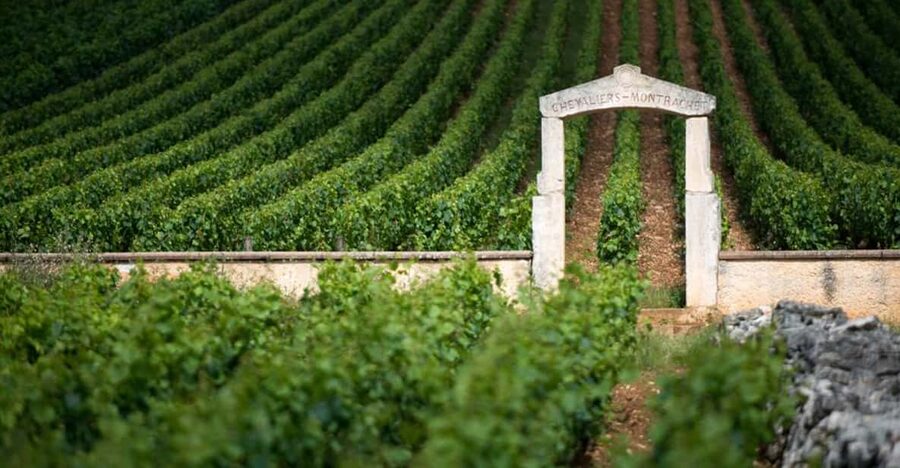
Burgundy can be hard to read at first. A bottle may be labeled by village, vineyard, producer, or classification, and two vineyards only a short distance apart can produce noticeably different wines. This tour gives you a guide for that puzzle while taking you through the places named on the labels.
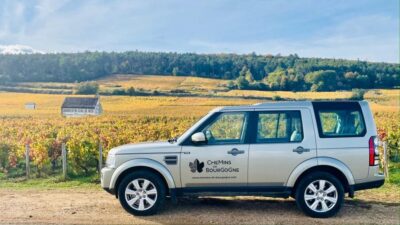
The experience begins at 10:00 am with pickup in Beaune or Dijon. That makes it useful for an overnight stay in either town, and pickup at a train station helps if you arrive by rail. You travel in private transportation with an English- or French-speaking guide, so there is no need to arrange taxis between scattered villages.
The private format matters here. You can ask why a Meursault tastes different from a Chassagne-Montrachet, stop for photographs, or spend more time on a question about Pinot Noir. Guides have used maps, books, and visual material to explain the region, which is particularly helpful if Burgundy is your first serious wine stop.
The strongest praise has gone to the guides. Joachim, also referred to as Joaquim in one account, is described as having more than 30 years of experience. Antonin helped explain Burgundy’s village structure, wine labels, aromas, and the effect of soil on taste. Hubert was praised for his English and for helping with wine purchases and shipping. Those details point to the tour’s main strength: the person in the vehicle can shape the day.
A few more vineyard visits around France worth a look
- Saint-Émilion: Grand Cru Classé Winery Visit and Tasting
★ 4.6 · 1,118 reviews - Saint Emilion Half-Day Trip with Wine Tasting & Winery Visit from Bordeaux
★ 4.5 · 1,034 reviews - Saint-Émilion: Bordeaux Vineyard Tour and Wine Tasting
★ 4.8 · 578 reviews
Along the Côte de Beaune to Meursault and Corton
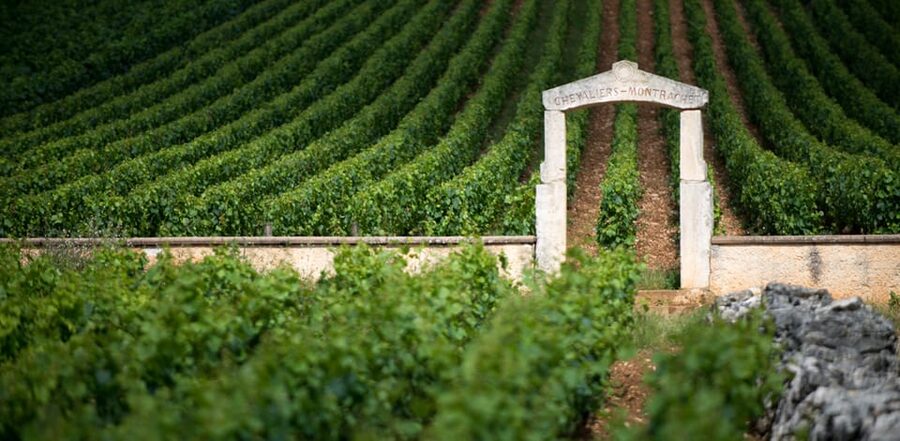
The morning route takes you through the Côte de Beaune, one of Burgundy’s key white wine areas. Meursault and Chassagne-Montrachet are not just names for a tasting sheet. Seeing the vineyards gives you a better sense of how closely village identity is tied to place.
Corton provides a particularly useful stop. The hillside is known for producing both red and white Grand Cru wines, an unusual feature in Burgundy. Here, your guide can connect the slope, grape variety, and local classifications to the wines in your glass.
The scenery is gentle rather than dramatic. You will see rows of vines climbing and folding across low hills, stone villages, lanes, and carefully marked vineyard parcels. The value lies in the details. A guide can point out why one plot carries a Premier Cru or Grand Cru name while another nearby does not.
This part of the route is also a good photo opportunity, especially if the vines are changing color in autumn. Do not expect every stop to be a formal sightseeing visit. Some are short pauses to understand a location, take photographs, or orient yourself before the tasting.
The first cellar tasting and the meaning of Premier Cru
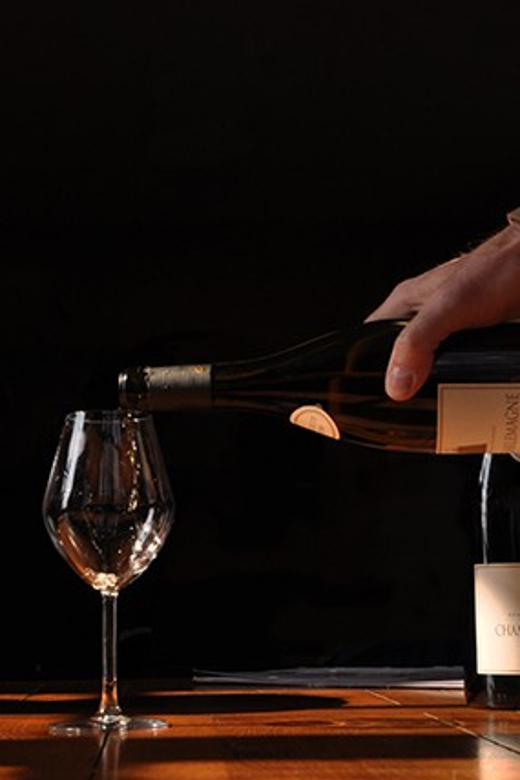
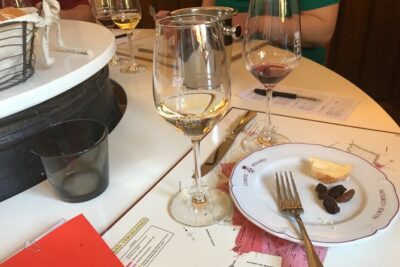
One tasting takes place in a wine cellar, with elegant Pinot Noirs and unoaked white wines on the program. The listed plan calls for about 10 wines across the two tastings, including Premier Cru examples. In practice, the number can vary. Some guests tasted closer to 18 or 20 wines, including several Grand Cru bottles, while others described a more focused selection.
That variation is worth understanding before you book. A private wine day is not always a fixed flight served in identical order. The winery, guide, availability, and level of access can affect the bottles poured. You might taste village wines beside Premier Cru wines, or compare several expressions of Pinot Noir from different plots.
The first tasting may be led by a winery representative or by your guide. The best version of this experience is educational without becoming a lecture. You can learn how to look at the label, identify the village, consider the soil, and pay attention to the wine’s aroma and finish.
The wines can include elegant red Burgundy and white Burgundy made without oak influence. That second detail matters. Unoaked whites let you focus more directly on fruit, acidity, and texture, rather than the vanilla or toast that barrel aging can add.
You are not expected to arrive as a wine expert. The tour works well for serious Burgundy fans, but it also suits curious drinkers who need the basics explained in plain language. Guides have been praised for breaking technical information into manageable pieces instead of burying you under French terms.
Lunch at a family estate or vineyard restaurant
Lunch is not included in the $572 price, so budget for it separately. The planned choices include a set-menu tasting lunch at a family-run estate in the Côte de Nuits or Côte de Beaune, or a traditional restaurant in a vineyard setting.
At the estate, lunch can pair typical Burgundy dishes and local cheeses with selected wines. This is a useful part of the day because Burgundy’s food culture is closely tied to its wine. A set menu also keeps the meal simple, though it gives you less control than ordering à la carte.
Some itineraries use a Michelin restaurant instead. One guest described the meal as surprisingly affordable, but the price and restaurant are not guaranteed in the tour details. Ask the provider what lunch option is planned for your date, and ask about the current cost before you confirm.
Lunch is more than a break between tastings. It gives you time to discuss the morning, compare bottles, and slow the pace. The day includes a lot of village names and wine terms, so a proper meal helps prevent the experience from becoming a blur of glasses and vineyards.
If you do not drink heavily, tell your guide. The exact tasting sequence and lunch pairings can vary, and a private tour gives you a better chance to set a comfortable pace.
Same place, a completely different cellar door:
- Bordeaux: Vineyards Wine Tasting Half-Day Trip
★ 4.2 · 470 reviews - Half-Day Wine tour across Bordeaux’s Vineyards
★ 3.5 · 429 reviews - Saint-Émilion: Vineyard Walking Tour and Tasting
★ 5.0 · 404 reviews - Small-Group Full-Day Tour of Côte de Nuits, Côte de Beaune Vineyards and Beaune Historical District
★ 5.0 · 364 reviews
The Côte de Nuits and the Route des Grands Crus
After lunch, the route heads along Burgundy’s famous Route des Grands Crus, sometimes called the region’s Champs-Elysées. This is the stretch many wine lovers have been waiting for.
The villages include Vosne-Romanée, Gevrey-Chambertin, and Chambolle-Musigny. Each name carries weight in the wine world, but simply passing through them will not explain the differences. Your guide’s job is to connect the village to its wines and vineyards, and to show how Burgundy’s quality system is tied to precise parcels of land.
The stop at Romanée-Conti is more about place and perspective than access to a bottle. This is one of the most famous vineyard names in Burgundy, and seeing its location helps you understand how a tiny plot can become one of the most valuable wine names on earth. You can take photographs, but do not expect a private tasting of Romanée-Conti. The tour information promises a stop, not access to this extraordinarily scarce wine.
Clos de Vougeot adds another important landmark to the route. Together, these stops make the day useful even for someone who already knows Burgundy’s wines. You are not just tasting labels. You are seeing the villages and parcels that give those labels meaning.
The route is also a reminder that Burgundy is not a region of grand chateaux and sweeping estates at every turn. Much of its appeal comes from modest villages, small holdings, old walls, and tightly divided vineyard land. The scale is human, but the wine names can be astonishingly grand.
A vineyard walk and a final meeting with the winemaker
After lunch, you take a walk through the vines and learn about local growing methods and Burgundy’s wine-making past. This is a welcome change from sitting in a vehicle or cellar.
The walk is not described as a demanding hike. It is intended to help you see the soil, vine rows, slopes, and working practices up close. Wear comfortable shoes, especially if the ground is uneven or damp. The tour is wheelchair accessible, but the practical ease of the vineyard portion may depend on the specific site, so ask ahead if mobility is a major concern.
The final winery visit is designed to bring the day back to the people who make the wine. You may meet a winemaker at a boutique estate and taste Pinot Noir while discussing terroir, or the way soil, slope, climate, and farming shape the finished bottle.
This is one of the most personal parts of the experience. At some small wineries, the setting may be informal. One account described wine being poured while standing in a cellar beside barrels. That can feel less polished than a seated tasting room, but it may also give you a closer look at how a small producer actually works.
The tradeoff is clear. If you want a formal presentation at every stop, this tour may feel uneven. If you prefer access to working cellars and direct contact with producers, the informal moments can be the most memorable.
What the $572 price includes
At $572 per person, this is not a budget wine outing. You are paying for a private vehicle, a full seven-hour day, a dedicated guide, winery access, and tastings in a region where transport between villages is not simple.
The price makes the most sense for couples or small private groups who value time and personal attention. A shared bus tour can cost less, but it will not offer the same freedom to ask questions or adjust the pace. A private driver also lets you taste without worrying about driving through the Côte d’Or yourself.
Lunch costs extra, and the exact meal can range from an estate tasting lunch to a vineyard restaurant or Michelin restaurant. Wine purchases are also separate. Guides have helped guests arrange shipping to the United States, but that service is not listed as included, so treat it as an optional arrangement.
The strongest value comes when you care about wine education, not just scenery. If you only want a quick taste and a few photographs, this may be more than you need. If Burgundy’s labels, villages, and Premier Cru classifications have always seemed confusing, the guide can save you years of trial and error.
Who should book this private Burgundy day
I would recommend this tour to wine lovers who want a focused introduction to both the Côte de Beaune and Côte de Nuits. It is also a good choice for a special occasion, especially since previous guides have helped tailor the day for proposals and personal celebrations.
You will get the most from it if you are willing to listen, ask questions, and taste comparatively. The tour is not simply a succession of photo stops. Its purpose is to show how Burgundy works, from vineyard parcel to cellar to glass.
It suits visitors staying in Beaune or Dijon, couples seeking a comfortable private day, and people arriving by train who want pickup at the station. The English guiding has been strongly praised, and French guiding is also available.
I would be more cautious if your main goal is a long, leisurely lunch, a guaranteed Grand Cru tasting, or a fixed list of exactly 10 wines. The itinerary promises Premier Cru wines and two tastings, but the final selection depends on the estates and the day. The experience can be generous, but it is not a guaranteed bottle-by-bottle menu.
Should you book it?
Book this tour if you want Burgundy explained by a strong local guide while you move through its most important villages. The access to private or boutique wineries, the two tastings, and the chance to see Romanée-Conti, Clos de Vougeot, Corton, and the Route des Grands Crus give you a useful sweep of the region.
Before paying, ask two questions: which lunch option is planned, and how many wines are expected at each tasting? If the answers suit your budget and interests, the $572 can be good value for a private day with transportation and expert interpretation. If you are mainly looking for inexpensive wine sampling, choose a shorter tasting in Beaune instead.
FAQ
Where does the tour start?
Pickup is available from your hotel or the train station in Beaune or Dijon.
What time does the tour begin?
The tour starts at 10:00 am with pickup from your accommodation.
What time does the tour finish?
Return to your drop-off point is scheduled for approximately 5:30 pm.
How long is the experience?
The private tour lasts seven hours.
How many wine tastings are included?
Two wine tastings are included.
How many wines will I taste?
The tour description lists 10 wines, including Premier Cru wines. Some tasting days may include more wines, depending on the wineries and schedule.
Are Grand Cru wines included?
The tour visits areas associated with Grand Cru wines and may include Grand Cru examples, but Grand Cru tasting is not guaranteed in the listed inclusions.
Is lunch included in the price?
No. Lunch is available at an extra cost, with options including a set-menu tasting lunch or a vineyard restaurant.
What languages are available?
The live guide can speak English or French.
Is the tour private and wheelchair accessible?
Yes. It is offered as a private group tour and is listed as wheelchair accessible. The practical access of individual vineyard stops may vary, so confirm details when booking.
Just added around France
- Vineyard of the Alpilles by bike★ 4.6 · 8 reviews
- Vosne-Romanée: Private Vineyards Walking Tour with Tasting★ 4.4 · 9 reviews
- Vineyard tour and wine tasting in Davron★ 4.5 · 7 reviews
- Private Vineyard Tour and Wine Tasting in Bandol★ 5.0 · 16 reviews
- Vineyard visit in Gyropode, visit of Cave & Tasting Wines of Bandol★ 5.0 · 19 reviews
- Bike ride on the Wine Route from Sélestat★ 5.0 · 5 reviews
- Horse riding in the vineyards of Grimaud + wine tasting★ 5.0 · 3 reviews
- 1/2 day private Vintage tour, vineyards of Saint-Tropez★ 5.0 · 6 reviews
Beaune Vineyard Tours, compared.
Half-day guided tour on the Burgundy wine Route in a classic car
Our review →
Every list this estate visit appears in