
REVIEW · FRANCE
Bordeaux: Explore an Organic Family Vineyard with Tasting
Wine begins in the soil. At Pestoury Vineyard, a family member leads a small-group visit through Bordeaux wine country, from regional map to working vines and cellar. I like the personal touch and the chance to taste a broad set of wines for about $21.77. I also like that the family has been moving toward organic farming since 2020. The main drawback is simple: you must arrange your own transport to Yvrac.
This is a short, focused visit rather than a full-day wine excursion. You get about 90 minutes with Isabelle, Bertrand, or usually their daughter Marie, and the group is capped at 10 people. The tasting is generous in range, though some wines, sparkling bottles, and grape juice depend on availability.
Key points at a glance
- Five generations at Pestoury Vineyard: The visit connects present-day wine production with a long-running family tradition.
- A small group of up to 10: You get a more personal setting than a large commercial tasting room.
- Bordeaux explained through 65 appellations: The opening map talk helps you place the vineyard within the region.
- Organic farming since 2020: You hear how the family is changing its work among the vines.
- A wide tasting lineup: Expect dry and sweet whites, rosé, Côtes de Bordeaux reds, sparkling wine, and possibly grape juice.
- A compact 90-minute visit: It suits a half-day plan, but it will not cover several wineries or a large estate.
Meeting the family at Pestoury Vineyard
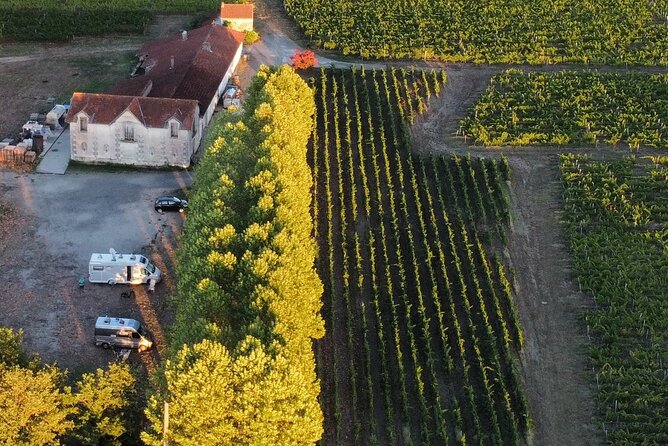
The visit begins at 14 Chem. de Tellas in Yvrac, outside Bordeaux. You meet at the vineyard itself, and the activity finishes at the same place. Since no transport is provided, you need to plan the journey there and back before booking.
That transport detail matters. This is not a pickup tour from central Bordeaux, and the price does not include a transfer. If you already have a car or are arranging a ride, the modest cost makes the visit easy to fit into a day. If you are relying on public transport or a taxi, check your route and return plan first.
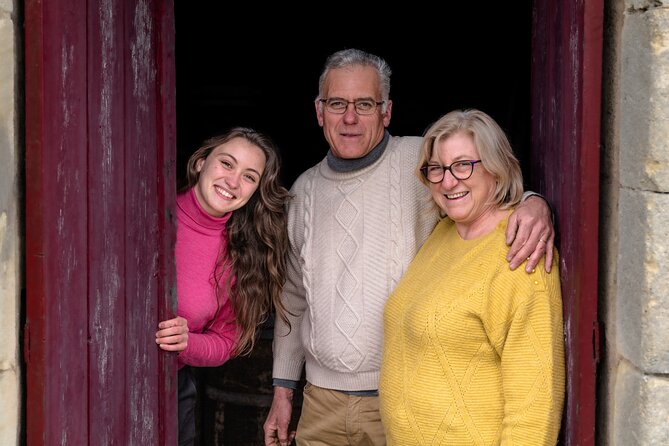
The family connection is the heart of the experience. Isabelle, Bertrand, or most often Marie leads the visit, so the tone is personal rather than formal. You are not simply shown a room of bottles. You hear how one family has worked this vineyard across five generations.
That family story gives the tasting a clear sense of place. The wines are not presented as anonymous Bordeaux products. They are linked to a particular property, a particular set of grape varieties, and the practical decisions made by the people who farm and produce them.
The group limit of 10 is another strong point. With fewer people, you have a better chance to ask about the vineyard, winemaking, or a wine you like. It also helps the 90-minute schedule stay useful rather than becoming a slow procession through crowded rooms.
More organic wineries around France:
- Small Group Guided E-bike Tour in Nice’s Organic Vineyard
★ 5.0 · 220 reviews - Bordeaux: Explore an Organic Family Vineyard with Tasting
★ 5.0 · 96 reviews - Saint-Didier: visit a vineyard & taste organic wines
★ 5.0 · 15 reviews
Starting with Bordeaux on a detailed map
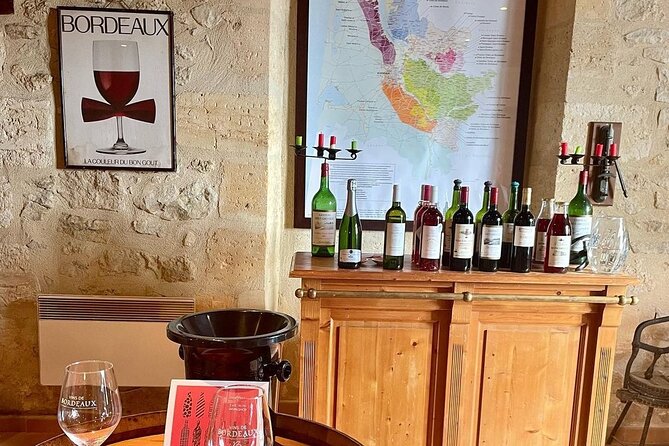
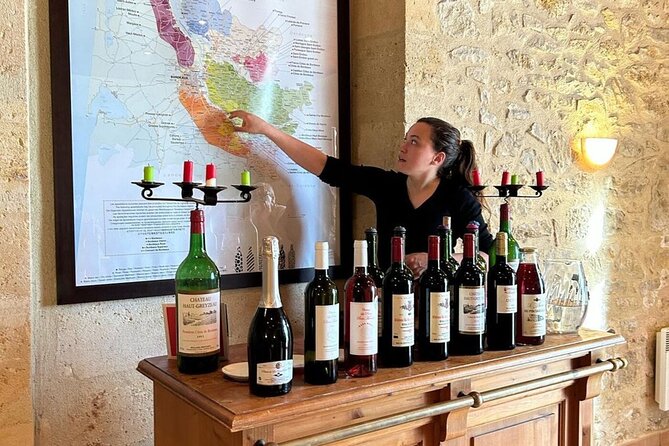
The first part takes place around a detailed map of Bordeaux. This is a smart way to begin because Bordeaux can be confusing even for people who already drink its wines. The region has 65 appellations, and its bottles cover a wide range of styles.
You learn how the area produces bold reds, crisp whites, sparkling wines, and sweet wines. That opening explanation gives you a frame for the tasting later. Instead of tasting a red, white, or sweet wine as an isolated sample, you can place it within the wider Bordeaux region.
I especially like this part for anyone who knows the word Bordeaux but not the geography behind it. The map talk should help you understand why the area cannot be reduced to one style of wine. It also makes the tasting more useful: you can compare the wines from Pestoury with a basic idea of what the region is trying to do.
The opening is educational without requiring a specialist vocabulary. You do not need to arrive with a working knowledge of appellations. The value is in getting your bearings quickly, then carrying that context into the vineyard and cellar.
The limitation is time. With only about an hour and a half for the full activity, the Bordeaux introduction is likely an overview, not an advanced lesson in every appellation. If you want a long technical lecture on Bordeaux soil, classification systems, or vintage history, this is probably too short. If you want a clear introduction before tasting several wines, it fits well.
Walking among the vines when weather allows
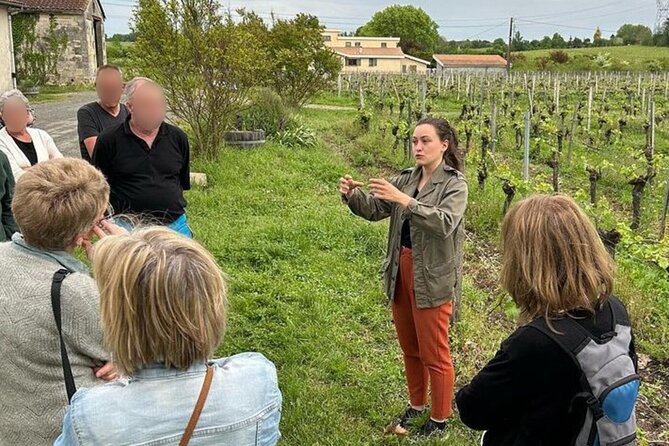
If the weather is suitable, the visit continues outside among the vines. This is where the family explains the basic chain from soil to grape to wine, along with the varieties grown at Pestoury.
That outdoor portion helps turn wine from an abstract subject into farm work. You hear how the changing seasons shape the family’s daily tasks. The timing of work in a vineyard is not a side note. It affects what happens later in the cellar and, eventually, what you taste in the glass.
The family’s move toward organic farming since 2020 gives this section a current, practical angle. You learn about a change still connected to day-to-day work, rather than hearing a vague statement about sustainability. Because the transition began recently, the topic also reflects a vineyard adapting its methods over time.
Keep the weather condition in mind. The outdoor section is not guaranteed in poor conditions, so you should see it as a welcome part of the tour rather than the entire reason to book. The indoor explanations and tasting remain central to the experience.
You also should not expect a long countryside walk. The stated visit lasts about 90 minutes and includes the map introduction, vineyard explanation, cellar visit, and tasting. The vines are there to explain the work and setting, not to create a separate hiking outing.
Inside the cellar, from grapes to finished wine
The cellar is described as the heart of winemaking, and this is where the process becomes more concrete. You learn how grapes are changed into wine through fermentation and aging.
The explanation includes the role of tanks, barrels, and timing. These are useful details because they help explain differences in taste and texture. Even if you are new to wine, you can understand that production is not finished when the grapes are picked. Choices made during fermentation and aging shape the final bottle.
This stop should appeal to curious drinkers who want more than a tasting-room speech. You get a look at the practical stages between vineyard and glass. The cellar also gives the tasting a stronger purpose: when you sample the wines, you can connect their texture and style with the production methods just explained.
The visit is not advertised as an intensive technical workshop, so do not expect a full winemaking course. Still, the inclusion of tanks, barrels, fermentation, and aging makes the tour more substantial than a quick introduction followed by a few pours.
I also appreciate the order of the visit. The sequence moves from the Bordeaux region, to this family vineyard, to the cellar, then to the wines. That progression makes sense. You first get the broad picture, then the local setting, then the production process, and finally the result.
A few more vineyard visits around France worth a look
- Saint-Émilion: Grand Cru Classé Winery Visit and Tasting
★ 4.6 · 1,118 reviews - Saint Emilion Half-Day Trip with Wine Tasting & Winery Visit from Bordeaux
★ 4.5 · 1,034 reviews - Saint-Émilion: Bordeaux Vineyard Tour and Wine Tasting
★ 4.8 · 578 reviews - Bordeaux: Vineyards Wine Tasting Half-Day Trip
★ 4.2 · 470 reviews
Tasting dry, sweet, red, rosé, and sparkling wines
The tasting is the main reward at the end. The selection can include dry whites, sweet whites, rosé, several Côtes de Bordeaux reds, and sparkling wines. House-made grape juice may also be available.
That range is a real strength for the price. At around $21.77 per person, you are not paying only for a single glass and a short explanation. You receive a guided introduction to one family producer and the chance to compare several styles under one roof.
The different wines also make the tasting useful for mixed preferences. One person may prefer a crisp dry white, while another wants a Côtes de Bordeaux red. Someone else may be curious about sweet wine or sparkling wine. The lineup gives you more room to find a style that suits you.
Availability matters. The description indicates that sparkling wine, grape juice, and parts of the full range are served according to what is available. You should not treat every listed style as a guaranteed pour on every date. The exact selection may change.
Only people over 18 are served alcoholic drinks during the tasting. The inclusion of grape juice, when available, gives the family a nonalcoholic option, but you should not assume that every tasting includes it.
The tasting also benefits from the small group. With no more than 10 people, it should be easier to ask about a particular bottle or return to a point from the earlier explanation. The visit is not built around a huge crowd moving quickly from one sample to the next.
A balanced expectation is important here. The experience gives you a broad introduction to the vineyard’s wines, not an unlimited tasting or a meal. If you are looking for food pairings, a long lunch, or a full-day wine route, those are not included in the information provided.
What the $21.77 price really gives you
The price is low enough to make this a sensible add-on for a Bordeaux visit, particularly if you already have transport. For about $21.77, you receive a family-led introduction, a regional explanation, possible time among the vines, a cellar visit, and a tasting across several wine styles.
The value comes from the combination. A simple tasting might give you wine but little context. A longer private tour might give you more time but cost far more. This visit sits between those options: short, personal, and focused on one producer.
The 90-minute duration also keeps the commitment manageable. You can place it into a morning or afternoon without giving up an entire day. That makes it a good fit for someone who wants a taste of Bordeaux’s wine culture without building a whole trip around wineries.
Still, the low price does not remove the transport issue. You pay for the vineyard experience, not the journey to Yvrac. If arranging a taxi or other ride costs much more than expected, the total outing may be less of a bargain.
You should also think about your priorities. If you want multiple estates, extensive vineyard time, or a meal, this is not the right format. If you want a personal family welcome and a clear introduction to the wines made at one place, the price is attractive.
Who will enjoy this 90-minute visit
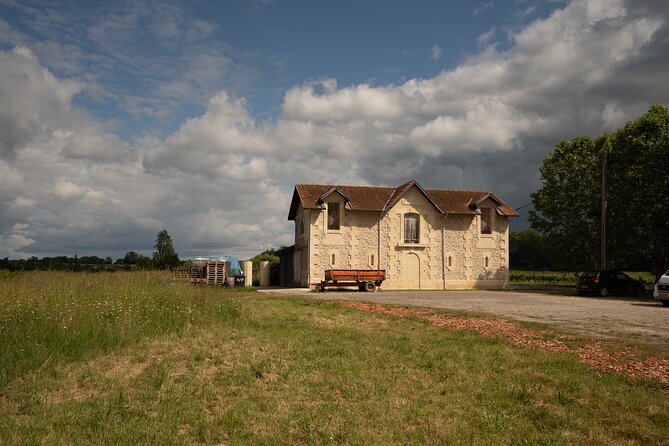
I would recommend Pestoury Vineyard to several kinds of visitors:
- First-time Bordeaux wine drinkers: The map introduction and broad tasting give you a useful starting point.
- Couples and small groups: The maximum of 10 keeps the setting personal, and one reported visit worked especially well for two friends who had the experience almost to themselves.
- Wine fans with limited time: You can learn the basics and taste several styles in about 90 minutes.
- Visitors who prefer family producers: The tour is led by Isabelle, Bertrand, or Marie, connecting the visit directly to the people who run the vineyard.
- Curious drinkers interested in organic methods: The farming transition since 2020 gives you a specific subject to ask about.
- People with their own transport: The lack of included transfers is much easier to manage if you can reach Yvrac independently.
I would be more cautious if you need a pickup from Bordeaux, want guaranteed outdoor time, or expect a large, fixed list of wines on every visit. The outdoor section depends on weather, and the exact tasting selection depends on availability.
The tour is also best for adults. Alcoholic beverages are served only to people over 18, even though grape juice may sometimes be available. Service animals are allowed.
Booking, timing, and cancellation advice
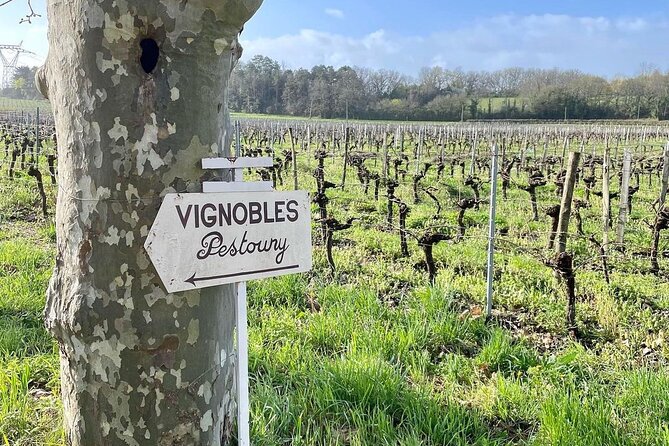
You receive confirmation at the time of booking, and the activity begins and ends at 14 Chem. de Tellas, 33370 Yvrac, France. Since the tour returns to its meeting point, allow extra time for your own journey afterward rather than planning a tight connection.
Free cancellation is available if you cancel at least 24 hours before the scheduled start time. Cancellations or changes made less than 24 hours before the start are not accepted for a refund, and the cut-off follows local time.
That policy is fair for a small family-run activity, but it makes advance transport planning important. Confirm your ride before the final cancellation window closes.
Should you book Pestoury Vineyard?
Book it if you want a reasonably priced, family-led introduction to Bordeaux wine with a tasting that goes beyond one style. The strongest reasons are the small group, the five-generation family connection, the map-based regional explanation, and the wide selection of wines.
Think twice if you need transport, want a long walk through the vines, or expect a guaranteed list of every wine mentioned. The visit is compact, weather-sensitive outdoors, and dependent on availability for some pours.
For the right visitor, the appeal is straightforward: you spend 90 minutes learning how one family farms, makes, and presents its wines, then taste the results. Arrange your own way to Yvrac, keep your expectations realistic, and this looks like a solid-value stop near Bordeaux.
FAQ
Where does the vineyard tour begin?
The tour begins at 14 Chem. de Tellas, 33370 Yvrac, France.
Where does the activity end?
The activity ends back at the same meeting point where it begins.
How long does the experience last?
The visit lasts approximately 1 hour and 30 minutes.
Is transportation to the vineyard included?
No. Transportation to and from the vineyard is not provided.
What language is the tour offered in?
The experience is offered in English.
How many people can join the tour?
The maximum group size is 10 people.
What wines are included in the tasting?
The tasting can include sparkling white, rosé, red wines, dry and sweet whites, and several Côtes de Bordeaux reds. The exact selection depends on availability, and house-made grape juice may also be available.
Can anyone drink the alcoholic samples?
No. Only people over the age of 18 are served alcoholic beverages during the tasting.
Just added around France
- Vineyard of the Alpilles by bike★ 4.6 · 8 reviews
- Vosne-Romanée: Private Vineyards Walking Tour with Tasting★ 4.4 · 9 reviews
- Vineyard tour and wine tasting in Davron★ 4.5 · 7 reviews
- Private Vineyard Tour and Wine Tasting in Bandol★ 5.0 · 16 reviews
- Vineyard visit in Gyropode, visit of Cave & Tasting Wines of Bandol★ 5.0 · 19 reviews
- Bike ride on the Wine Route from Sélestat★ 5.0 · 5 reviews
- Horse riding in the vineyards of Grimaud + wine tasting★ 5.0 · 3 reviews
- 1/2 day private Vintage tour, vineyards of Saint-Tropez★ 5.0 · 6 reviews
Organic Wineries, compared.
Malaga Organic Vineyard and Winery Six Wines Tapas and Transfer
Our review →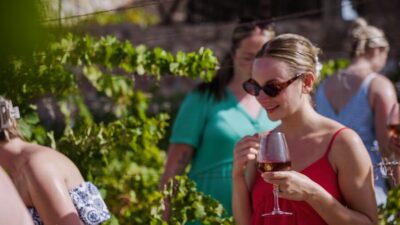
Organic Vineyard Tour with 6 Wines, Tapas & Transfer
Our review →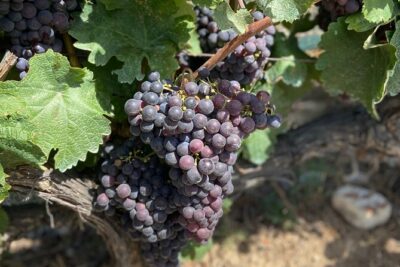
Small Group Guided E-bike Tour in Nice’s Organic Vineyard
Our review →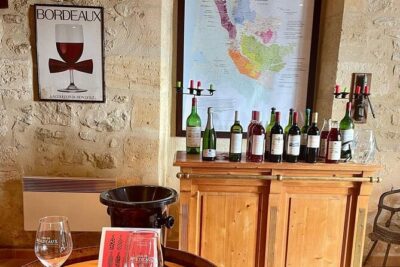
Tenerife: Tour of an Organic Vineyard with Tasting & Snacks
Our review →
Near Malaga: Mijas Organic Vineyard, 5 Wines, 2 Oils & Tapas
Our review →
Visit to Arafo Mountain Vineyard and Organic Wine Tasting
Our review →Every list this estate visit appears in