
REVIEW · ITALY
Franciacorta: visit the vineyard, cellar, and enjoy an Edea To tasting
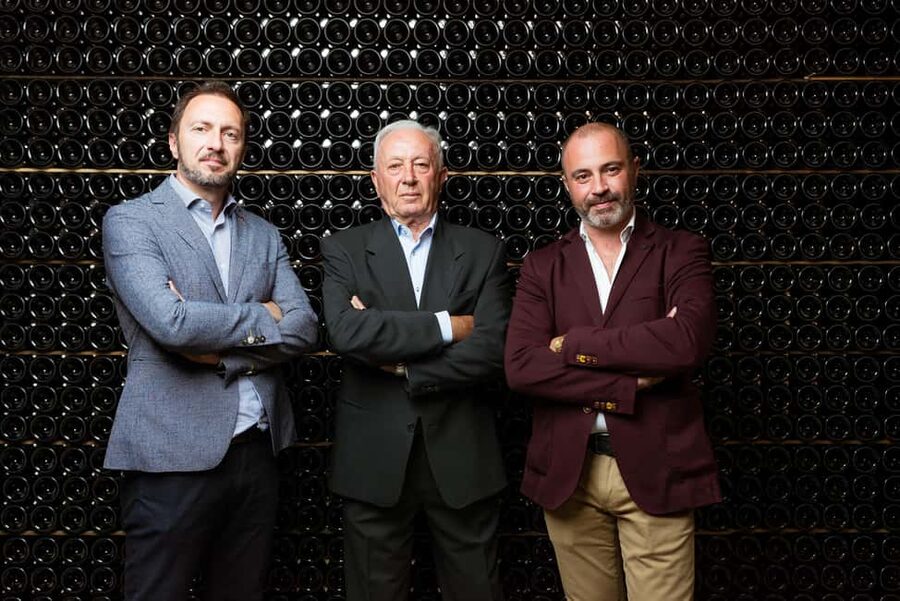
Franciacorta starts with a walk among vines. This two-hour Mirabella experience brings you into Lombardy’s sparkling-wine country for a look at Pinot Blanc, a historic cellar, and three guided tastings. I like the mix of working agriculture and old winemaking equipment, and I like that the price includes taralli and breadsticks rather than leaving you to face three glasses on an empty stomach. The main consideration is simple: this is a focused winery visit, not a full-day tour with transport or several estates.
I also appreciate the chance to see Mirabella’s 1942 concrete fermentation tanks, still used for first fermentation. That detail gives the visit a real sense of place. Your guide may add plenty of technical detail, as Chiara did for one particularly enthusiastic visitor, so this suits curious drinkers as well as people who simply want a pleasant afternoon in Franciacorta.
- Pinot Blanc collection vineyard: Walk through Mirabella’s rows and learn why this grape matters to the winery.
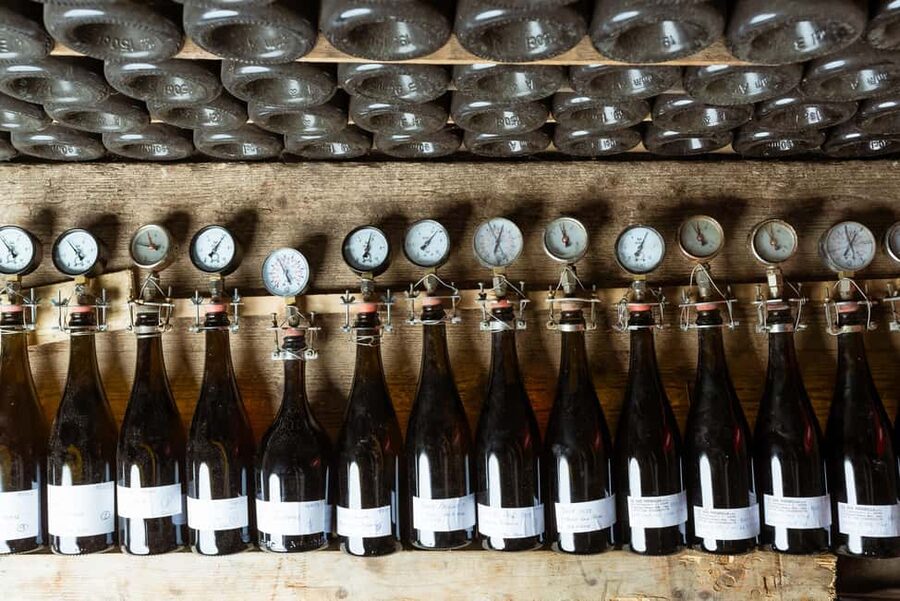
- 1942 cellar: See original concrete tanks where first fermentation still takes place.
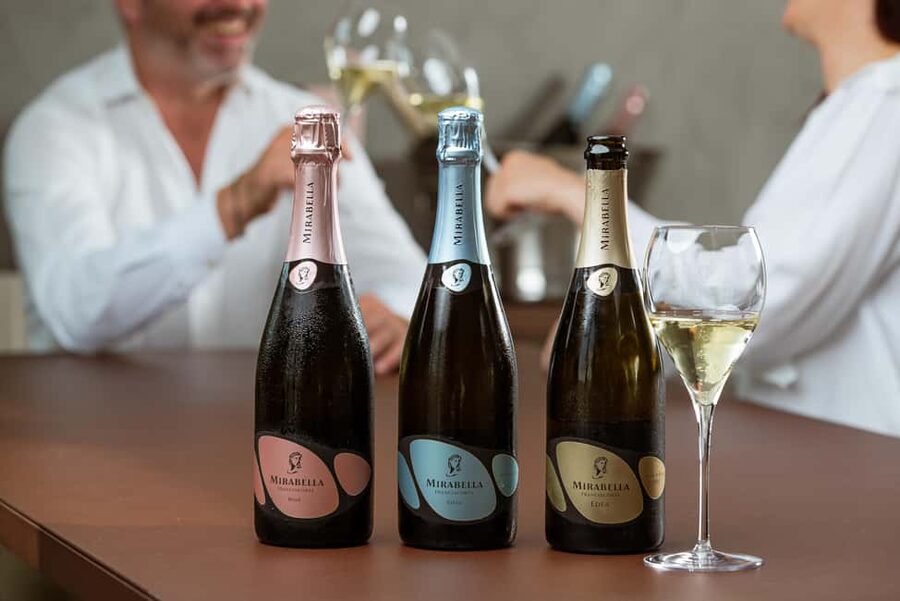
- Three Franciacorta wines: Taste Edea Brut Blanc de Blanc, Satèn Brut Millesimato, and Rosé Brut.
- Food pairing: Taralli and breadsticks provide a simple, useful match for the wines.
- Qualified guides: Tours are offered in English and Italian, with technical winemaking information available.
- Practical comfort: Bring a jacket and wear closed, stable shoes for the cooler cellar and vineyard paths.
What the Mirabella Experience Really Includes
At $38 per person, this is priced as an accessible introduction to Franciacorta rather than a luxury tasting. You receive a vineyard visit, a guided look at the winery, three wines, and small artisanal snacks. For anyone already planning to visit the area, that is a fair package, especially because the cellar adds substance beyond a quick pour at an enoteca.
The experience lasts about two hours on site, even though booking platforms may display the duration as one day for scheduling purposes. I would plan it as a half-day activity. You will need to make your own way to Via Cantarane 2, stay for the visit, and then continue on to your next stop.
That arrangement works well if you have a car and are exploring Franciacorta independently. It is less suitable if you want a chauffeur, hotel pickup, or a day packed with several wineries. None of those services are part of this experience.
Arriving at Via Cantarane 2
When you arrive, park in the outdoor square and go to the reception area of the Enoteca to announce yourself. Do not walk straight into the winemaking area or cellar. That small instruction matters, since this is a working winery rather than a museum set up only for scheduled visitors.
The meeting point is practical, but you should allow a few minutes to find the right reception area and get settled. You may also want to confirm the language of your tour at booking. English and Italian are available, and some material may remain in its original language.
The property is wheelchair accessible, which makes the visit possible for a wider range of participants. Still, comfortable footwear is sensible for everyone. Closed shoes are recommended, while heels or unstable shoes are a poor match for vineyard paths and production areas.
More wine cellar visits around Italy:
- Abellonio Cascina Piccaluga – visit to the vineyards, to the wine tasting cellar
★ 5.0 · 237 reviews - Prosecco tasting, appetizers and tour of the cellar and vineyards
★ 5.0 · 178 reviews - Riomaggiore: Vineyard & Wine Cellar Tour with Wine Tasting
★ 4.7 · 100 reviews
Walking Through the Pinot Blanc Collection Vineyard
The tour begins outdoors among the rows of the Pinot Blanc vineyard collection. This is more than a quick photo stop. Your guide explains the variety of grapes and introduces Mirabella’s approach to cultivation and production.
The special point here is the winery’s connection with Pinot Blanc. Mirabella is presented as Franciacorta’s first producer of Pinot Blanc, so the vineyard walk gives you a way to understand that identity before you taste the wines. Instead of hearing a generic explanation of sparkling wine, you begin with the grape and the ground where it grows.
I like this order. Wine tasting makes more sense when you first see the vines and hear how the producer thinks about them. If you are new to Franciacorta, this section helps you connect the wine in your glass with the work in the rows outside.
The vineyard also gives the tour a change of pace. You are not confined indoors for the full visit, and you can ask questions while looking at the vines. The available details do not promise a long country walk, so expect an informative stroll rather than a hike. Bring sensible shoes, especially if the ground is uneven or damp.
Inside the 1942 Winery and Concrete Tanks
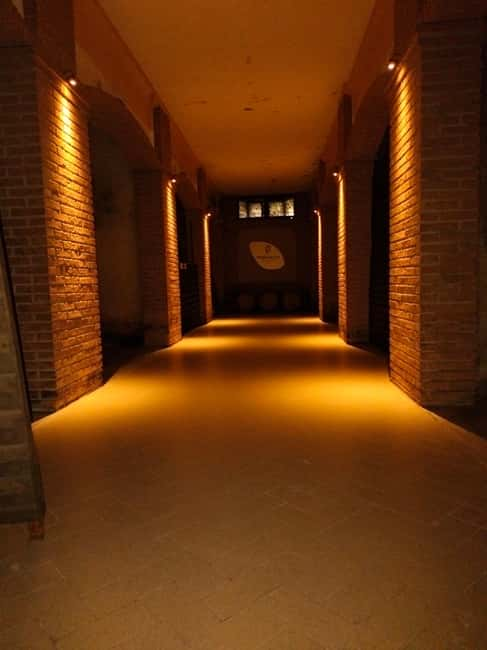
The historic winery is the heart of the visit. Its 1942 cellar still contains original concrete tanks used for the first fermentation. That is the sort of detail I value in a winery tour because it shows how older methods remain part of present production.
Concrete tanks also provide a useful contrast to the polished image many people have of sparkling wine. Here, you can see that Franciacorta is not only about elegant bottles and tasting-room presentation. It also depends on practical equipment, careful fermentation, and decisions made long before the cork comes out.
Your guide explains the origins of Franciacorta, cultivation methods, fermentation, and aging. The information can become fairly technical, which is good news if you want to understand what you are drinking. One visitor specifically praised the explanation of the family story and winemaking details, while another highlighted the small estate used for winemaking tests.
The cellar is cooler than the outdoor areas, so bring a coat or jacket even on a mild day. This is the most useful packing tip for the whole experience. A light layer will make it easier to concentrate on the cellar rather than wishing you had dressed for the temperature.
Three Mirabella Wines, Three Different Profiles
The tasting focuses on three representative Mirabella wines. The sequence gives you a compact look at different Franciacorta styles.
- Edea Brut Blanc de Blanc: This wine is described as elegant and mineral. It is the natural place to start, since the Blanc de Blanc style keeps attention on the white grapes and the wine’s freshness.
- Satèn Brut Millesimato: Creamy and refined, this provides a softer contrast to the first glass. If you prefer a rounder texture, this may be the wine that catches your attention.
- Rosé Brut: Intense and fruity, the rosé brings a more generous fruit character to the final tasting.
The point is not to declare one glass the winner. The useful part is comparing them. You can notice how grape composition and production choices affect aroma, texture, and finish, then decide what style you would actually buy.
The tasting is accompanied by artisanal taralli and breadsticks. These are modest snacks, not a meal, but they serve their purpose. They give you something salty and crisp to eat between pours, and they help keep the tasting comfortable. If you arrive hungry, have lunch first.
The tasting is also where the visit becomes most personal. One particularly pleased participant bought two bottles after tasting the wines, which suggests that the session is set up well for people who want to take a favorite home. Shopping is included as part of the winery stop, but purchasing bottles is not required.
A few more vineyard visits around Italy worth a look
- Half day Chianti Vineyard Escape from Florence with Wine Tastings
★ 4.5 · 2,196 reviews - Private Self-Guided E-Bike Ride in Tuscany with Vineyard Visit
★ 5.0 · 775 reviews - Florence: Chianti Wine Region Vespa or Fiat Topolino Tour
★ 4.8 · 739 reviews - From Venice: Prosecco Wine Region Tour with 2 Tastings
★ 5.0 · 374 reviews
Why the Guides Matter Here
A winery tour can be flat if the guide simply repeats production terms. This experience appears to depend heavily on the person leading it, and that is worth keeping in mind.
Chiara received special praise for her passion and for explaining both the family story and the technical side of winemaking. That combination is useful. You get the human background behind Mirabella, but you also learn what happens in the tanks and cellar.
The other available feedback also points to a friendly, professional guide and smooth organization. I would expect the tone to be welcoming rather than formal. Families, wine beginners, and serious enthusiasts are all included, so you should feel free to ask basic questions instead of pretending to know more than you do.
At the same time, the tour is not designed as a private master class. If you want a long, highly specialized discussion of vineyard chemistry or cellar equipment, the content may feel brief. For most visitors, the balance of history, production, and tasting should be enough.
Who Will Get the Most From This Visit
I would recommend this experience to you if you want a clear introduction to Franciacorta without committing to a full day of wine tourism. It is especially useful for:
- First-time visitors to Franciacorta who want context before tasting.
- Couples looking for a relaxed winery stop.
- Families who need a short activity rather than a long formal tasting.
- Wine enthusiasts interested in Pinot Blanc and concrete fermentation.
- Curious visitors who want to buy a few bottles directly from the producer.
Children and pets are welcome, but you should mention them when booking. That lets the winery prepare for your party and helps keep the visit comfortable for everyone.
The tour may be less satisfying if you expect vineyard transport, a large lunch, multiple producers, or an all-day itinerary. You get one winery, one vineyard collection, one cellar, and three wines. That focused format is its strength, but it also sets a clear limit.
Timing, Clothing, and Small Practical Details
The tour is offered at different starting times, so check availability before planning the rest of your day. Since the visit takes around two hours, leave extra time if you want to browse or shop after the tasting.
Wear closed, comfortable shoes. The advice against heels and unstable footwear is practical, not fussy. You will move between the outdoor vineyard, reception areas, and the cooler production cellar.
Pack a jacket even if the forecast is warm. The cellar temperature can make a noticeable difference, and a light layer takes little space in your bag.
The activity is wheelchair accessible. English and Italian guiding are available, though some content may be presented in its original language. Free cancellation is available up to 24 hours before the experience, and the reserve-now, pay-later option can help if your Lombardy plans are still changing.
How the $38 Price Holds Up
The $38 price is reasonable for a winery experience that includes both production access and a three-wine tasting. You are not paying only for a seat at a bar. The fee covers the vineyard walk, the historic cellar, the guide, and food to accompany the wines.
The value is strongest if you are already near Franciacorta. You can arrive independently, spend two useful hours at Mirabella, and continue exploring without paying for a transport package you may not need.
The value is weaker if you must make a long, expensive journey solely for this one visit. The tour itself is relatively short, and the snacks are light. In that case, pair it with another Franciacorta stop or a meal in the area so the outing feels more complete.
I also like that the price gives you a chance to compare three styles rather than tasting only one house wine. If you end up buying a bottle or two, as one satisfied participant did, the visit becomes both an introduction and a practical way to choose what you like.
My Take on the Overall Experience
The strongest part of this visit is its sense of connection. You begin with the Pinot Blanc vines, move into the 1942 cellar, hear how the family and winery developed, and finish by tasting the results. The route is short, but it has a clear purpose.
I especially like the original concrete tanks. They provide a physical link to the winery’s past without turning the tour into a display of old objects. The tanks are still part of production, which makes the history useful rather than decorative.
The guides also seem to be a major asset. Chiara’s warmth and technical explanations show the kind of personal attention that can turn a standard tasting into a memorable one. Just keep your expectations in proportion: this is an intimate winery introduction, not a grand estate tour with a full meal and a long itinerary.
Should You Book the Mirabella Edea Tour?
Book it if you want a manageable, well-priced introduction to Franciacorta with real production details. The Pinot Blanc collection, original 1942 concrete tanks, and three distinct Mirabella wines give the visit more substance than a basic tasting.
I would skip it only if you need hotel transportation, a full-day wine route, or a substantial meal included. For everyone else, $38 buys a useful look at how Franciacorta is made, plus enough wine and food to help you decide what deserves a place in your suitcase.
FAQ
How long does the Mirabella winery experience last?
The winery visit itself lasts about two hours. Booking information may show a one-day duration for scheduling, but the guided activity is a focused two-hour experience.
Where is the meeting point?
The meeting point is at Via Cantarane 2 in Lombardy. Park in the outdoor square, then report your arrival at the reception area of the Enoteca.
What wines are included in the tasting?
The tasting includes Edea Brut Blanc de Blanc, Satèn Brut Millesimato, and Rosé Brut from Mirabella.
Is food included with the wine tasting?
Yes. The wines are served with artisanal taralli and breadsticks.
Is the tour available in English?
Yes. Live guiding is available in English and Italian. Some content may be presented in its original language.
Can children, pets, and wheelchair users join?
Children and pets are welcome, but you should notify the winery when booking. The activity is wheelchair accessible.
Just added around Italy
- Winery Visit & Tasting near Grosseto with 6 wines★ 4.8 · 6 reviews
- Winery Visit & Tasting on the Volcanic Slopes near Catania★ 5.0 · 2 reviews
- Wine tour and lunch or dinner at our vineyard★ 4.6 · 15 reviews
- Winery Visit on Parma Hills & Wine Tasting with Food Platter★ 5.0 · 26 reviews
- Wine Tasting and Winery Visit near Asti and Turin★ 4.5 · 5 reviews
- Wine tasting under the Stars in the vineyards of Agrigento★ 5.0 · 3 reviews
- Walk through our vineyard and aperitif★ 4.7 · 19 reviews
- Volterra: Aperivintage aperitif in vineyard whit a Fiat 500★ 5.0 · 7 reviews
Wine Cellar Visits, compared.
Abellonio Cascina Piccaluga – visit to the vineyards, to the wine tasting cellar
Our review →
Prosecco tasting, appetizers and tour of the cellar and vineyards
Our review →
Riomaggiore: Vineyard & Wine Cellar Tour with Wine Tasting
Our review →
San Gimignano: Vineyard and Cellar Tour with Wine Tasting
Our review →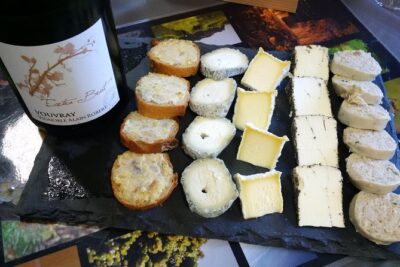
Tour of a Vineyard, Winery & Cellar with Wine Tasting in Vouvray, Loire Valley
Our review →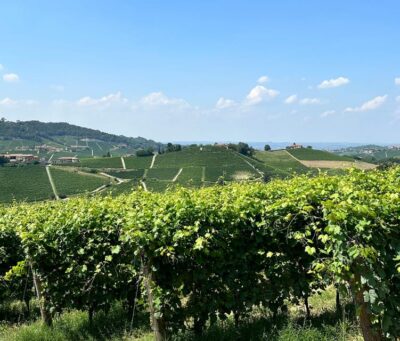
Monforte d’Alba: Barolo Tasting, Vineyard & Cellar Visit
Our review →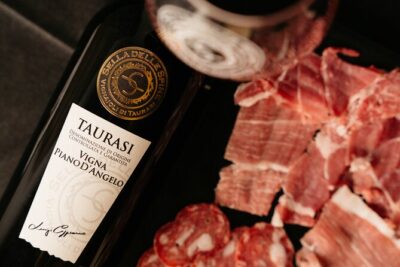
Sella delle Spine Taurasi: Tasting, Vineyard and Cellar Tour
Our review →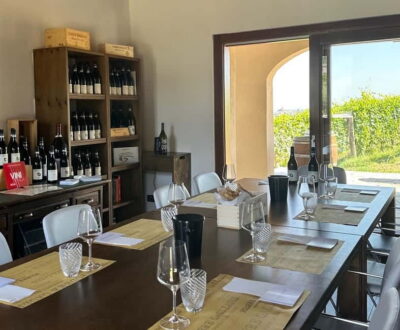
Monforte d’Alba: Wine Tasting, Cellar Visit, and Vineyard Tour
Our review →Every list this estate visit appears in