
REVIEW · ITALY
Il Molino di Grace: Vineyard & Cellar Tour with Wine Tasting
A small tour can leave a big impression. Il Molino di Grace offers a compact, one-hour introduction to Tuscan wine, combining a vineyard walk, cellar visit, and tasting of four estate wines. I especially like the clear, practical explanation of winemaking and the chance to sample olive oil and balsamic alongside the wine.
The price is another strong point. At $35 per person, you get more than a seated tasting: you also see the vineyard, winemaking room, and barrel-aging room. The main consideration is the short duration. If you want a long lunch, a broad cellar tour, or a slow afternoon among the vines, this experience may feel brisk.
Key Things to Know Before You Go
- Four estate wines in one hour: The tasting gives you a useful sample of different styles and winemaking methods without taking up half a day.
- A vineyard visit comes first: Weather permitting, you walk among the vines and learn how soil, climate, grape varieties, and farming choices shape the wine.
- The cellar adds useful context: Tanks, barrels, fermentation, aging, and bottling all become easier to understand after the guide explains their roles.
- Olive oil and balsamic are included: These extras make the tasting feel more connected to Tuscan food traditions.
- English and Italian tours are available: Some staff may also speak Polish, which could be helpful for Polish-speaking visitors.
- Good for mixed groups: You do not need advanced wine knowledge. Beginners can follow along, while experienced wine drinkers can ask more detailed questions.
Starting Among the Tuscan Vines
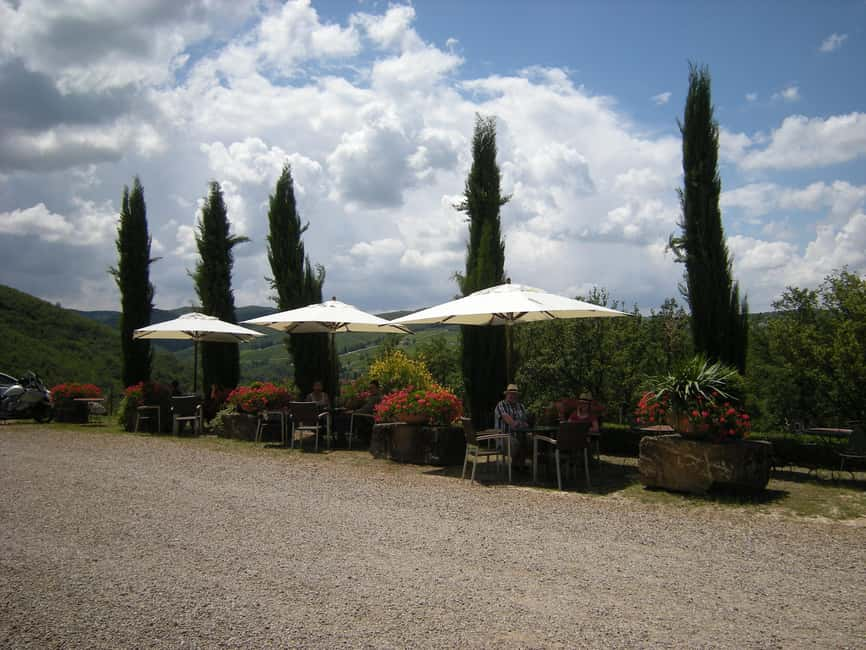
The experience begins outside, with a walk through the vineyard if weather allows. This is a smart way to start. Before you taste a wine, you get a sense of where it begins.
Your guide introduces the estate’s story, the grape varieties grown there, and the local terroir. That word can sound grander than it needs to be. Here, it simply means the combination of soil, climate, slope, farming choices, and local conditions that affect the grapes.
I like this part because it gives you a way to think about the tasting later. Instead of treating wine as a mysterious product in a glass, you begin to connect its flavor with the place and the work behind it.
You also learn about the growing process and the problems a vineyard must handle. Weather can affect the vines, and farming decisions matter long before grapes reach the cellar. The discussion of sustainable practices adds useful context without turning the visit into a technical lecture.
The vineyard walk is weather dependent, so dress for the conditions. Comfortable shoes are a good idea, especially if the ground is uneven or damp. Weather-appropriate clothing will make the outdoor portion more pleasant, and it is worth remembering that Tuscany can feel quite different from one season to the next.
More wine cellar visits around Italy:
- Abellonio Cascina Piccaluga – visit to the vineyards, to the wine tasting cellar
★ 5.0 · 237 reviews - Prosecco tasting, appetizers and tour of the cellar and vineyards
★ 5.0 · 178 reviews - Riomaggiore: Vineyard & Wine Cellar Tour with Wine Tasting
★ 4.7 · 100 reviews
Seeing Where the Wine Changes
After the vineyard, the tour moves into the winemaking room. This is where the basic ideas from the outdoor walk become concrete.
The guide explains fermentation, the equipment used, and the steps that turn grape juice into wine. You may see tanks and other working equipment, depending on the area open during your visit. The important point is not simply looking at machinery. It is learning what each stage does and why timing, temperature, and handling affect the finished bottle.
For a first winery visit, this section is especially useful. Many people know that grapes ferment, but fewer understand how much control and attention goes into the process. The tour gives you a simple framework: grapes are prepared, fermentation develops the wine, and later aging helps shape texture, aroma, and complexity.
The explanation also helps you ask better questions at the tasting. You can think about how fermentation and aging may influence the wines in front of you, rather than judging each one only as sweet, dry, light, or full-bodied.
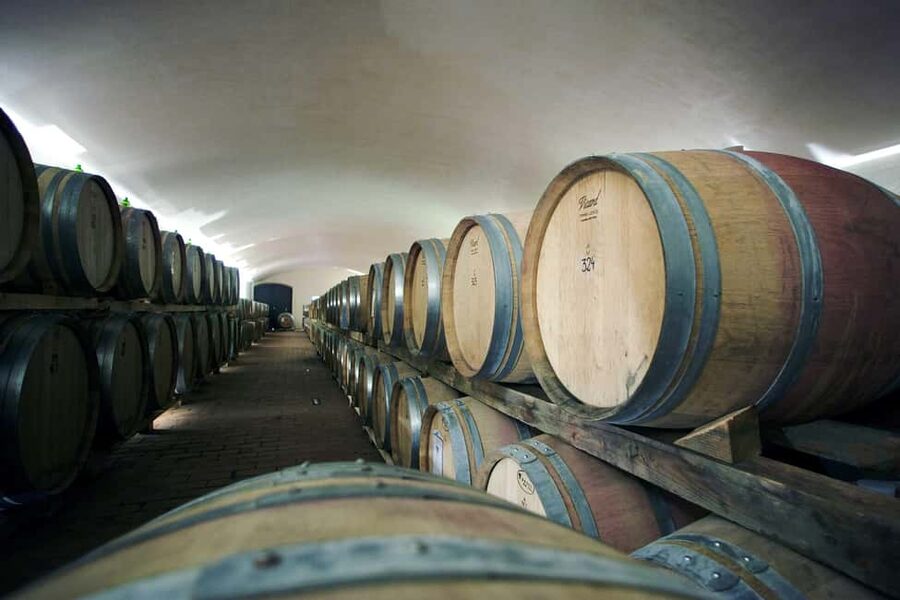
The tour then continues to the barrel-aging room. Barrels and tanks show you that winemaking does not end once fermentation is complete. Time in different vessels can affect the wine’s texture and character, and the guide explains the traditions followed at the estate.
I find this part valuable because it strips away some of the mystery around wine labels and tasting notes. You do not need to memorize technical terms. You only need to understand that the cellar choices help determine what eventually reaches your glass.
Four Wines With a Story Behind Each Glass
The tasting follows the tour, with four estate-made wines selected to show different styles or approaches to wine production. The exact selection can vary, so it is best to think of the tasting as a representative sample rather than a fixed menu.
A guide or sommelier leads you through the wines, discussing aroma, flavor, and the way each bottle reflects the estate. The story attached to each wine is just as useful as the liquid itself. You learn how it was made and why it tastes the way it does.
For beginners, this is a friendly introduction to tasting. You can compare the wines one by one and notice your own preferences. You might prefer a fresher style, a fuller texture, or a wine with more pronounced barrel character. There is no need to find the most sophisticated answer. The useful answer is the one you enjoy drinking.
For experienced wine drinkers, the value comes from asking questions. You can ask about grape varieties, fermentation, barrel aging, and the reasons behind the estate’s choices. The one-hour schedule means the discussion cannot cover every detail, but it should give you a focused look at the winery’s approach.
The atmosphere also sounds pleasantly relaxed. The experience is designed to welcome people who know little about wine, and the professional greeting reported by visitors fits that purpose. A Polish-speaking member of staff may be available, which is a helpful detail for Polish visitors, though English and Italian are the stated tour languages.
Olive Oil and Balsamic Add a Tuscan Food Note
Wine is the main event, but the included tasting of extra-virgin olive oil and balsamic gives the experience a wider Tuscan flavor.
These additions matter because wine in Tuscany makes more sense when considered with food. Olive oil and balsamic are not just bonus samples. They remind you that local produce, simple ingredients, and careful preparation are central to the region’s table.
The olive oil tasting can also help break up the wine sequence. After four wines, a small change in flavor gives your palate something different to consider. You can compare the oil’s freshness and texture with the acidity and structure of the wines, even if the experience does not offer a full meal or formal food pairing.
Keep your expectations in line with the format. This is a tasting, not a winery lunch. The included oil and balsamic add value, but they do not turn the visit into an extended culinary program.
A few more vineyard visits around Italy worth a look
- Half day Chianti Vineyard Escape from Florence with Wine Tastings
★ 4.5 · 2,196 reviews - Private Self-Guided E-Bike Ride in Tuscany with Vineyard Visit
★ 5.0 · 775 reviews - Florence: Chianti Wine Region Vespa or Fiat Topolino Tour
★ 4.8 · 739 reviews - From Venice: Prosecco Wine Region Tour with 2 Tastings
★ 5.0 · 374 reviews
Is One Hour Enough?
For a first look at Il Molino di Grace, one hour is efficient. You get the main elements: the vineyard, the production rooms, the barrels, and four wines. That makes it easy to fit into a day of sightseeing in Tuscany.
The short schedule can also be a drawback. The guide needs to cover the estate’s history, grape varieties, terroir, sustainable farming, fermentation, aging, bottling, and four tasting samples in a limited period. Some subjects will naturally receive only a brief explanation.
I would choose this tour if you want a clear introduction rather than a full-day wine outing. It works well for couples, small groups, first-time winery visitors, and people building several Tuscan stops into one day.
You may want something longer if your main goal is extensive wine education, a leisurely meal, or a highly detailed comparison of many vintages. Four wines provide a good overview, but not a deep survey of the estate’s entire cellar.
What $35 Per Person Buys You
At $35 per person, the experience offers solid value. You are paying for a guided visit, not only four pours. The price includes the vineyard walk when conditions permit, the winemaking room, the barrel-aging room, the four estate wines, olive oil, and balsamic.
That combination is important. A wine tasting without context can feel brief and generic. Here, the production areas give the tasting a reason and a setting. You see where the wine develops before you discuss what is in the glass.
The value is also strongest for people who would otherwise pay for a simple tasting and still want to understand the winery. The guide’s explanations help you get more from each pour, while the cellar visit gives you a practical look at the work behind the bottles.
Still, price should be judged against your interests. If you are not interested in wine, the four samples may not justify a special trip. If you enjoy food and drink but have only an hour, the combination is appealing.
Access, Language, and What to Wear
The experience is wheelchair accessible, which makes it a practical choice for visitors who need an accessible tour. The vineyard portion depends on the weather, and the outdoor route may be less predictable than the indoor spaces, so anyone with specific mobility needs should confirm the current route when booking.
Tours are offered in English and Italian. The staff has also included Polish-speaking help on at least some visits, but Polish is not listed as a guaranteed tour language. If language support is important to you, check before reserving.
Wear comfortable shoes and clothing suited to the forecast. This advice is simple but important. You may walk through the vineyard before standing or moving through the cellar, and Tuscan weather can change during the day.
The tour has live guides rather than a purely recorded explanation. That gives you the chance to ask about the grapes, farming, cellar equipment, tasting notes, or anything else that catches your attention.
Who Will Get the Most From This Visit?
I would recommend Il Molino di Grace to several types of visitors:
- Wine beginners who want an easy introduction without a long academic lecture.
- Couples looking for a short Tuscan activity with a scenic outdoor element.
- Food-focused visitors who appreciate the addition of olive oil and balsamic.
- Experienced wine drinkers who want to ask questions and compare four estate wines.
- Visitors with a tight schedule who cannot spend an entire afternoon at a winery.
- Polish-speaking visitors who may benefit from staff members able to offer some help in Polish.
Families and mixed-interest groups may also find the one-hour format useful, although the experience is still centered on wine. Anyone expecting a full meal, a large number of wines, or extensive time wandering the estate should choose carefully.
Practical Tips for a Better Tasting
Arrive ready to pay attention during the vineyard and cellar portions. The tasting will make more sense if you remember the points about grape varieties, farming, and aging.
Ask questions as you go. You might ask how sustainable practices affect the vines, what role the barrels play, or why one wine spends more time aging than another. A short tour becomes much more useful when you make it a conversation.
Do not rush to decide which wine you like best. Compare the four samples and notice what changes from glass to glass. You may find that your favorite is not the style you expected to prefer.
If you are visiting during poor weather, remember that the vineyard walk may be adjusted or limited. The cellar and tasting remain the stronger parts of the plan, but the outdoor portion is not guaranteed.
Booking is flexible, with free cancellation up to 24 hours before the experience and a reserve-now, pay-later option. That is useful if your Tuscan plans depend on weather or changing day-trip schedules.
Should You Book Il Molino di Grace?
Book it if you want a well-priced, one-hour introduction to Tuscan wine that includes more than a tasting. The vineyard walk, winemaking room, barrel-aging room, four wines, olive oil, and balsamic create a nicely balanced visit.
I would be especially comfortable recommending it to beginners and visitors with limited time. The professional welcome, clear explanations, and good wine make the experience approachable rather than intimidating.
Skip it if you want a long, slow winery day with a meal, many vintages, or extensive time in the countryside. For everyone else, $35 buys a useful look at how Tuscan wine is grown, made, aged, and tasted.
FAQ
How long does the Il Molino di Grace tour last?
The experience lasts one hour.
How many wines are included?
The tasting includes four estate-made wines.
Are olive oil and balsamic included?
Yes. The experience includes tastings of extra-virgin olive oil and balsamic.
Is the vineyard tour always available?
The vineyard walk is offered weather permitting.
What languages are available?
Live guided tours are available in English and Italian. Some staff may also speak Polish, but Polish is not listed as a guaranteed tour language.
Is the experience wheelchair accessible?
Yes, the experience is listed as wheelchair accessible.
Just added around Italy
- Winery Visit & Tasting near Grosseto with 6 wines★ 4.8 · 6 reviews
- Winery Visit & Tasting on the Volcanic Slopes near Catania★ 5.0 · 2 reviews
- Wine tour and lunch or dinner at our vineyard★ 4.6 · 15 reviews
- Winery Visit on Parma Hills & Wine Tasting with Food Platter★ 5.0 · 26 reviews
- Wine tasting under the Stars in the vineyards of Agrigento★ 5.0 · 3 reviews
- Wine Tasting and Winery Visit near Asti and Turin★ 4.5 · 5 reviews
- Walk through our vineyard and aperitif★ 4.7 · 19 reviews
- Volterra: Aperivintage aperitif in vineyard whit a Fiat 500★ 5.0 · 7 reviews
Wine Cellar Visits, compared.
Abellonio Cascina Piccaluga – visit to the vineyards, to the wine tasting cellar
Our review →
Prosecco tasting, appetizers and tour of the cellar and vineyards
Our review →
Riomaggiore: Vineyard & Wine Cellar Tour with Wine Tasting
Our review →
San Gimignano: Vineyard and Cellar Tour with Wine Tasting
Our review →
Tour of a Vineyard, Winery & Cellar with Wine Tasting in Vouvray, Loire Valley
Our review →
Monforte d’Alba: Barolo Tasting, Vineyard & Cellar Visit
Our review →
Sella delle Spine Taurasi: Tasting, Vineyard and Cellar Tour
Our review →
Monforte d’Alba: Wine Tasting, Cellar Visit, and Vineyard Tour
Our review →Every list this estate visit appears in