
REVIEW · GERMANY
Neustadt: Wine tasting with cellar tour and vineyard visit
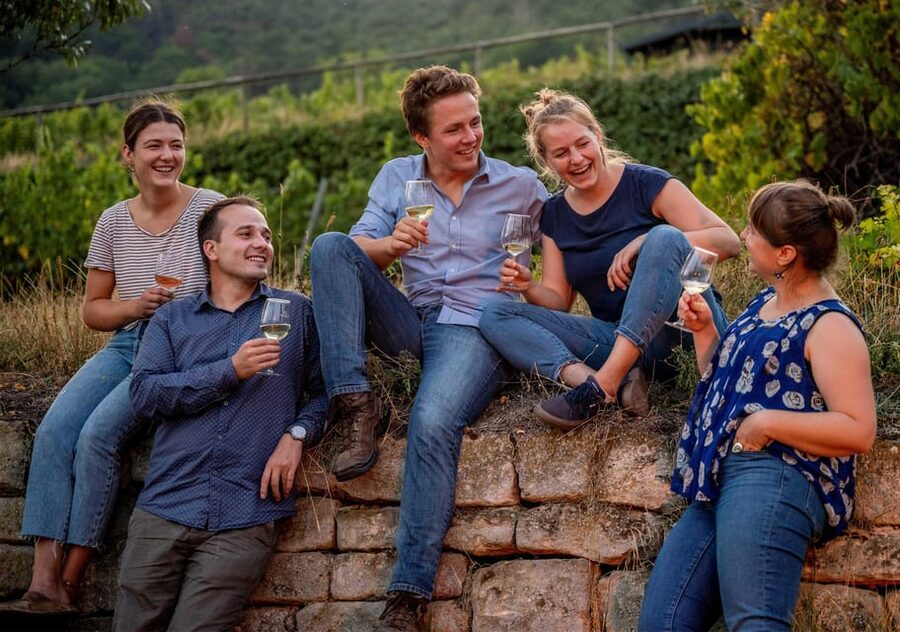
Wine, wood barrels, and a Palatinate garden. This 90-minute visit to Weingut Peter Stolleis gives you a close look at family winegrowing near Neustadt and Deidesheim, with seven wines, a cellar tour, and a stop in the house vineyard. I like the focus on organic, hands-on viticulture, and I like that the tasting includes both Riesling and Burgundy varieties rather than just one local style.
The main consideration is access. The cellar and vineyard visit are not suitable for wheelchair users, and the tasting is limited to people aged 16 and over, so this is not a family outing for younger children. The short format also gives you a useful introduction rather than a full day among the vines.
Key points at a glance
- Seven wines in one sitting: Taste one sparkling wine and six still wines, with an emphasis on Riesling and Burgundy grape varieties.
- A twelfth-generation family winery: The Stolleis family has grown wine for twelve generations, giving the visit a strong local and personal focus.
- Organic vineyards between Neustadt and Deidesheim: The vines are organically certified and require substantial manual work through the year.
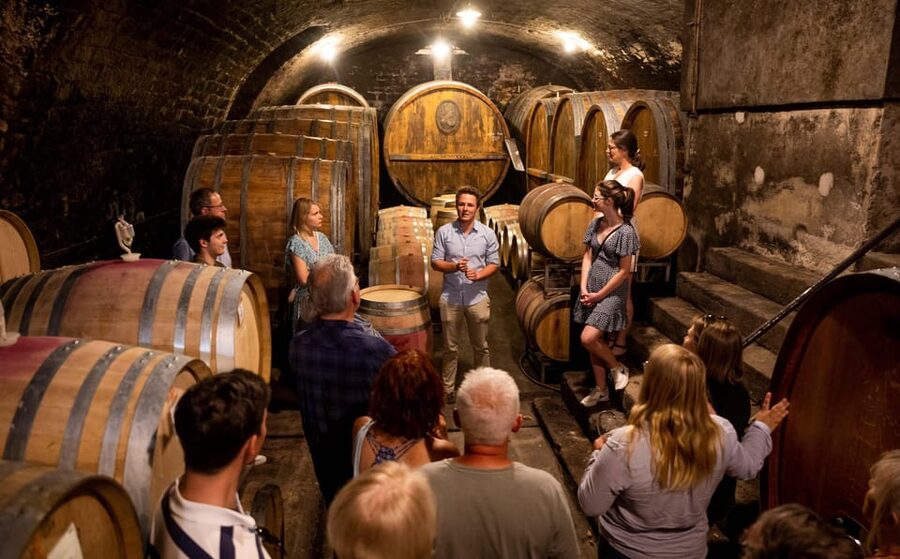
- A historic wooden barrel cellar: The guided cellar visit shows where the wines mature in a vaulted setting.
- Garden tasting when weather allows: On a sunny day, the tasting can take place outdoors at the winery.
- Good value at $34: The fee covers the tasting, cellar tour, and house vineyard visit in a compact 90-minute program.
A small winery with twelve generations behind it
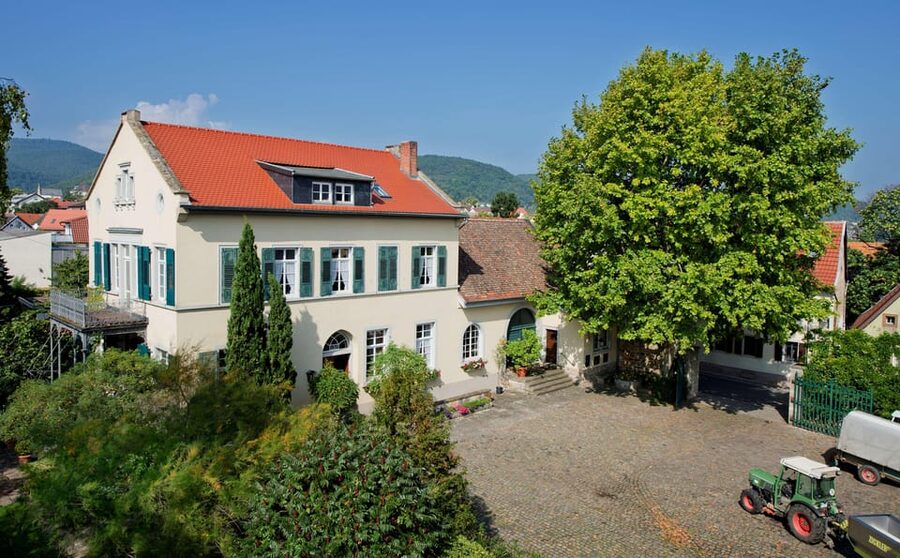
Weingut Peter Stolleis is a classic Palatinate family business. The Stolleis family has worked as winegrowers for twelve generations, and that long connection matters because this visit is about more than pouring glasses. You get a picture of how a family winery works across the whole year.
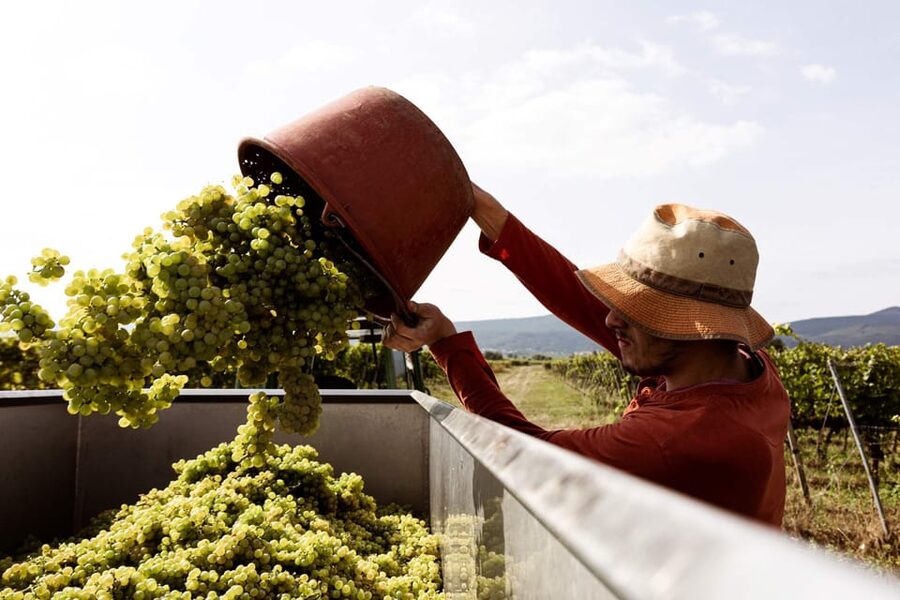
The vineyards lie between Neustadt and Deidesheim, two well-known wine towns in the Palatinate. The family farms its sites organically, which means the work does not end when the grapes are picked. Much of the vineyard care is done by hand, and the winery brings in about 30 helpers from family, friends, and the surrounding area for the autumn harvest.
That detail gives the tasting some useful context. A bottle is not just a finished product placed on a shelf. It reflects months of vineyard work, a busy harvest, and a long period of maturation in the cellar.
I like that the visit keeps this story grounded in the family business. You are not being shown a large commercial operation with a polished visitor center and a sales pitch at every turn. The emphasis is on the craft, the vineyards, and the wines made at this one winery.
More wine cellar visits around the world:
- Abellonio Cascina Piccaluga – visit to the vineyards, to the wine tasting cellar
★ 5.0 · 237 reviews - Prosecco tasting, appetizers and tour of the cellar and vineyards
★ 5.0 · 178 reviews - Riomaggiore: Vineyard & Wine Cellar Tour with Wine Tasting
★ 4.7 · 100 reviews
The tasting begins with seven Palatinate wines
The tasting includes one sparkling wine and six wines. The program focuses on Riesling and Burgundy grape varieties, giving you a chance to compare the fresh, familiar character of Riesling with the fuller range of Burgundy-style grapes.
Riesling is central to the Palatinate, and tasting it at the place where it is grown helps you connect the wine with the region. The Burgundy varieties add welcome variety to the flight. Instead of tasting six versions of one grape, you get a broader look at the winery’s approach.
The exact order and labels may vary, but you should expect the tasting to introduce you to the range of wines produced by the estate. The guide explains the wines and answers questions, so you do not need to arrive with a technical background.
This is a good setting for curious beginners. You can ask basic questions without feeling out of place, and the experience is not described as a formal wine course. At the same time, people who already know German wine should find enough variety to make the tasting worthwhile.
One of the most praised parts of the experience is the way the tasting is led. The guide has been described as friendly, clear, and well judged, offering enough information without talking too much. That balance matters. Wine explanations can become either vague or overly technical, but the aim here is to keep the conversation useful and relaxed.
The tasting may take place in the winery garden if the weather is good. That can make a real difference to the mood. Sitting outside with a glass of wine, after hearing about the vineyards around you, gives the visit an easy, unhurried feel.
The garden setting is weather dependent, so you should not book expecting an outdoor tasting in every season. The experience still includes the same basic program when held indoors, but the garden is a pleasant bonus on a warm day.
The historic cellar adds the sense of place
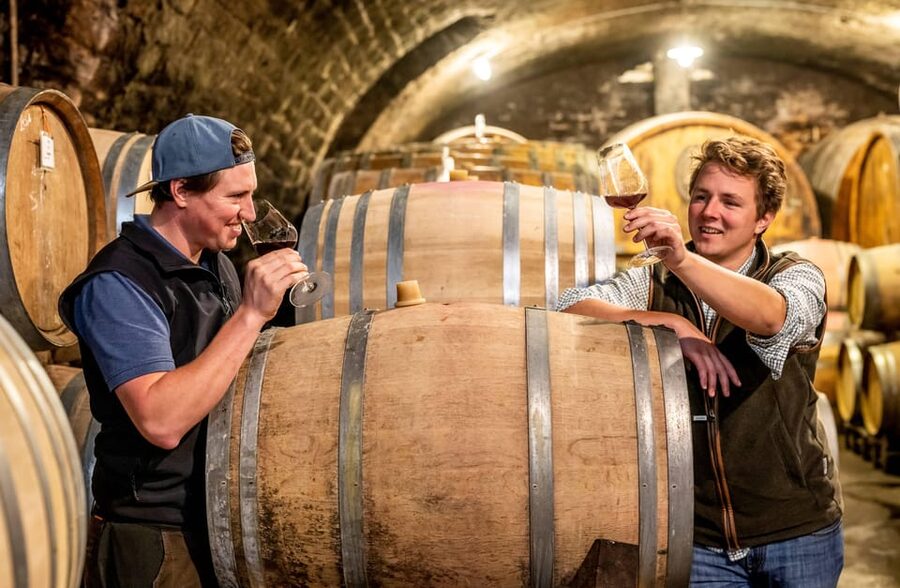
After or around the tasting, you receive a guided tour of the historic wine cellar. The cellar includes wooden barrels and a vaulted setting, giving you a look at the part of the process that is easy to miss when wine is presented only as a finished drink.
The Stolleis wines mature there for a long period. That helps explain why the cellar is included rather than treated as decoration. You see where the winery’s patience enters the process, after the grapes have been harvested and the early work is complete.
The cellar visit is likely to appeal most to people who enjoy traditional wine production. Wooden barrels and vaulted rooms have a very different feel from a modern tasting room filled with steel tanks and bright displays. The tour connects the family’s history with the wines in your glass.
It is also a practical reason to choose this activity over a simple tasting. You are not only sampling seven wines. You are seeing the place where the wines mature and hearing about the work that takes place behind the bottle.
Keep in mind that a historic cellar is not the same as a fully accessible visitor facility. Wheelchair users are specifically excluded from this activity, so the cellar and vineyard route may involve conditions that do not work for every visitor.
The house vineyard makes the work more tangible
The visit also includes the house vineyard. This is a short but important part of the program because it takes the discussion outside the winery and shows you where the process begins.
The family farms its vineyards organically, with a strong reliance on manual labor. That means the vineyard stop is not just a photo opportunity. It gives you a chance to connect the family’s stated approach with the actual growing sites around the winery.
The harvest requires about 30 helpers from the family, friends, and nearby area. That detail says something about the scale of the operation and the seasonal rhythm of the business. Autumn is not a quiet time for a small winery. It is a concentrated period when many people are needed to bring in the crop.
If you enjoy learning how food and drink are produced, this part of the experience is especially useful. You can ask about the vineyard work, the grapes, and the choices involved in organic farming. The activity is not advertised as an agricultural workshop, so expect an introduction rather than a long technical field session.
The vineyard visit also helps you understand the connection between Neustadt and Deidesheim. These are not wines made in an anonymous factory far from the vines. The winery’s sites sit in a recognizable Palatinate wine area, and the visit keeps that local link in view.
A few more vineyard visits around the world worth a look
- From Porto: 2 Wine Regions, Farm-to-Table Lunch & Boat
★ 4.9 · 5,724 reviews - Napa and Sonoma Wine Country Full-Day Tour from San Francisco
★ 4.5 · 4,455 reviews - Douro Valley Tour: 2 Vineyard Visits, River Cruise, Winery Lunch
★ 5.0 · 3,542 reviews - San Francisco Super Saver: Muir Woods & Wine Country w/ optional Gourmet Lunch
★ 4.5 · 3,352 reviews
What the 90-minute schedule feels like
Ninety minutes is enough time for a focused introduction, but it is not a slow, half-day winery visit. The schedule combines the tasting, the cellar tour, and the house vineyard without leaving much room for wandering.
That compact timing is a strength if you are fitting the activity into a day in Neustadt. You can learn about local wine without giving up an entire afternoon. It also works well as part of a wider trip through the Palatinate wine region.
The pace may feel brisk if you want lengthy discussions about each bottle or a long walk through several vineyard sites. The vineyard component is the house vineyard, not a broad tour of every site farmed by the family. You should choose this experience for a clear introduction to the winery, not for a full wine certification lesson.
The guides speak German and English. Some content may be presented in its original language, so English-speaking visitors should be prepared for a bilingual setting. The guide’s warm and approachable style is a plus, especially if you have questions.
The experience is also aimed at adults and older teenagers. People under 16 cannot participate, and pregnant women are not considered suitable for the activity. Since wine is the main focus, that restriction is understandable, but it does limit the group you can bring.
Why $34 is a fair price
At $34 per person, the value is good for a 90-minute winery experience. The price includes seven pours, a guided cellar tour, and a visit to the house vineyard. You are paying for both the tasting and the explanation of how the wine is produced.
The cost looks especially reasonable if you would otherwise pay separately for wine samples and a guided visit. The winery offers a complete small-scale program rather than a single tasting flight with no background.
The value also comes from the family setting. A large attraction may offer more displays or a longer route, but this visit gives you direct access to the work of one organic winery and the people who explain it. If authentic local production matters to you, that personal scale is part of what you are buying.
Still, you should keep your expectations in line with the price. This is not a luxury food pairing, a full meal, or a private vineyard day. The information provided does not include a meal or a broad selection of regional products, so plan to eat separately.
The experience includes free cancellation up to 24 hours before the start time, and you can reserve now and pay later. Those options make it easier to fit the winery visit into a changeable itinerary, especially if you are still deciding how long to spend around Neustadt.
The best time to choose the garden setting
The outdoor tasting depends on the weather. When conditions are good, the garden can be the nicest part of the experience, giving you a relaxed place to taste the wines after learning about the estate.
Several visits took place in the garden during good weather, and the setting was paired with generous explanations and time to enjoy the surroundings. That combination is useful for people who prefer a calm social experience over a formal tasting room.
Spring, summer, and early autumn are the natural seasons to hope for an outdoor session, but the activity does not promise one. The harvest period in autumn also has a special connection to the winery’s story, since that is when the family, friends, and local helpers gather to pick the grapes.
A visit in cooler weather can still work well if you care more about the cellar and the wines than sitting outdoors. The vaulted cellar gives the activity character in any season, while the garden should be treated as a weather-based extra.
Who will enjoy this winery visit most
I would recommend this experience to you if you want a manageable introduction to Palatinate wine and prefer a family-run winery to a large sightseeing attraction. It suits couples, adult friends, wine-curious visitors, and small work groups looking for an activity with conversation built in.
It is also a good choice if you appreciate organic farming but do not want a highly technical lecture. The family’s approach is explained through the vineyard, the harvest, the cellar, and the wines themselves.
You may want a longer or more specialized experience if you already have advanced wine knowledge. The 90-minute format offers a broad introduction, not an extended comparison of vintages, vineyard sites, or production methods.
I would also think twice if you need step-free access or if your group includes children under 16. Those are firm limits, not minor inconveniences. The same applies to pregnant visitors, since wine tasting is central to the program.
A practical way to fit it into your day
Allow the full 90 minutes and avoid scheduling another fixed activity immediately afterward. The tasting, questions, cellar visit, and vineyard stop may each take a little more or less time depending on the group and the guide.
If you want the garden setting, check the forecast, but do not build your entire plan around sitting outside. The indoor and cellar parts remain the reliable core of the visit.
The program is offered in German and English. If you are not comfortable with either language, some of the explanation may be difficult to follow, since the activity depends on guided commentary rather than tasting alone.
Because seven wines are included, you should also plan the rest of your day sensibly. The activity is short, but it is still a wine tasting rather than a quick sample at a shop.
Should you book the Stolleis wine experience?
Book it if you want a friendly, compact winery visit with real local character. The combination of seven wines, organic vineyard work, a historic wooden barrel cellar, and a house vineyard gives you more substance than a basic tasting.
The strongest reasons to choose it are the family history, the clear and approachable guiding, and the chance to taste outside in the garden when weather permits. At $34, it offers solid value for an adult visitor who wants an introduction to Riesling, Burgundy varieties, and Palatinate winegrowing.
Skip it if you need wheelchair access, are traveling with children under 16, or want a full-day vineyard tour with a meal. For everyone else, this is a sensible way to spend 90 minutes near Neustadt, with enough wine and story to make the visit memorable without taking over your whole day.
FAQ
How long does the wine tasting and cellar tour last?
The experience lasts 90 minutes. It includes the wine tasting, the guided tour of the historic wine cellar, and a visit to the house vineyard.
How many wines are included?
You will taste one sparkling wine and six wines, for a total of seven wines. The selection focuses on Riesling and Burgundy grape varieties.
Is the tasting held outdoors?
Weather permitting, the tasting takes place in the winery garden. If conditions are not suitable, the garden setting is not guaranteed.
What languages are available?
The live tour guide speaks German and English. Some content may be presented in its original language.
Can children participate?
Children under 16 are not suitable for this activity. Pregnant women and wheelchair users are also listed as unsuitable.
Can I cancel or pay later?
You can cancel up to 24 hours before the activity for a full refund. You can also reserve your place and pay later.
Just added around the world
- Wuerzburg: Vineyard rally with wine tasting and group dynamics★ 4.8 · 6 reviews
- Xalo: Vineyard Tour with Wine Tasting and Snacks★ 4.9 · 8 reviews
- Winery Visit & Tasting near Grosseto with 6 wines★ 4.8 · 6 reviews
- Yolo: Vineyards, Farms & Cultural Gems – Audio Driving Tour★ 4.3 · 5 reviews
- Woodinville Wine Country: Downtown Wine Tasting Pass★ 4.4 · 2 reviews
- Winery Visit and Tasting in Elche with wines and tapas from Alicante in Van★ 5.0 · 9 reviews
- Winery Visit & Tasting on the Volcanic Slopes near Catania★ 5.0 · 2 reviews
- Winery, Tastings & 4×4 Vineyards: Half-Day Trip from Lisbon★ 5.0 · 4 reviews
Wine Cellar Visits, compared.
Abellonio Cascina Piccaluga – visit to the vineyards, to the wine tasting cellar
Our review →
Prosecco tasting, appetizers and tour of the cellar and vineyards
Our review →
Riomaggiore: Vineyard & Wine Cellar Tour with Wine Tasting
Our review →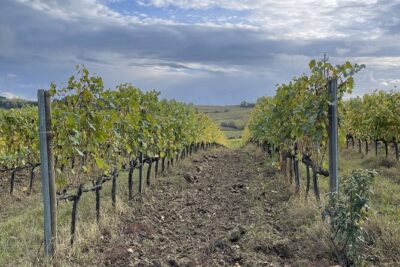
San Gimignano: Vineyard and Cellar Tour with Wine Tasting
Our review →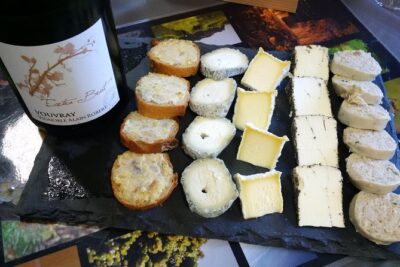
Tour of a Vineyard, Winery & Cellar with Wine Tasting in Vouvray, Loire Valley
Our review →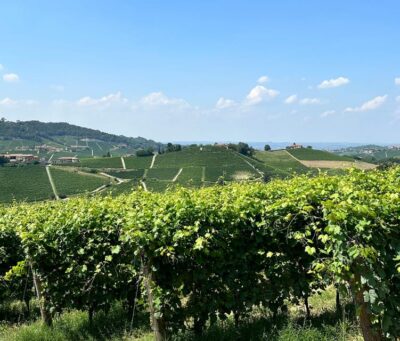
Monforte d’Alba: Barolo Tasting, Vineyard & Cellar Visit
Our review →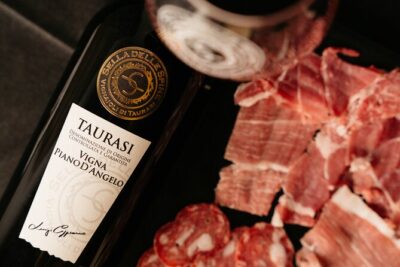
Sella delle Spine Taurasi: Tasting, Vineyard and Cellar Tour
Our review →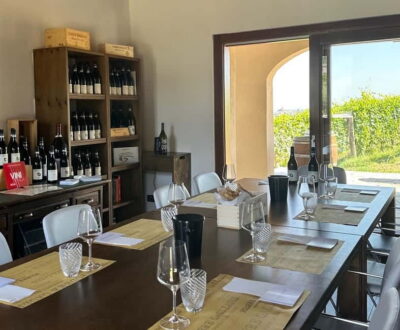
Monforte d’Alba: Wine Tasting, Cellar Visit, and Vineyard Tour
Our review →Every list this estate visit appears in