
REVIEW · JAPAN
Osaka Winery Tour with Wine Tasting & Vineyard Walk
Osaka has a quieter wine story. About 40 minutes by train from the city, Katashimo Winery offers a compact introduction to Japanese wine, local history, and an older side of Osaka that most visitors miss. Founded in 1914, it is described as the oldest winery in western Japan.
I like the combination of three carefully chosen wines and a walk through streets lined with Edo-period buildings. I also like the human scale: a local guide explains the winery, the neighborhood, and Japanese wine culture in English or Japanese. The main consideration is the short two-hour format. You get a focused taste of the area, not a long vineyard day or a full meal.
Key reasons to consider this Osaka wine tour
- A 1914 winery with a 100-year-old aging cellar: The cellar is a designated cultural heritage site and gives the tasting a real sense of place.
- Three Japanese wines, including G20-selected bottles: You taste local wines with small bites rather than simply touring a shop.
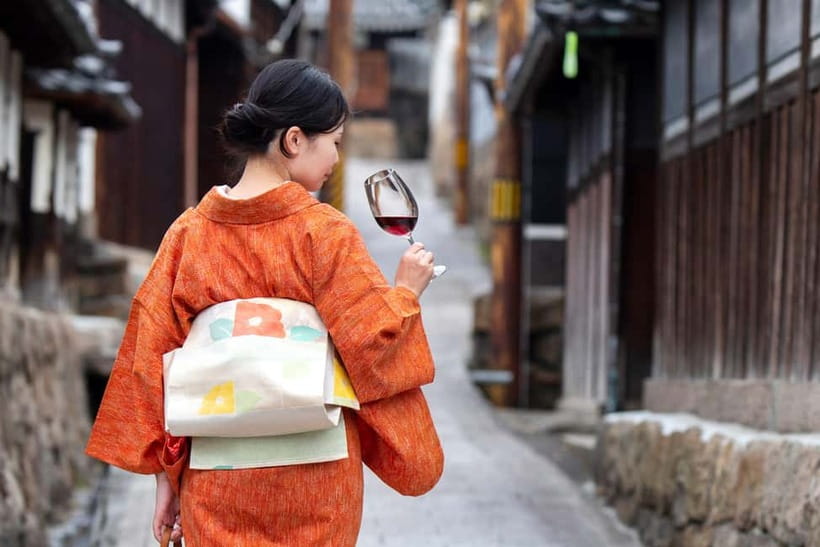
- A walk through older Osaka: Edo-period wooden buildings, nostalgic streets, and a 1,000-year-old camphor tree add more than wine to the outing.
- A local guide in English or Japanese: The guide connects the bottles to the town, the winery, and Japanese culture.
- A simple half-day escape: The winery is about 40 minutes from Osaka City by train, making this easy to fit into a larger trip.
- Strong value for wine and culture fans: At $83 per person, the price covers the guide, museum entry, three tastings, and small bites.
Katashimo Winery, Osaka’s old wine address
Many visitors come to Osaka for neon signs, crowded shopping streets, and food stalls. This tour takes you in another direction. Katashimo Winery is close enough for an easy outing, yet the setting offers a slower look at the region.
The winery was founded in 1914, giving it more than a century of connection to Japanese winemaking. Japan is better known abroad for sake than for wine, so this visit helps correct that narrow view. You get to see how a local producer fits into the country’s food and drink culture.
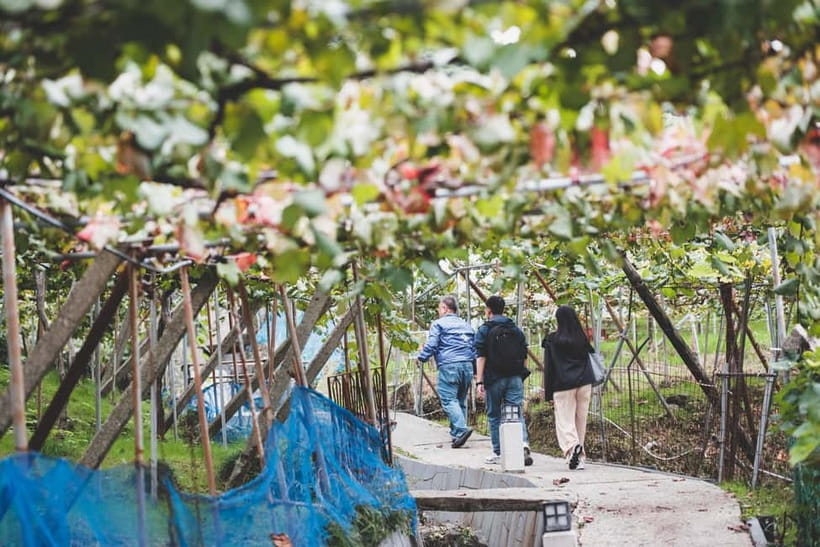
The tour begins at the Katashimo winery sales shop, where you meet in front of the winery. From there, the experience combines time at the winery with a guided walk around the surrounding town. The route returns to the same location at the end, which keeps the plan easy to follow.
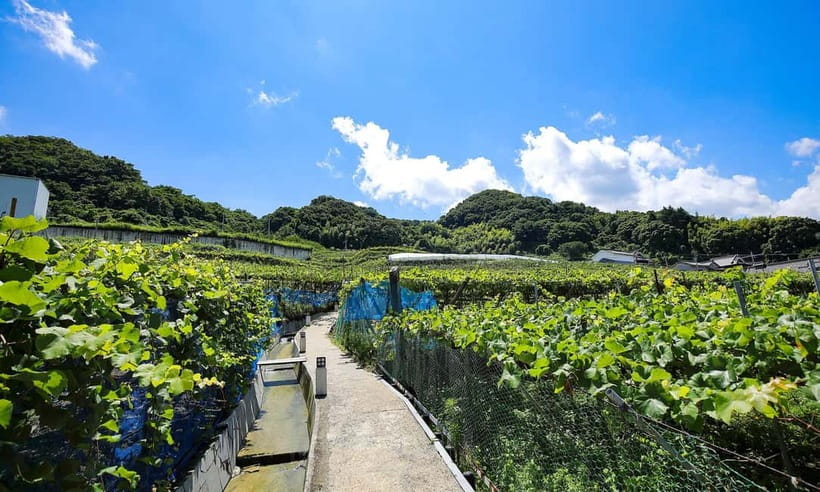
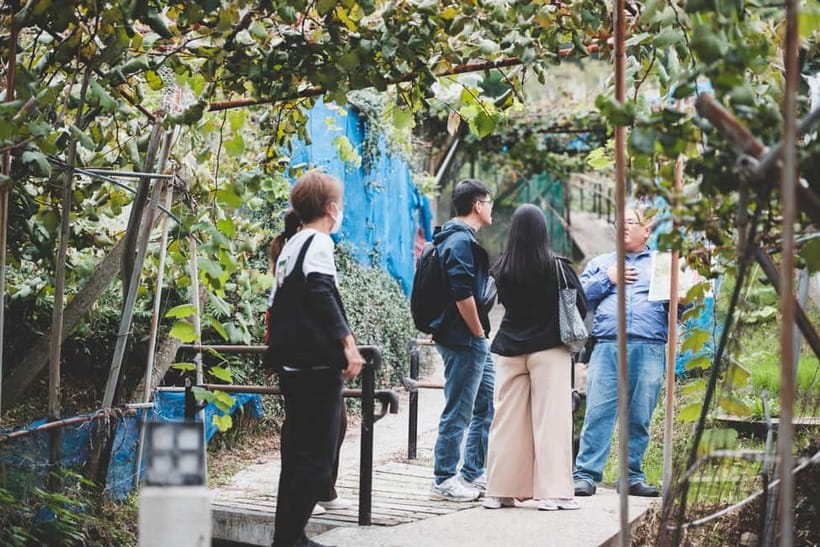
I like this arrangement because the winery is not treated as an isolated attraction. The town matters. The streets, old buildings, shrine visit mentioned in the tour experience, and mature camphor tree help explain the place where the wine is made.
More winery tours around the world:
- Saint-Émilion: Grand Cru Classé Winery Visit and Tasting
★ 4.6 · 1,118 reviews - Montserrat Full Day Tour with Farmhouse Lunch and Winery Visit
★ 5.0 · 1,068 reviews - Montserrat & Winery Visit Tour with Traditional Farmhouse Lunch
★ 4.5 · 1,035 reviews
Inside the 100-year-old aging cellar
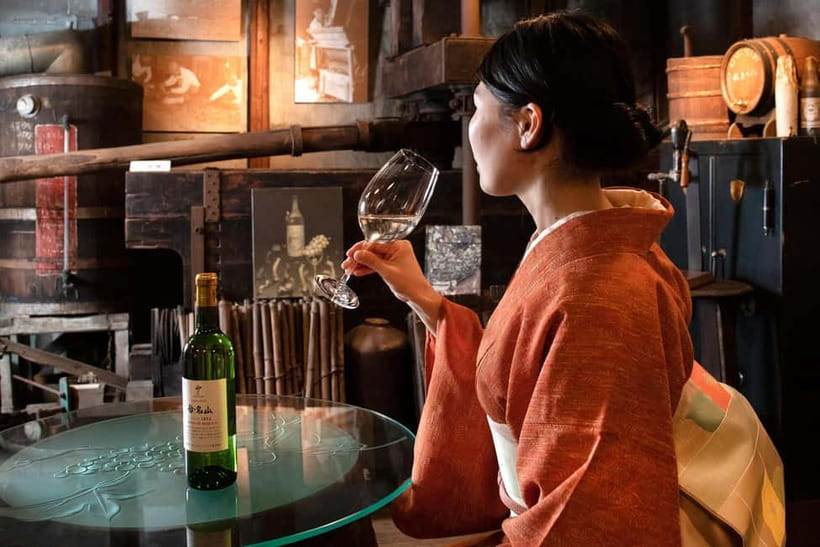
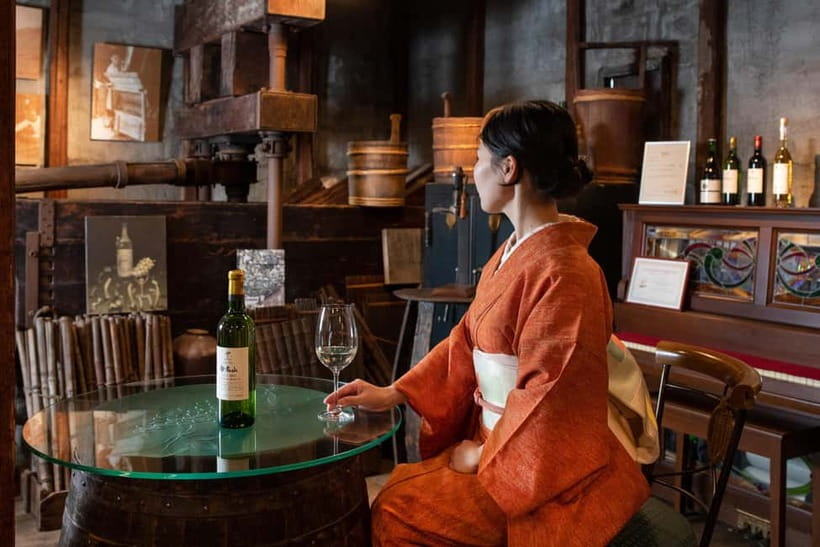
The winery portion begins at the bar and continues into a historic aging cellar. This cellar is about 100 years old and has been designated as a cultural heritage site. That detail gives the visit more weight than a basic tasting counter.
You can expect the guide to explain how wine has been stored and aged there, along with the story of the winery itself. The cellar is the kind of place where age is visible in the surroundings, not just printed on a label. It connects today’s bottles with several generations of local production.
The setting also gives you useful context before tasting. Japanese wine can seem unfamiliar if you only encounter it in a glass. Seeing the winery and cellar first helps you think about climate, local production, and the decisions involved in making boutique wine in Japan.
Do not expect a large industrial estate with rows of facilities and a long technical lecture. The appeal here is the older, more personal side of winemaking. The cellar visit is compact, and the two-hour schedule means the guide must keep moving.
That short format will suit you if you want an introduction rather than a full wine course. If your main goal is extended tasting, detailed vineyard science, or a large selection of bottles, the experience may feel limited.
Three wines with a taste of local food
The tasting includes three different Japanese wines and small bites. The selection includes bottles chosen for the G20 Summit, which gives you a useful point of interest when comparing the wines. It also shows that Japanese wine has a place beyond local curiosity.
The wines are served after the walking and winery explanations, according to the tour description and the experience shared by participants. You can focus on the glasses without rushing off to another stop. Small salty snacks accompany the tasting, but this is not a substitute for lunch.
The practical value is in the comparison. Three wines give you enough variety to notice differences without turning the tasting into a long session. The guide can explain what you are drinking and answer questions about Japanese wine.
One especially useful detail is that the tasting can include juices as well as wine, based on the reported experience of one visitor. That may make the stop more comfortable for people who do not drink alcohol, though the official inclusions specifically promise three Japanese wines. If you need a nonalcoholic option, ask the guide before booking or at the start.
The tasting is likely to be the social center of the tour. One reported participant particularly praised the wines and juices, while another enjoyed finishing the walk with three glasses and snacks. Those details suggest a relaxed close to the outing rather than a formal, high-pressure tasting.
Additional tasting is not included. You should budget extra only if the winery offers more pours for purchase on the day. The supplied details do not specify the price or selection of any additional tasting.
Walking through Edo-period streets
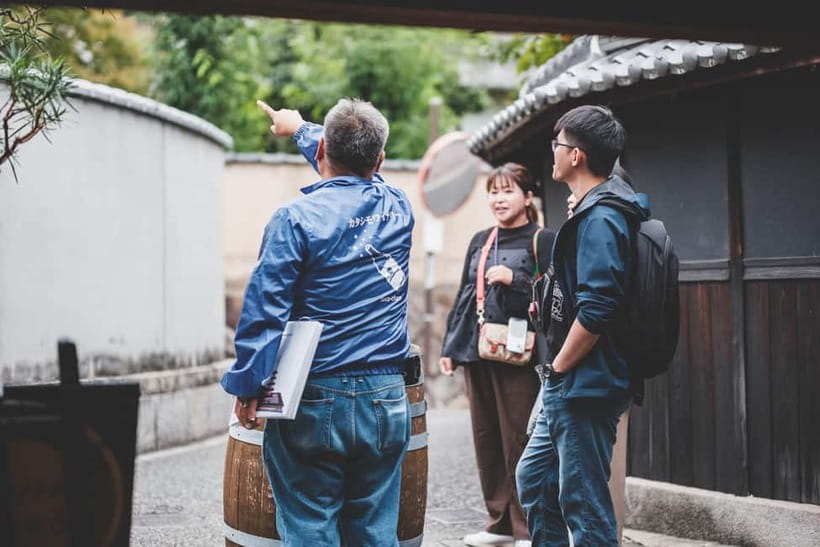
The guided walk gives the tour its cultural edge. You are not simply visiting a winery and returning to Osaka. You also see older wooden buildings and streets that preserve a sense of the town’s past.
The Edo period is generally associated with Japan’s pre-modern era, so these buildings offer a visual contrast to central Osaka’s modern towers and commercial streets. The tour uses that contrast well. You get a look at architecture and daily surroundings that can be easy to miss when you stay in the city center.
The route also includes a 1,000-year-old camphor tree. A tree with that kind of age gives the walk a memorable landmark and a direct link to the area’s long timeline. It is a small detail, but it helps turn the route into a story about place rather than a transfer between tasting stops.
A shrine visit may also be part of the local walk, based on the experience described by one participant. The supplied information does not name the shrine, so you should treat it as part of the cultural route rather than a guaranteed headline attraction.
This is where the guide matters most. A good explanation can help you notice why an old building, tree, or shrine is important. The guide also answers questions about local history and the connection between the neighborhood and the winery. An English-speaking guide received specific praise for clear communication and for answering questions well.
The streets may not deliver dramatic scenery at every step. The reward is quieter: old structures, local landmarks, and a sense of Osaka beyond its famous entertainment districts.
More walks through the vines around the world:
- Toledo Tour & Vineyard Walk with Wine Tasting from Madrid
★ 5.0 · 2,546 reviews - Saint-Émilion: Vineyard Walking Tour and Tasting
★ 5.0 · 404 reviews - Constantia Wine Walk Storytelling Vineyard Tour with Lunch
★ 5.0 · 77 reviews - Lecce: Countryside Vineyard Walk & Wine Tasting
★ 4.8 · 63 reviews
What the two-hour schedule really gives you
The official duration is two hours. One hour is assigned to the winery food and wine tasting, and one hour is used for the guided tour. That split makes the experience easy to fit into a morning or afternoon.
You should arrive at the front of Katashimo Winery, the stated meeting point. Since the tour begins and ends at the winery sales shop, you do not need to manage a complicated route between different attractions once you arrive.
The 40-minute train journey from Osaka City is an important part of the value. It turns the tour into a manageable outing rather than a full-day commitment. You can still plan other activities in Osaka on the same day.
The tradeoff is depth. In two hours, you cannot spend a long time at each historic building, take an extensive vineyard hike, and sample a large range of wines. The title suggests a vineyard walk, and the route does include wine-area walking, but the experience is best understood as a winery visit paired with a neighborhood history walk.
Wear comfortable shoes for the streets. That is a sensible choice for any walking tour, even though the supplied details do not describe the exact distance or terrain. The weather may also affect how enjoyable the outdoor portion feels, so check conditions before setting out.
Is $83 a fair price?
At $83 per person, this is not the cheapest way to get a glass of Japanese wine. The price makes more sense when you count the full package: a professional guide, three wines, small bites, wine museum tickets, the historic cellar, and the guided neighborhood walk.
You are paying for access and interpretation as much as for the drinks. Without the guide, you could perhaps find the winery shop, but you would miss much of the story linking the cellar, streets, buildings, tree, shrine, and local wine.
The G20-selected wines also give the tasting a clear talking point. You are not promised a vast menu, but the three-bottle format offers a focused sample of Katashimo’s production.
The value is strongest for someone who wants several interests handled at once: wine, architecture, local history, and a short trip outside central Osaka. It is weaker if you only want a quick drink or a full meal.
The high rating of 4.9 from 12 reviews supports the idea that the tour delivers a polished, satisfying experience. The sample feedback repeatedly praises the guide, the explanations, the winery, and the chance to learn about local history. That praise is most useful for people who value interpretation, not just the number of pours.
Who will enjoy this most?
I would recommend the tour to wine drinkers who want to see a less expected part of Japan. It is also a good fit for visitors who have already spent time around Namba and Dotonbori and want a calmer change of pace.
Culture-focused visitors should find plenty to notice. The Edo-period buildings, camphor tree, shrine, and winery cellar create a compact lesson in local history. You do not need to be a wine expert to enjoy it.
The tour may suit couples, solo visitors, and small groups looking for a structured outing. The available languages are English and Japanese, which makes it practical for international visitors who want more than a self-guided walk.
Families and nondrinkers should check the tasting arrangements before booking. Small bites are included, and juices were available during one reported experience, but the official package is built around three wines. The details do not specify children’s pricing or a separate family program.
Serious wine collectors may want more information before committing. The tour includes three wines and additional tasting is not included. If your priority is rare vintages, technical vineyard detail, or a large number of producers, this compact introduction may not be enough.
Booking details worth knowing
You can cancel up to 24 hours before the activity for a full refund. You can also reserve now and pay later, which helps if your Osaka schedule is still shifting.
The tour has live guidance in English or Japanese. Starting times vary, so check availability for the date you want. The meeting point is in front of Katashimo Winery, and the outing returns there after the walk and tasting.
The experience is supplied by Goen Japan. Because the guide is central to the value, selecting your preferred language when booking is important. The available data does not provide the group size, exact train route, or accessibility information, so contact the provider if any of those details affect your plans.
Should you book the Katashimo Winery tour?
Book it if you want a short, well-rounded introduction to Japanese wine with local history built in. The 1914 winery, heritage cellar, three wines, old streets, and English-language guiding create more substance than a simple tasting.
Skip it if you want a long vineyard excursion, a full lunch, or an extensive wine list. Two hours goes quickly, and the tasting is limited to three included wines.
For most visitors, the best reason to book is the balance. You leave central Osaka for a nearby town, walk past old buildings and a very old camphor tree, hear the story of a century-old winery, and taste local bottles selected for an important international summit. At $83, that is a fair price for a focused cultural outing with a glass in hand.
FAQ
Where does the Osaka winery tour begin?
The meeting point is in front of Katashimo Winery, at the Katashimo Winery sales shop.
How long does the experience last?
The tour lasts two hours.
How far is Katashimo Winery from Osaka City?
The winery is about 40 minutes from Osaka City by train.
What wines are included?
You taste three different kinds of Japanese wine. The selection includes wines chosen for the G20 Summit.
Are snacks included?
Yes. Small bites with the wine are included.
Is a guide included?
Yes. A professional live guide is included.
What languages are available?
The tour is available with live guidance in English or Japanese.
Is the wine museum entry included?
Yes. Wine museum tickets are included.
Can I order additional tastings?
Additional tasting is not included in the tour price.
Can I cancel the booking?
You can cancel up to 24 hours in advance for a full refund. You can also reserve now and pay later.
Just added around the world
- Wuerzburg: Vineyard rally with wine tasting and group dynamics★ 4.8 · 6 reviews
- Winery Visit & Tasting near Grosseto with 6 wines★ 4.8 · 6 reviews
- Yolo: Vineyards, Farms & Cultural Gems – Audio Driving Tour★ 4.3 · 5 reviews
- Xalo: Vineyard Tour with Wine Tasting and Snacks★ 4.9 · 8 reviews
- Woodinville Wine Country: Downtown Wine Tasting Pass★ 4.4 · 2 reviews
- Winery Visit and Tasting in Elche with wines and tapas from Alicante in Van★ 5.0 · 9 reviews
- Winery Visit & Tasting on the Volcanic Slopes near Catania★ 5.0 · 2 reviews
- Winery, Tastings & 4×4 Vineyards: Half-Day Trip from Lisbon★ 5.0 · 4 reviews
Winery Tours, compared.
Saint-Émilion: Grand Cru Classé Winery Visit and Tasting
Our review →
Montserrat Full Day Tour with Farmhouse Lunch and Winery Visit
Our review →Montserrat & Winery Visit Tour with Traditional Farmhouse Lunch
Our review →
Saint Emilion Half-Day Trip with Wine Tasting & Winery Visit from Bordeaux
Our review →
Chianti Delights: A Tale Of Two Wineries With A Vineyard Dinner
Our review →
Saint-Emilion: Grand Cru Classé Guided Winery Visit & Picnic
Our review →
Douro Valley for Wine Lovers with Visit to 4 Wineries and Lunch
Our review →Every list this estate visit appears in