
REVIEW · FRANCE
Walk in the vineyards of Chablis Grands Crus
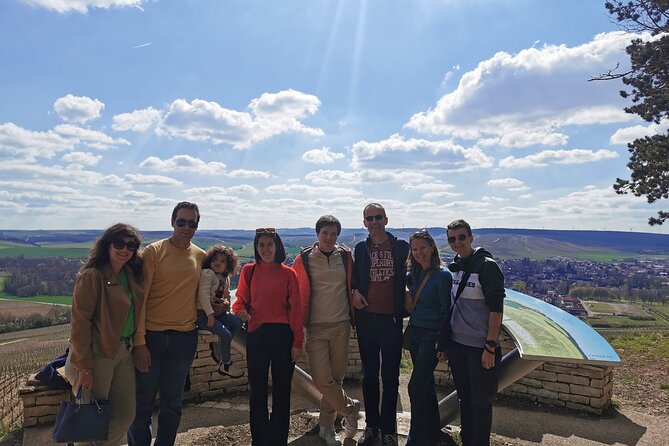
Chablis tastes better after a vineyard walk. This two-hour experience takes you into the Chablis Grand Cru area, where you learn how growers work the vines, how soils affect the wine, and how the region’s four Chablis ranks differ. I like the small-group feel, with no more than 20 people, and I like that the walk ends with a generous tasting of Chablis and Burgundy wines at Domaine Céline & Frédéric Gueguen. The main caution is the terrain: parts are rough, and the final climb can be steep.
The tasting is a real part of the experience, not a quick sample before you are sent on your way. You may taste several wines from the estate, although Grand Cru pours are not always included and can cost an extra €5 for two Grand Cru wines, depending on stock. Wear sturdy shoes, watch the weather, and expect a walk that feels more like countryside exploration than a polished cellar tour.
Key points to know before you book
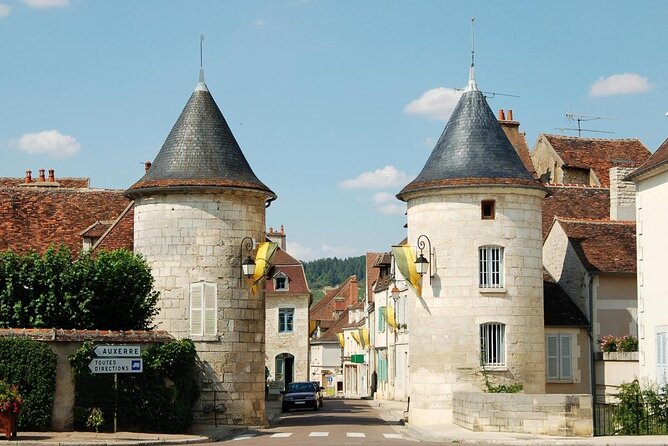
- Grand Cru setting: The walk visits the Chablis Grand Cru area, including the famous Les Clos sector.
- Wine education outdoors: You learn about cultivation, soil types, terroir, and the work of the winegrower while seeing the vines in place.
- Generous cellar tasting: The tasting includes a wide selection of Chablis and Burgundy wines, with Grand Cru wines sometimes available for a small supplement.
- Small groups: The maximum group size is 20, and one recorded walk had only four people.
- Bring sturdy footwear: The route can be rough, with a fairly steep climb near the end.
- Weather matters: Rain can change the walk into a car-based visit of the left and right bank growing areas, while strong heat can make the vineyard route tiring.
Starting at Rue Jules Rathier in Chablis
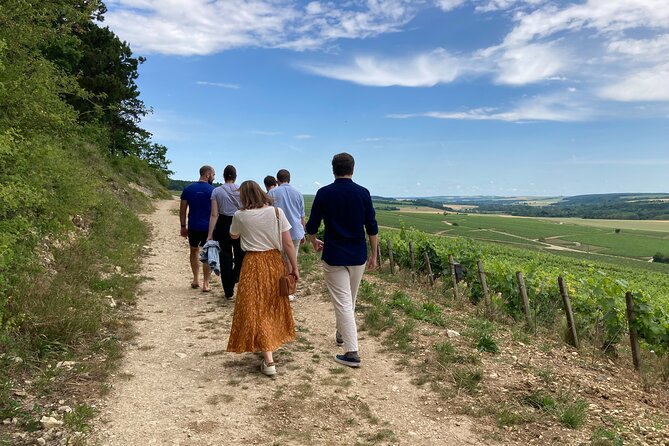
The experience begins at 5 Bis Rue Jules Rathier in Chablis and finishes at the same place. That simple arrangement is useful if you are spending time in town, since you do not need to organize a separate ride back from the vines.
The activity lasts about two hours. That is enough time to see the vineyard area and sit down for a proper tasting, but it is not a full-day wine course. I would treat it as a focused introduction to Chablis rather than a complete study of Burgundy wine.
The group can include up to 20 people, though the atmosphere may be more personal when numbers are low. A small group of four made it easier for the guide to explain the different designated climats and answer questions while walking. With a larger group, you may need to stay close and speak up if you want more individual attention.
The tour is offered in English, which makes it a useful choice for English-speaking visitors who want more than a tasting-room explanation. The guide may also bring a local, personal touch. Frédérique has been praised for a friendly manner and good humor, both of which help when the subject turns technical.
More walks through the vines around France:
- Saint-Émilion: Vineyard Walking Tour and Tasting
★ 5.0 · 404 reviews - Gourmet walk in the heart of the vineyards with Champagne tasting near Epernay
★ 5.0 · 45 reviews - Champagne tasting, panoramic walk in the vineyards
★ 5.0 · 42 reviews
Seeing the Chablis Grand Cru vines up close
The walk’s strongest feature is its setting. Instead of discussing Chablis only over a glass, you see the vines and the slopes that help shape the wine. The guide explains the winegrower’s work, the types of cultivation, and the differences among the four Chablis ranks.
That matters because Chablis can look simple on a wine list. You may see Petit Chablis, Chablis, Chablis Premier Cru, and Chablis Grand Cru, then wonder what the labels really mean. The walk gives those categories a physical setting. You begin to connect the names with position, soil, exposure, and the quality levels used in the appellation system.
The visit includes views of the Grand Cru area, with Les Clos specifically highlighted. You may also see the left and right bank growing regions, which helps explain why Chablis is not one uniform patch of vines. From different viewpoints, the pattern of the vineyards becomes easier to understand than it is on a map or relief model.
I especially like this approach for first-time Chablis visitors. A tasting can tell you that two wines differ, but standing among the vines gives you a clearer sense of why growers care so much about individual sites. You are not simply memorizing labels. You are learning to look at the place behind them.
The route is not described as a long hike, but it is not flat or effortless. Rough ground and a steep climb near the end are part of the experience. You should have moderate physical fitness and wear sturdy shoes with good grip. Sandals, smooth city soles, and flimsy shoes would be poor choices.
How weather changes the experience
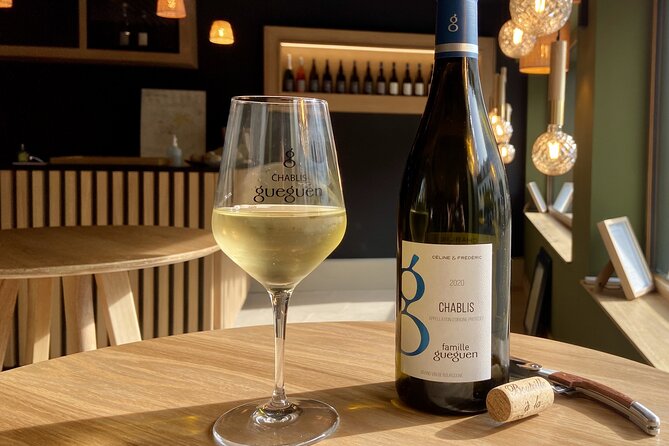
This is an outdoor activity, so the weather can shape the day. On a rainy visit, the walk was interrupted and the group continued by car to see the left and right bank growing areas and enjoy the views. That still provided useful regional context, but it was less satisfying for anyone hoping to spend the full time among the vines.
Poor weather can lead to a change of date or a full refund. That policy is reassuring, but you should still check the forecast before setting out. If the route is important to you, choose a dry day and keep some flexibility in your schedule.
Heat is another factor. A vineyard can offer beautiful open views while giving you little shade. One hot day made the route feel demanding, and a morning walk was suggested as the more comfortable option. I would book an earlier start if temperatures are high, carry water, and avoid assuming that a short walk will feel easy in full sun.
Cloudy weather may actually be ideal. You still get the views, but the climb and exposed sections are easier on the body. A little weather planning can make the difference between a pleasant wine walk and a sweaty march to the tasting room.
The tasting at Domaine Céline & Frédéric Gueguen
After the walk, you return to the cellar for wine tasting. This is where the experience earns much of its price. The tasting has been described as relaxed and informal, with a generous range of wines from the estate.
You can expect to taste Chablis and Burgundy wines, with the selection offering a useful comparison between bottles. The range helps you understand the estate’s style instead of judging it from one glass. It also gives you a chance to revisit the points raised during the walk, especially the differences between sites and appellation levels.
The tasting may include most of the estate’s wines, but you should not assume that a Grand Cru pour is automatically part of the standard price. Grand Cru stock is limited, and two Chablis Grand Cru wines may be available for a €5 supplement. If Grand Cru is the reason you booked, ask about availability before or during the tasting.
That small extra charge is worth knowing in advance. The advertised experience costs $54.07 per person, and the included tasting appears generous, but the most prestigious wines may require the additional payment. This is not a major flaw, as Grand Cru bottles are limited and costly to produce, but it affects the final value for serious wine collectors.
A further version of the tasting has included quality local dishes. Because food is not listed as a guaranteed part of every booking, I would not count on a full food pairing unless the provider confirms it. The safer expectation is a substantial wine tasting, with local food possible in some arrangements.
The setting sounds informal rather than formal or ceremonial. That suits me. You can focus on the wine, ask questions, and compare styles without feeling as though you are sitting through a scripted sales presentation. The estate’s wines have also been praised for reasonable prices, which may appeal if you want to buy a bottle or two after tasting.
A few more vineyard visits around France worth a look
- Saint-Émilion: Grand Cru Classé Winery Visit and Tasting
★ 4.6 · 1,118 reviews - Saint Emilion Half-Day Trip with Wine Tasting & Winery Visit from Bordeaux
★ 4.5 · 1,034 reviews - Saint-Émilion: Bordeaux Vineyard Tour and Wine Tasting
★ 4.8 · 578 reviews - Bordeaux: Vineyards Wine Tasting Half-Day Trip
★ 4.2 · 470 reviews
What the route teaches about Chablis
The educational side is stronger than the short duration might suggest. The guide explains how the vineyards are cultivated and how different soils contribute to the character of the wines. You also get a practical explanation of the four Chablis ranks.
This is valuable because wine terms can become abstract very quickly. Terroir is easier to grasp when you are looking across actual vineyard parcels and hearing how growers distinguish one site from another. The route turns a technical subject into something you can see under your feet.
The relief of the countryside also helps. Seeing the growing regions from several viewpoints gives you a better sense of scale than a tasting-room map alone. You may notice how the vineyards relate to one another and why a wine labeled from one specific climat can command more attention than a broader regional wine.
The visit does not promise a full lesson in pruning, harvest schedules, cellar technology, or vintage variation. If you want a technical masterclass, a longer specialist course would suit you better. For most people, though, this is a well-sized introduction: enough detail to make the tasting more meaningful, without turning a holiday afternoon into a lecture.
Is $54.07 good value?
At $54.07 per person, the cost is reasonable if you value both the vineyard walk and the tasting. You are paying for roughly two hours, an English-speaking guide, access to the Grand Cru area, and a broad tasting at the estate. The combination is more useful than paying separately for a short cellar sample with no explanation of the vineyards.
The value improves when the group is small. Four people can ask questions freely and move at the guide’s pace. A full group of 20 may feel less personal, although the maximum is still moderate for a popular wine activity.
The price is less compelling if you want only to drink Grand Cru wine. Since those pours may require an additional €5 and depend on stock, serious Grand Cru hunters should confirm the selection first. You are mainly buying context, access to the vines, and a wide introduction to the estate’s wines.
I would also factor in the weather. A rainy day may replace much of the walk with a car visit, which can still show you the regional layout but changes the experience. The weather cancellation policy reduces the financial risk, and cancellation is free up to 24 hours before the start time.
Who will enjoy this wine walk most?
I recommend it to anyone visiting Chablis who wants to understand the region instead of simply stopping for a bottle. It suits curious wine drinkers, couples, and small groups who like walking at a moderate pace and asking questions.
It can also work for parents who want a vineyard outing while older children accompany them. Only people over 18 may consume alcohol, so younger members of a family can join the walk but cannot take part in the wine tasting. The activity is not presented as a children’s tour, so adults should decide if the wine-focused format will hold their family’s attention.
You should think twice if you have difficulty with uneven ground or steep climbs. The tour requires moderate fitness, and the route may feel harder in hot sun. Service animals are allowed, which is useful for eligible visitors, but the rough terrain could still require planning.
Wine beginners are welcome. You do not need a technical vocabulary to get value from the walk. In fact, the visit may be most useful if labels, ranks, and vineyard names currently seem confusing. Experienced wine drinkers will appreciate the chance to compare sites and ask more detailed questions.
Practical tips for a better visit
Wear sturdy walking shoes. This is the most important advice from the experience itself, since the route includes rough ground and a steep section.
Choose a cool or cloudy day if possible. In hot weather, a morning visit should be more comfortable than an afternoon walk through exposed vineyards.
Keep your schedule flexible in case rain changes the route. The activity requires good weather, and poor conditions may lead to a different date, a refund, or a car-based look at the growing areas.
Ask about Grand Cru availability if that matters to you. The standard tasting may not include it, and a €5 supplement can apply for two Grand Cru wines.
Plan for the full two hours. The tasting is a meaningful part of the visit, not an optional afterthought, so rushing away after the walk would miss much of what makes the experience worthwhile.
Confirmation is sent within 48 hours of booking, subject to availability. Since the experience is booked an average of 31 days ahead, I would reserve early if your Chablis dates are fixed.
Should you book the Chablis Grand Cru vineyard walk?
Book it if you want a clear, friendly introduction to Chablis that connects the vines with the wine in your glass. The Grand Cru setting, practical explanations, relaxed cellar tasting, and possible access to a broad range of estate wines make this a strong choice for a half-day-sized activity.
I would skip it only if you want a flat stroll, guaranteed Grand Cru pours, or a long technical wine seminar. For everyone else, the best plan is simple: book for a cool, dry morning, wear proper shoes, and treat the tasting as half the experience. That is when the $54.07 price makes the most sense.
FAQ
Where does the Chablis vineyard walk begin?
It begins at 5 Bis Rue Jules Rathier, 89800 Chablis, France.
Where does the experience end?
The activity ends back at the original meeting point.
How long does the experience last?
The experience lasts approximately two hours.
Is the tour offered in English?
Yes, the activity is offered in English.
How many people can join the tour?
The maximum group size is 20 people.
Is the walk physically demanding?
You should have a moderate level of physical fitness. The route can include rough ground and a fairly steep climb near the end.
Are Grand Cru wines included in the tasting?
Grand Cru wines are not always included in the standard tasting. If available, two Chablis Grand Cru wines may be tasted for an additional €5.
Can children join the experience?
The provided information says that only people over 18 may consume alcoholic beverages. It also describes the activity as suitable for parents who want to walk through the vineyards with children, but it does not specify a minimum age for joining.
What happens if the weather is poor?
The experience requires good weather. If it is canceled because of poor conditions, you will be offered a different date or a full refund.
Can I cancel for a full refund?
Yes. You can cancel at least 24 hours before the start time for a full refund. Cancellations or changes made less than 24 hours before the start time are not accepted for a refund.
Just added around France
- Vineyard of the Alpilles by bike★ 4.6 · 8 reviews
- Vosne-Romanée: Private Vineyards Walking Tour with Tasting★ 4.4 · 9 reviews
- Vineyard tour and wine tasting in Davron★ 4.5 · 7 reviews
- Private Vineyard Tour and Wine Tasting in Bandol★ 5.0 · 16 reviews
- Vineyard visit in Gyropode, visit of Cave & Tasting Wines of Bandol★ 5.0 · 19 reviews
- Bike ride on the Wine Route from Sélestat★ 5.0 · 5 reviews
- Horse riding in the vineyards of Grimaud + wine tasting★ 5.0 · 3 reviews
- 1/2 day private Vintage tour, vineyards of Saint-Tropez★ 5.0 · 6 reviews
Walking Tours, compared.
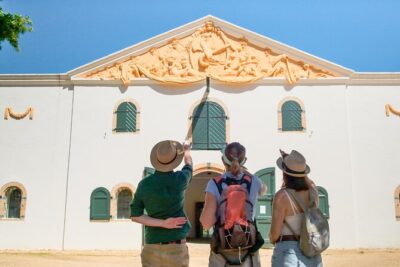
Constantia Wine Walk Storytelling Vineyard Tour with Lunch
Our review →
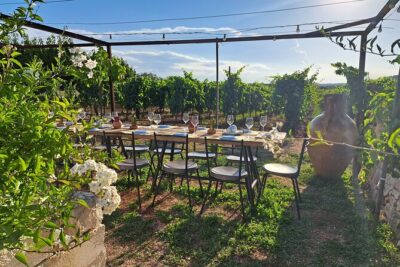
Etna Urban Winery – Sunset vineyard Walk and Tasting Dinner
Our review →
Etna Urban Winery, Vineyard Walk & Sunset Tasting Dinner
Our review →
Gourmet walk in the heart of the vineyards with Champagne tasting near Epernay
Our review →Every list this estate visit appears in