
REVIEW · ITALY
Monforte d’Alba: Barolo Tasting, Vineyard & Cellar Visit
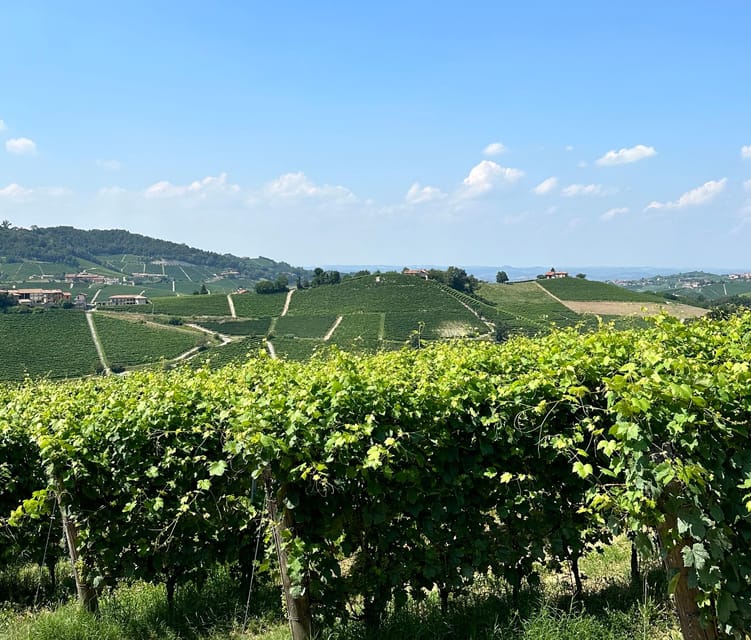
Barolo rewards patient tasting. At Podere Gagliassi in Monforte d’Alba, you get a close look at how this famous Piedmont wine begins in the vineyard, develops in the cellar, and changes from one vintage to the next. The two-hour visit includes a guided walk through the vineyards and a tasting of Barolo from 2018, 2019, and 2020.
I especially like the direct connection between place and wine here. You see the winery’s approximately 19 hectares of vines, then visit the underground cellar before tasting the results. I also like the small group limit of 10 people, which should make it easier to hear the guide and ask sensible questions. The main consideration is that transportation is not included, so you must arrange your own way to Località S. Anna, 84.
The experience has earned a strong 4.7 rating from 48 bookings. The most praised points are the warm welcome, striking views, thoughtful explanations, and high quality of the wines. One Italian guest called the visit fascinating and insightful, while a Swiss visitor singled out the wonderful view. That gives you a good sense of the tour’s character: friendly, scenic, and serious about Barolo without being stiff.
Key things to know before visiting
- Three Barolo vintages are tasted side by side: The 2018, 2019, and 2020 wines let you notice how age and vintage conditions affect the same type of wine.
- The tour takes place at an organic winery: Podere Gagliassi manages about 19 hectares in the Langhe, giving the vineyard visit real scale.
- The cellar is underground and historic: You see where traditional methods meet newer winemaking practices.
- The group is limited to 10 people: This is a better setup for questions than a large coach-style tasting.
- The full visit lasts two hours: It is substantial enough to include a walk, cellar tour, tasting, and time for wine shopping without taking over your day.
- Grissini are included: These crisp Piedmont breadsticks give you something simple to nibble with the wine.
Arriving at Podere Gagliassi in Monforte d’Alba
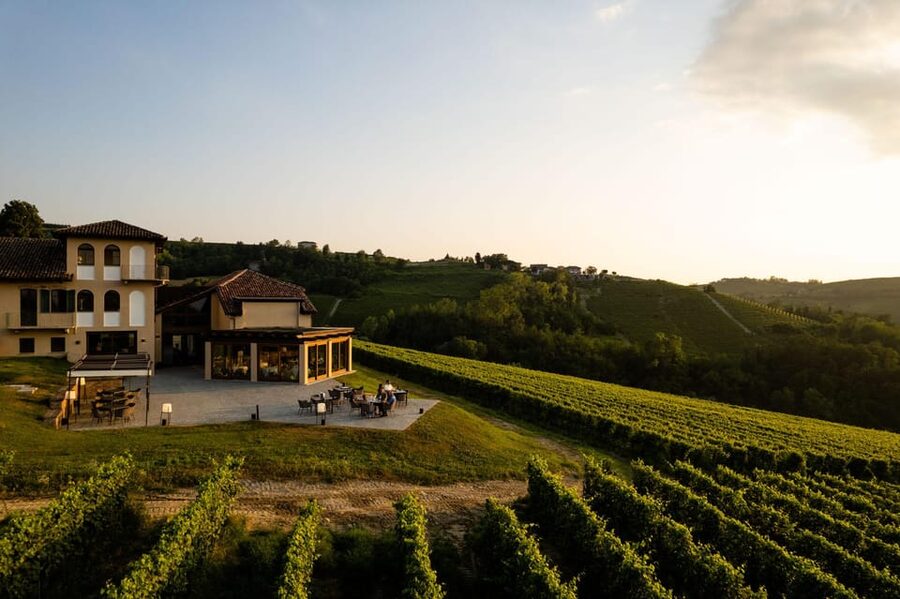
The meeting point is Località S. Anna, 84. Look for Podere Gagliassi on the right, as you arrive at the winery. Since transportation is not part of the visit, plan your route before setting out, especially if you are staying in another Langhe village.
This is a rural winery visit, not a city attraction with an easy central meeting point. That is part of the appeal, since you arrive directly at the source of the wine, but it also means you should not assume that a taxi or transfer will appear at the last minute. The supplied information does not give driving directions, parking details, or public transport guidance, so check those points before booking.
Wear comfortable walking shoes. The vineyard portion lasts about 30 minutes and includes walking, a guided explanation, scenic views, and time for photographs. You do not need specialist hiking gear, but ordinary city shoes may be less pleasant on uneven outdoor ground.
The tour is offered in Italian and English. A live guide leads the visit, which is useful when the subject moves beyond basic tasting terms and into soil, vineyard work, aging, and winemaking choices.
More wine cellar visits around Italy:
- Abellonio Cascina Piccaluga – visit to the vineyards, to the wine tasting cellar
★ 5.0 · 237 reviews - Prosecco tasting, appetizers and tour of the cellar and vineyards
★ 5.0 · 178 reviews - Riomaggiore: Vineyard & Wine Cellar Tour with Wine Tasting
★ 4.7 · 100 reviews
Thirty minutes among the Langhe vines
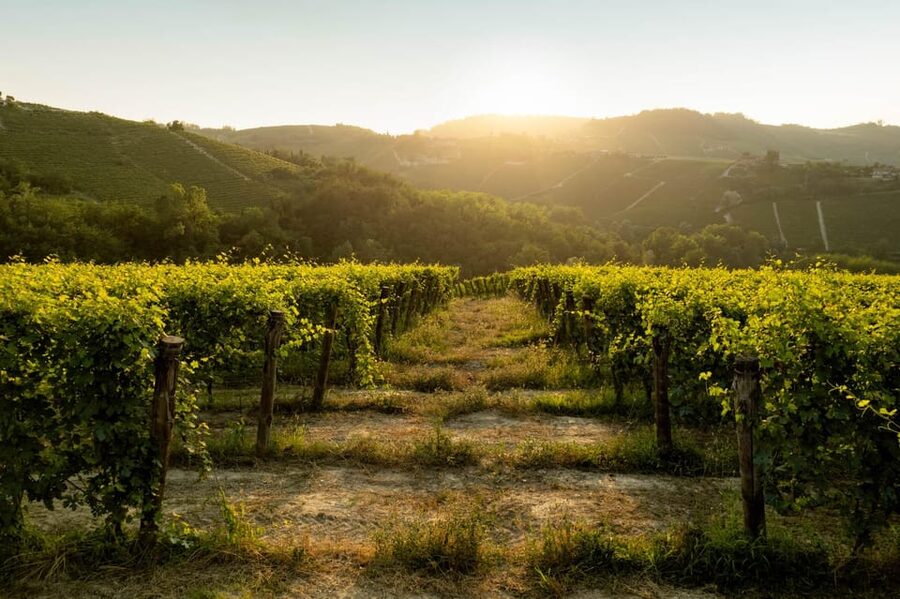
The visit begins outdoors, among the winery’s roughly 19 hectares of vineyards. That size matters. You are not simply looking at a few decorative rows beside a tasting room. You get a sense of the working scale behind the bottles.
The guide explains the local terroir, the combination of soil, site, climate, and vineyard conditions that gives Langhe wines their character. For you, this makes the later tasting more meaningful. Instead of hearing only that a Barolo is special, you begin to connect the wine with the ground and growing conditions where its grapes develop.
The vineyard walk also gives the tour a welcome change of pace. You start with open views and fresh air, then move indoors to the cellar. The route includes scenic stops, so bring a camera if you want photographs of the hills and vines.
I would treat this as a short educational walk rather than a long vineyard hike. Thirty minutes is enough to understand the setting, but not enough for an exhaustive study of every vineyard practice. That is a fair trade for a two-hour program, especially if you have other villages or wineries on your schedule.
The organic approach is another useful part of the story. Podere Gagliassi is described as an organic winery, so you can ask the guide how that approach affects work among the vines and the finished wines. The available information does not spell out its exact farming methods, so the tour is your chance to hear the details directly rather than guessing.
Inside the underground cellar
After the vineyard, you visit the historic underground cellar. This is where the tour shifts from growing grapes to turning them into Barolo.
The cellar visit lasts about 30 minutes and includes a guided tour. You may also have time to look around on your own, since the schedule allows for both guided and self-guided viewing. The useful point here is the link between tradition and innovation. Podere Gagliassi presents its winemaking as a blend of older cellar practice and newer methods, rather than choosing one side over the other.
For a first-time Barolo visitor, this part can be more valuable than simply looking at barrels. It gives you a framework for understanding why Barolo needs time and why cellar decisions affect the wine you eventually taste. You will be better prepared for the final comparison once you have seen where the wine is made and aged.
The cellar is also a good place to ask practical questions. You might ask how long the different vintages spend aging, how the winery decides when a wine is ready, or how organic vineyard work connects with cellar decisions. The supplied details do not answer those questions, so do not hesitate to use the live guide while you are there.
The cellar visit is not described as a technical production workshop, and it should not be mistaken for one. You receive a clear introduction to the winery’s methods, but the main event is still the tasting that follows.
Comparing Barolo from 2018, 2019, and 2020
The final 45 minutes are devoted to wine tasting and local snacks. The key feature is a vertical tasting of Barolo from the 2018, 2019, and 2020 vintages.
A vertical tasting means you compare the same wine across different years. This is a smart format for learning because it removes some distractions. Rather than comparing several unrelated wines, you focus on how time and vintage differences shape one Barolo.
The three vintages also give you a useful spread of age. The 2018 wine has had longer to develop than the 2019, while the 2020 has had less time in bottle. The experience is designed to show how aging changes the wine, though the exact tasting notes are not provided in advance. Your guide can explain the differences as you taste.
Pay attention to how the aroma, structure, texture, and finish shift from glass to glass. You do not need to identify every scent correctly. A good tasting is less about passing an exam and more about noticing what changes, then asking why.
The comparison should suit both experienced wine drinkers and curious beginners. If you already know Barolo, the three-vintage format gives you a focused way to study Podere Gagliassi’s style. If you are new to the wine, the guide’s explanations can help you understand why a bottle from one year may feel different from another.
Grissini are included as the snack. These crisp breadsticks are a fitting local touch, but they are not a meal. The activity specifically excludes meals, so eat beforehand if you expect to be hungry after walking and tasting. You should also avoid treating the tasting as lunch. It is a wine-focused finish with a small accompaniment.
A few more vineyard visits around Italy worth a look
- Half day Chianti Vineyard Escape from Florence with Wine Tastings
★ 4.5 · 2,196 reviews - Private Self-Guided E-Bike Ride in Tuscany with Vineyard Visit
★ 5.0 · 775 reviews - Florence: Chianti Wine Region Vespa or Fiat Topolino Tour
★ 4.8 · 739 reviews - From Venice: Prosecco Wine Region Tour with 2 Tastings
★ 5.0 · 374 reviews
What the 2018 to 2020 comparison teaches you
The best reason to choose this visit is the chance to taste across time. A single glass can tell you whether you like a wine, but three vintages can show you how wine develops and why vintage matters.
The format also encourages slower drinking. You have a reason to return to each glass, compare it with the others, and notice how your impression changes. That is more instructive than rushing through a long list of unrelated pours.
The exact order of the tasting and the quantity poured are not specified. If you are concerned about alcohol, ask the guide about the tasting format when you arrive. The visit is only two hours, and the focus is on comparison rather than a full meal or extended drinking session.
The strongest praise connected with this experience concerns wine quality. That makes sense given the structure of the visit: the vineyard explains the source, the cellar explains the process, and the vertical tasting lets you judge the result.
Is two hours enough?
For this particular program, yes. The schedule gives about 30 minutes to the vineyard, 30 minutes to the winery and cellar, 45 minutes to tasting, and 10 minutes for wine and shopping. The remaining time allows for moving between parts of the visit and keeping the pace comfortable.
You will not get a full day of vineyard work or an exhaustive tour of every stage of production. Instead, you receive a compact introduction with a clear beginning, middle, and finish. That makes it easy to fit into a day exploring Monforte d’Alba and the wider Langhe.
The small group limit helps the timing. With no more than 10 participants, the guide can keep the visit moving while still leaving room for questions. The feedback describing the welcome as warm and kind fits the format well. This sounds like a personal winery visit rather than a factory-style presentation.
If you want long lunches, several producers, or a full-day wine route, this activity alone will not fill your schedule. If you want one focused appointment that connects vineyard, cellar, and tasting, the two-hour length is useful.
What you pay for at $35
At $35 per person, the visit offers solid value if you care about understanding Barolo rather than simply drinking it. The price covers a guided vineyard tour, cellar access, a live guide, three Barolo vintages, and grissini. It also gives you access to a small group, which is often more useful than a cheaper but crowded tasting.
The vertical tasting is the main value. Three vintages of Barolo can make the price worthwhile on its own, depending on the serving size and wine selection, but the exact pours are not stated. The vineyard and cellar visits add context that you cannot get from buying a bottle and tasting it alone.
The price does not include transportation or a meal. Those extra costs matter if you are not already in the area or if you plan to visit without a car. Factor them into your day before deciding that the listed price is your total expense.
There is also a practical financial benefit in the flexible booking terms. You can reserve now and pay later, and cancellation is free up to 24 hours before the visit. Those policies are helpful if your Piedmont schedule is still changing, but they should not distract from the central question: do you want a focused Barolo lesson with a three-vintage tasting?
Who will enjoy this winery visit?
I would recommend Podere Gagliassi to wine drinkers who want more than a tasting-room pour. The vineyard walk and cellar visit give you a clearer sense of place, while the 2018, 2019, and 2020 comparison gives the tasting a real purpose.
It also suits couples, small groups of friends, and solo visitors who prefer a quieter format. The 10-person limit should make it easier to follow the guide in either Italian or English and to ask questions without holding up a large crowd.
The experience is accessible to wheelchair users, according to the supplied information. Since the visit includes outdoor walking, you should still confirm any particular mobility needs when booking, as the details do not describe the exact vineyard surfaces or cellar route.
I would be more cautious about recommending it to someone seeking a full meal, extensive cellar access, or transportation from another town. Those are not included. It is also not the best choice if you dislike walking outdoors or have no interest in comparing wine vintages.
Small practical tips for a better visit
Arrive ready to walk. Comfortable shoes will make the vineyard portion easier, and a camera is worthwhile because scenic views are part of the visit.
Use the vineyard section to ask about terroir and organic farming, then save more technical questions about aging and cellar methods for the indoor portion. During the tasting, compare the three wines before deciding which one you prefer.
Do not plan the visit on the assumption that grissini will replace lunch. Have a meal before or after, since food beyond the included snack is not part of the activity.
Finally, leave a little room in your day for wine shopping. The schedule includes about 10 minutes for wine and shopping, so you can buy a bottle if something catches your attention, but it is not a long retail session.
Should you book Podere Gagliassi?
Book it if you want a well-priced, small-group introduction to Barolo that explains the wine from vineyard to cellar to glass. The scenic setting, kind welcome, strong wine quality, and three-vintage tasting are the most persuasive reasons to go.
Skip it if you need transport, a full meal, or a long technical study of winemaking. For most visitors already exploring Monforte d’Alba, though, the two-hour format is easy to fit into the day and offers more substance than a quick tasting. At $35, it is a sensible choice for anyone who wants to understand why Barolo changes with time.
FAQ
Where does the Barolo tasting take place?
The experience takes place at Podere Gagliassi, Località S. Anna, 84, in Monforte d’Alba, Piedmont. The winery is on the right at the meeting point.
How long does the experience last?
The visit lasts two hours. It includes the vineyard tour, cellar visit, Barolo tasting, and time for wine shopping.
Which Barolo vintages are included?
The tasting includes Barolo from the 2018, 2019, and 2020 vintages.
Is transportation included?
No. You are responsible for getting to and from Podere Gagliassi.
Is food included?
Grissini are included as a local snack. A full meal is not included.
What languages are available?
The live tour guide offers the experience in Italian and English.
Is the winery wheelchair accessible?
Yes, the activity is listed as wheelchair accessible.
Can I cancel the booking?
You can cancel up to 24 hours in advance for a full refund. You can also reserve now and pay later.
Just added around Italy
- Winery Visit & Tasting near Grosseto with 6 wines★ 4.8 · 6 reviews
- Winery Visit & Tasting on the Volcanic Slopes near Catania★ 5.0 · 2 reviews
- Wine tour and lunch or dinner at our vineyard★ 4.6 · 15 reviews
- Winery Visit on Parma Hills & Wine Tasting with Food Platter★ 5.0 · 26 reviews
- Wine Tasting and Winery Visit near Asti and Turin★ 4.5 · 5 reviews
- Wine tasting under the Stars in the vineyards of Agrigento★ 5.0 · 3 reviews
- Walk through our vineyard and aperitif★ 4.7 · 19 reviews
- Volterra: Aperivintage aperitif in vineyard whit a Fiat 500★ 5.0 · 7 reviews
Wine Cellar Visits, compared.
Abellonio Cascina Piccaluga – visit to the vineyards, to the wine tasting cellar
Our review →
Prosecco tasting, appetizers and tour of the cellar and vineyards
Our review →
Riomaggiore: Vineyard & Wine Cellar Tour with Wine Tasting
Our review →
San Gimignano: Vineyard and Cellar Tour with Wine Tasting
Our review →
Tour of a Vineyard, Winery & Cellar with Wine Tasting in Vouvray, Loire Valley
Our review →
Sella delle Spine Taurasi: Tasting, Vineyard and Cellar Tour
Our review →
Monforte d’Alba: Wine Tasting, Cellar Visit, and Vineyard Tour
Our review →
Saint-Émilion: 2 hours – Visit of the vineyard, the cellar and tasting
Our review →Every list this estate visit appears in